Things to Do in Yosemite Besides Hiking

While the trails are a major draw for families visiting Yosemite, the area offers many things to do in Yosemite besides hiking. In fact, this vacation destination includes options for everyone, whether you’re a nature lover, fitness buff, or you simply want to relax and enjoy time with your family. 

Staying at Rush CreekEvergreen Lodge, or Firefall Ranch makes any vacation entertaining and enjoyable whether you hit the trails or not. The fabulous selection of accommodations from vintage Yosemite cabins to hillside Yosemite villas, the beautiful scenery, and the wide variety of things to do beyond hiking make either resort the perfect base for an unforgettable vacation.

Though the Yosemite hiking tours are fabulous, if you’re short on time, you have little children in tow, or you’re simply looking for things for non-hikers to enjoy, these activities will keep everyone having fun from day one.

1 | Daily Resort Activities
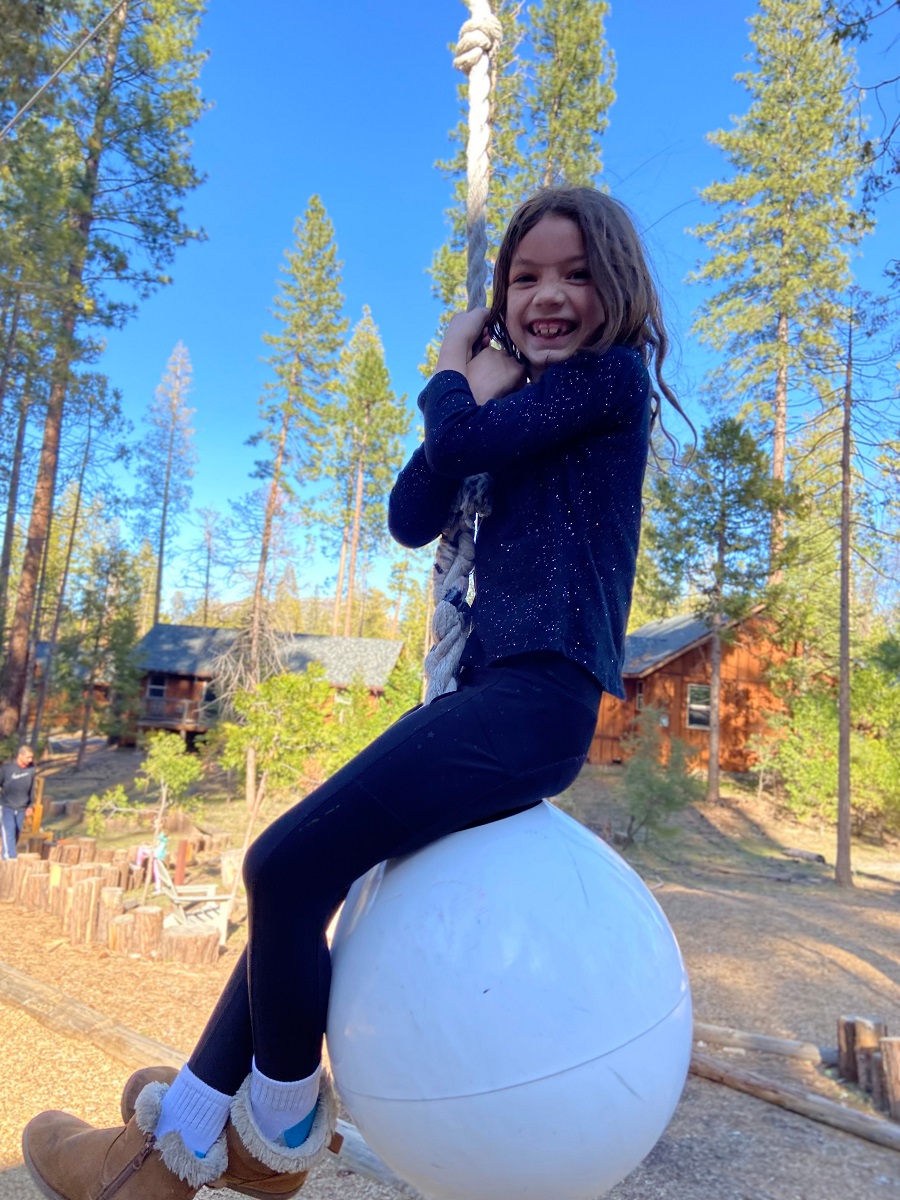
Evergreen Zipline Fun (Jillian M. 9-21-23)

Trade in your morning hike for a daily dose of other fun activities. When you arrive at Evergreen Lodge or Rush Creek you’ll receive a calendar of free and paid things to do for the week of your stay. These all-ages activities include crafts, nature talks, stargazing, family bingo and trivia, s’mores around the outdoor fireplace, and more. Evergreen also has events for adults, such as a Speakeasy Night at the Tavern.

2 |Pool Time
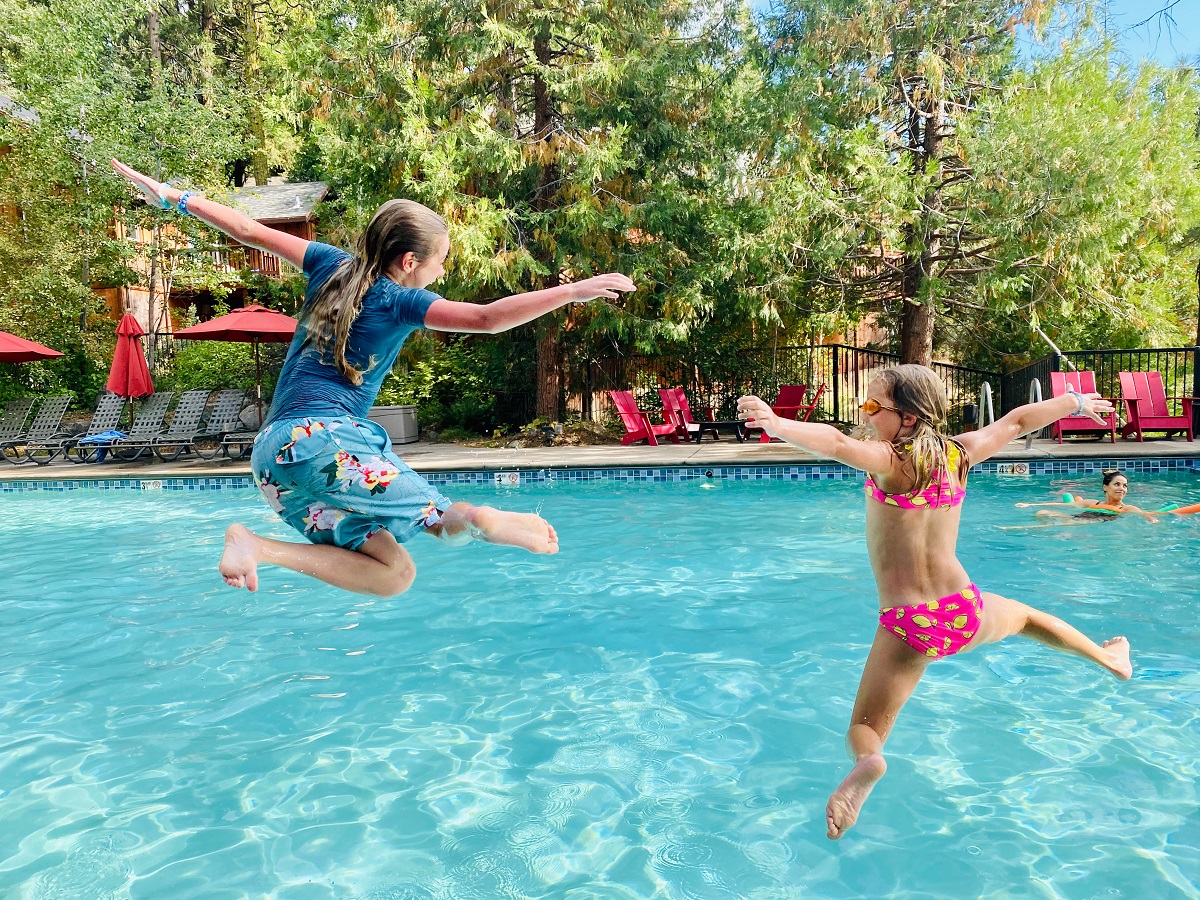
Pool fun in Yosemite.

Besides hiking, hanging at the pool is a favorite thing for families to do. The water amenities at Rush Creek and Evergreen are a treat for everyone. The Evergreen swimming pool is a 2,000-square-foot saltwater pool set in a relaxing forest retreat. Adults love the hot tub and pool bar, and there’s a large shallow area for kids to play. Rush Creek also has a fabulous pool area, complete with a 2,400-square-foot saltwater pool that’s heated and open year-round, a pool bar, family-friendly hot tub, plus a spa just for adults. 

3| Outdoor Games & Activities

Evergreen Lodge offers many other things to do outdoors besides guided hikes. You’ll find activities sprinkled throughout the property, delighting anyone who happens upon them. Explore the grounds to find loads of outdoor fun, including bocce ball, horseshoes, a life-size chess set, and a kids’ zipline! And Rush Creek’s playground isn’t to be missed: The one-of-a-kind nature-oriented playground and play area feature zip lines, a giant rope swing, an explorer’s tunnel, and more.

4 | Non-Hiking Yosemite Tours

Touring Yosemite without hiking? You bet! Rush Creek and Evergreen Lodge offer tours to explore Yosemite in new ways, including horseback riding. These tours can accommodate kids as young as two so the entire family can ride along. Other things to do besides hiking include Yosemite flight tours, aerial explorations of the Sierra Nevada wilderness from the air, and the off-road jeep tours where you can hit the trails in a whole new way with your family.

5| Spa Days

3 - Rush Creek Spa Indoor Amenities-Waterfall Coves (Kim Carroll 9-20_1545) 1200

Relieve stress, relax, and work on your wellness at the on-site spa at Rush Creek or enjoy a therapeutic massage at Evergreen. Both properties offer innovative amenities and natural treatments that will leave you feeling transformed. Get an individual spa treatment or check out the Rush Creek daily use package or the wellness massage treatments at Evergreen Lodge. 

6| Stargazing Tours

Stargazing is a nature-inspired activity you can do without hiking up a mountain top. The naturalist-led stargazing tour at Evergreen affords you a guide, star charts, and a telescope to view the night sky. Learn about constellations and observe planets, star clusters, and galaxies. This experience is available in the spring and fall and costs $35 for adults and $25 for kids 15 and under. 

7| Rent Bikes, Paddleboards & Snowshoes
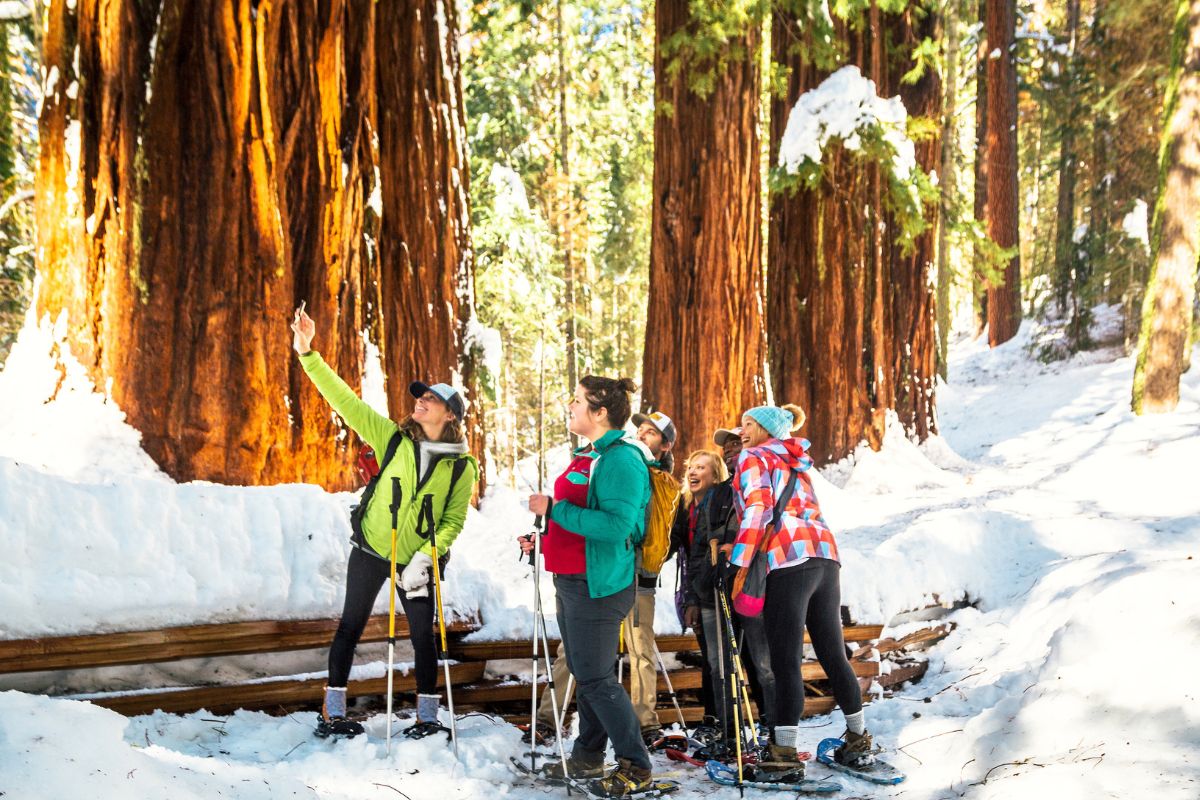
Giant Sequoia Snowshoe Selfie (Kim Carroll)

There are plenty of things to do outside besides hiking, and the equipment rentals at Rush Creek and Evergreen Lodge make sure everyone finds something to enjoy. Take a bike ride to a local river or swimming hole, or check out the trails at Rush Creek. Rent paddle boards and spend the day at Cherry Lake, or take advantage of a fresh snowfall by renting snowshoes to explore the grounds. Rush Creek rental equipment and Evergreen Lodge rentals and day use items are available at the Rec Center rental desks. Prices vary by equipment type, and security deposits are required. 

8 | Hike-Free Exercise Classes

Get exercise beyond hiking at Rush Creek’s fitness classes. These on-site, instructor-led fitness sessions are a fun way to stay active. Yoga classes are available to all skill levels, ages 12 and up. The outdoor classes are even more relaxing when you watch the sun setting over the mountains, and when combined with fluid breathing, will refresh you in no time. Yoga costs $35 per person for a 60-minute class. 

Add the Rush Creek BOGAFit classes to your itinerary if hiking tours aren’t for you. This aquatic exercise is a cross between paddle boarding and yoga and takes place on the Rush Creek saltwater pool. BOGA is a practice that builds balance and strength, and the addition of water makes it challenging in a new way. Classes are open to anyone age 5 and up who knows how to swim. The 50-minute sessions are $35 per person.

9 | Live Music & Entertainment

When you need things to do in the evening, the entertainment at Yosemite resorts provides a relaxing end to an active day outside. Evergreen Lodge offers free seasonal live music and events. Dance or sing along to bluegrass, soul, rock, or disco performed by local and regional bands. Head to The Tavern at Rush Creek for nighttime theme parties, karaoke, or just to enjoy a bite from their late-night menu and a specialty cocktail. 

10 | Board Games on the Main Plaza

Instead of hiking another trail, head to the main plaza at Evergreen Lodge for some relaxing family time. Hanging at this spot is a favorite thing for families to do in any season. The Sun Deck kids’ play area is nearby so the little ones can dig in the sandbox, climb, and explore without venturing too far. And, each Yosemite cabin includes a selection of games to play to enjoy friendly competition by the outdoor fireplace. If you’re looking for places to hang out at Rush Creek, head to the Poolside Terrace, which offers comfy seating and a view overlooking the pool area. 

11 | Indoor Game Room
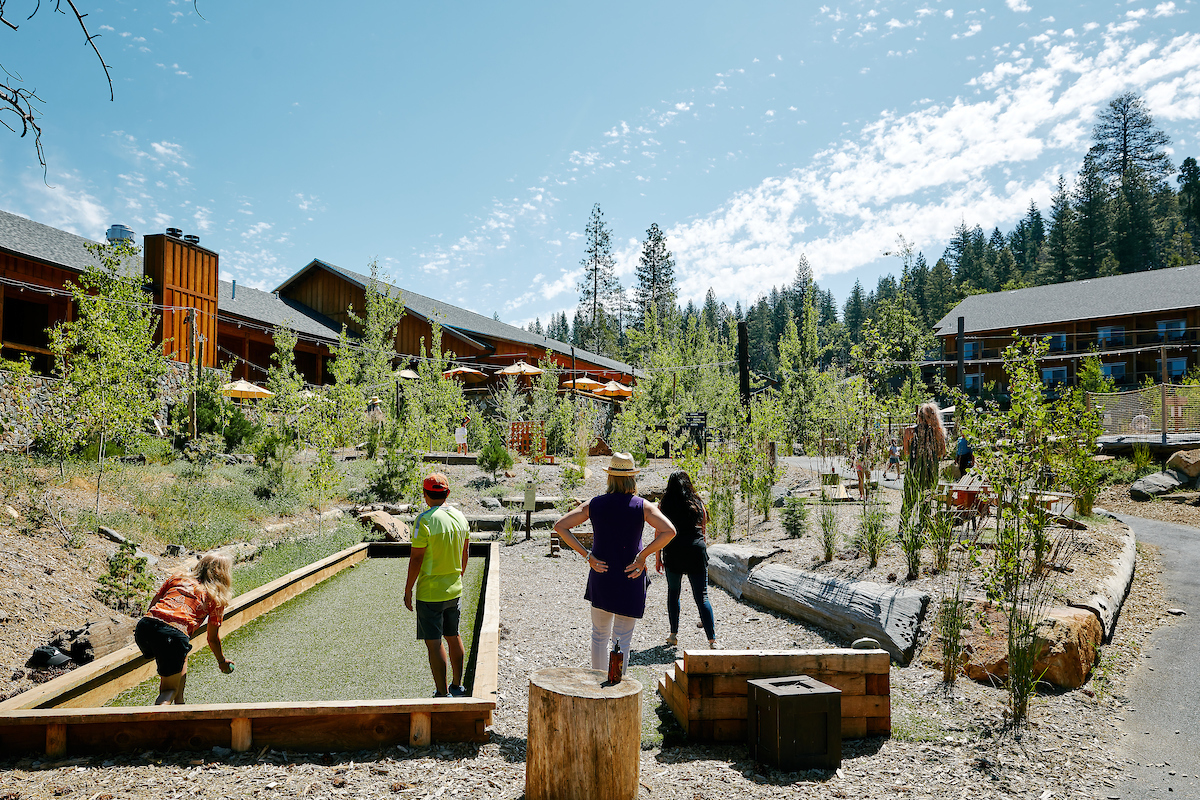
Bocce and horseshoes at Rush Creek Lodge Yosemite.

Playing in the game room is one of the best things to do at Rush Creek for kids, or for adults who want to feel like kids again. Head to the main lodge to challenge each other to classic games including foosball, bumper pool, and lever hockey. You’ll also find a selection of board games and toys, plus there’s a tree house play structure wrapped around the room that’s fun for children to explore. 

12 | Fly Fishing 

Anglers will love trying their luck at fly fishing at Yosemite, and it’s a great activity to keep non-hikers busy while the rest of the party tries a new trail. Bring your own rods, reels, and flies, or rent equipment from the Rush Creek Rec Center. Fly-fishing rods and basic gear (backpack, net, basic tackle) are available for a daily fee ($35 for all) and security deposit. Nearby Cherry Lake is a great spot to try your luck. Private full-day fly fishing trips and fishing lessons are available, but do require some hiking to arrive at the watershed areas. 

13 | Learn Glass Blowing Techniques

Learning a new skill is one of the best things to do at Evergreen Lodge and Rush Creek. Sign up for a glass blowing experience at Rush Creek to take a 45-minute introductory class on this creative art. Your handmade piece will be ready to take home with you the next day, and makes a one-of-a-kind vacation souvenir. Reservations are required. See the Rec Desk at your resort for more details and pricing.

Now that we’ve filled your itinerary with ideas for things to do in Yosemite besides hiking, it’s time to book your dream vacation. Try out Rush Creek Lodge, our hotel near Yosemite, enjoy the historic Evergreen Lodge Yosemite cabin experiences, or stay at Firefall Ranch, Yosemite’s newest lodging option. Both resorts will give you plenty to enjoy indoors and out, in addition to hiking, and you won’t need to travel far to enjoy it all. 

FAQs About Things to Do in Yosemite Besides Hiking

Can you do Yosemite without hiking?

Other activities in Yosemites besides hiking includes whitewater rafting, fishing tours, horseback riding, flight tours, snowshoeing and many activities and services offered at these Yosemite hotels.

How do you spend one awesome day in Yosemite?

If you were to spend just one day in Yosemite, we highly recommend visiting Bridalveil Falls and taking the Lower Yosemite Falls Trail for views of Yosemite Falls in the morning. In the afternoon, we recommend taking the Mist Trail Trailhead to Vernal Falls and Nevada Falls. Get the complete Yosemite itinerary.

What can tourists do at Yosemite National Park?

Depending on the time of the year vacationers visit Yosemite National Park, they’ll have an opportunity to see many of the country’s most famous natural landmarks including Half Dome, El Capitan, and Yosemite Falls. Other things to do at Yosemite National Park include horseback riding, flight tours, jeep tours, whitewater rafting, and trail hiking.
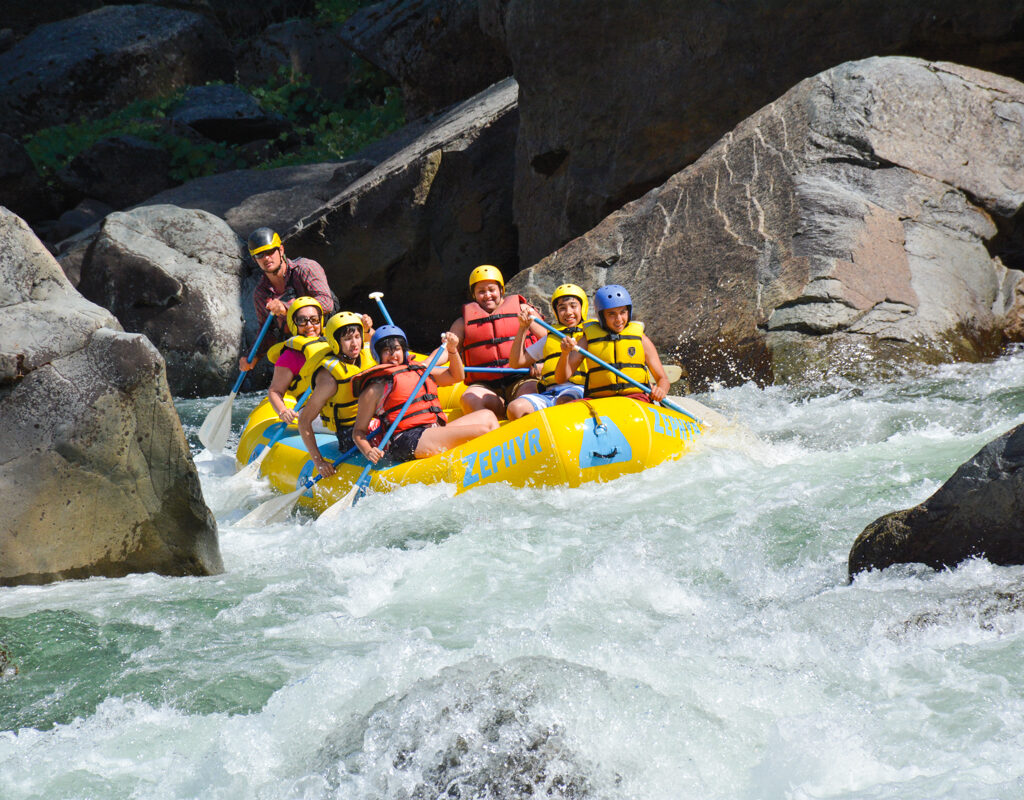
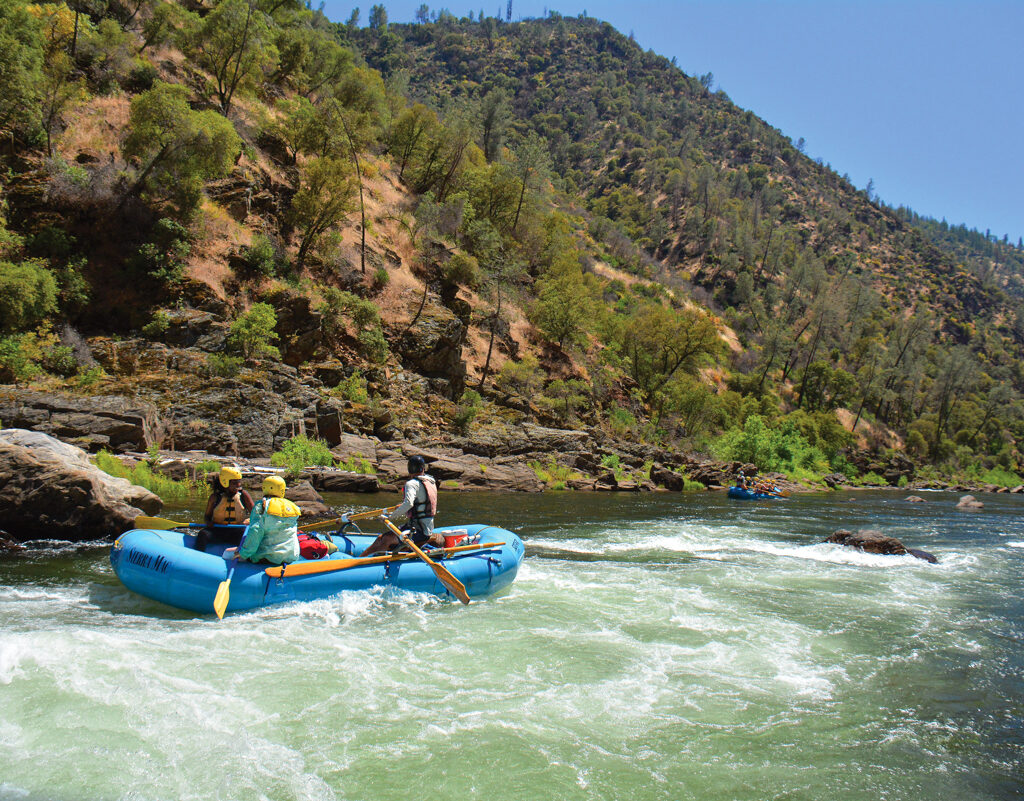
Rafting In Yosemite National Park

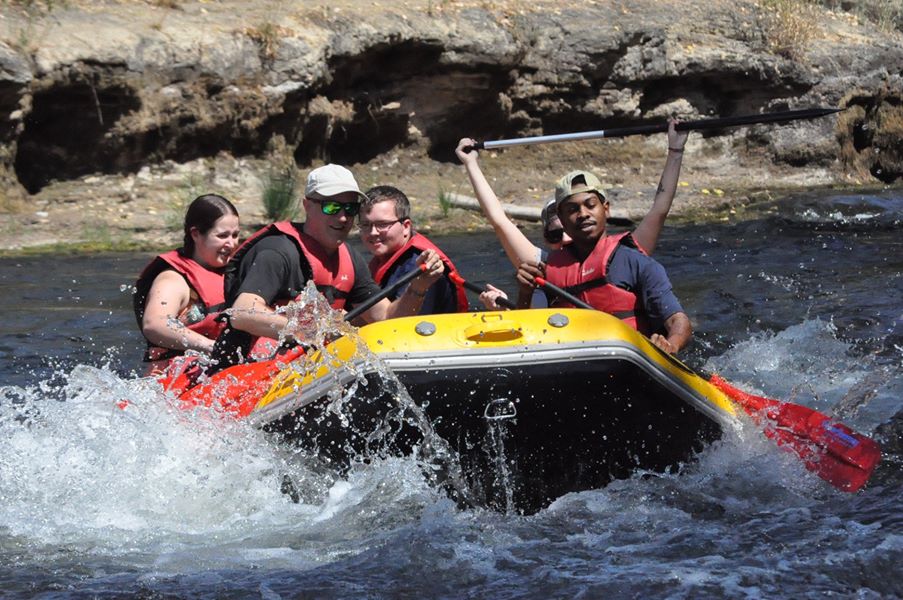
Whitewater rafting in Yosemite National Park is one of the many adventures you will want to add to your itinerary. Spring into early summer is the best time of year to enjoy rafting in the Sierra Nevada as the snowfall melts causing the waterfalls and rivers to flow full, strong and fast. Rafting is still possible mid-summer to early fall on damn-controlled rivers. 

Best Whitewater Rafting In Yosemite

Two of the most popular rivers for rafting in California are the Merced and Tuolumne Rivers. Both rivers are part of the National Wild & Scenic River System for their “outstanding natural, cultural and recreational values.” Known for their superb long rapids, steep drops, narrow chutes and technical reversals, The Merced and Tuolumne Rivers make for premier whitewater rafting trips.

Merced River White Water Rafting

Merced River Rafting

The Merced River totals over 122 miles through the Sierra Nevada.  This impressive river starts in Yosemite’s pristine High Country, explodes through the iconic Nevada and Vernal Falls, then leisurely winds through Yosemite Valley and continues outside of the Park where it picks up speed and transforms into a rafting adventure. 

The 16-mile stretch of whitewater rapids lies between Red Bud and Bagby Reservoir. These Class III-IV rapids are fiercest from April to May as the snowfall first melts. Their intensity lessens as the summer progresses, and rafting on the Merced typically ends around mid-July or August. 

Tuolumne White Water Rafting

Tuolumne River Rafting

The Tuolumne River flows 83 miles through Yosemite National Park and beyond with many smaller rivers branching off. In the middle lies the Hetch Hetchy Reservoir and O’Shaughnessy Dam, allowing for a rafting season of April to October. The 18-mile stretch of rapids on the Tuolumne River ranges from Class III to V+ with the more intense rapids found on the Upper Tuolumne near Cherry Creek. After Meral’s Pool, the rapids stay at a IV or below. 

The main stretch of the Tuolumne River is best known for its wild and scenic wonder with only a few remote trails found along its path. Most of the river remains untouched by roads and has abundant wildlife including bobcats and bald eagles.

Yosemite Rafting Trips

For those looking to enjoy a leisurely float versus an intense rafting adventure, The Curry Village Recreation Center offers raft, inner-tube, paddle and life jacket rentals. While the waters are high during the spring, you can take advantage of a relaxing exploration of the Valley by taking a leisurely paddle down the 3-mile stretch of the Merced River that runs through Yosemite Valley. 

Raft rentals start at $30.50 per person and include paddles, personal flotation devices and a shuttle ride back to Curry Village. The park permits you to use your own raft or inner-tube along this stretch of river and purchase a shuttle ticket for $5 per person. 

Many outfitters in California offer whitewater rafting adventures in and around Yosemite National Park. Three of the best locally-owned companies are Sierra Mac, Whitewater Excitement and Zephyr. For ease of booking your full vacation in one place, check the Rush Creek Lodge & Evergreen Lodge explorations pages to book your rafting adventures then jump right over to the Stay pages to book your Yosemite cabin with the best rates and service available.  

Youth Whitewater Rafting Stanislaus River

Sierra Mac River Trips

Sierra Mac was founded in 1965. Today, they offer guided rafting tours plus fly-fishing trips, mountain-climbing classes and Yosemite hiking tours. Owner Marty McDowell is best known for his pioneering of the Upper Tuolumne River rapids in 1973, still known today as the most challenging whitewater in the US that is commercially run.

Sierra Mac operates only on rivers that flow from within Yosemite and requires all participants to attend a training seminar before their rafting trip. All of their rafting trips include expert guides, state-of-the-art self-bailing rafts (originally designed by McDowell in 1972) and professional photographs throughout your adventure. Here are the four Yosemite rafting trips offered by Sierra Mac:

1| Merced River Rafting Trips

  • Half-day Rafting Trip: 11 miles 
  • Full-day Rafting Trip: 16 miles 
  • Class III-IV rapids
  • Meeting Place: off Hwy 140 in Midpines, CA
  • Minimum Age: 7-years-old during summer & 10-years-old during spring
  • Pricing starts at $104 per person

2| Cherry Creek/Upper Tuolumne Rafting Trips 

  • Full-day Rafting Trip: 9 miles 
  • Class IV-V+ rapids 
  • Meeting Place: off Hwy 120 in Groveland, CA
  • Minimum Age: 15-years-old
  • Pricing starts at $399 per person

3| Main Tuolumne River Rafting Trip* 

  • 1, 2 or 3-Day Rafting Trip: 18 miles 
  • Class III-IV+ Rapids
  • Meeting Place: off Hwy 120 in Groveland, CA
  • Minimum Age: 10-years-old
  • Pricing starts at $349 per person

4| Combination Rafting Trips*

  • 2 or 3-Day Rafting Trip: 27 miles 
  • Class III-V+ Rapids
  • Meeting Place: off Hwy 120 in Groveland, CA
  • Minimum Age: 15-years-old
  • Pricing starts at $829 per person

*For all overnight trips with Sierra Mac, you will enjoy all of your meals prepared by staff, scenic riverside campsites and time for exploration of the surrounding canyon, creeks and swimming holes. Tent and sleeping bag rentals are available.  

Whitewater Excitement 

Whitewater Excitement opened in 1978 and offers beginner, intermediate and advanced rafting adventures. They tour the Merced River plus the multiple stretches of the American River located north of Yosemite near Sacramento. 

Whitewater Excitement’s California rafting adventures include top-of-the-line equipment, smaller groups for more personal attention, cabin tents (for those who prefer to glam-p instead of camp), experienced guides and professional photographs captured during your Yosemite rafting experience. Here is the Yosemite rafting trip offered by Whitewater Excitement:

1| Merced River Rafting Trip

  • 1-Day Rafting Trip: 16 miles 
  • Class III-IV rapids
  • Meeting Place: off Hwy 140 in Midpines, CA 
  • Minimum Age: 14-years-old
  • Pricing starts at $165 per adult, $155 per youth

Zephyr Whitewater Expeditions 

Zephyr was established in 1973 and boasts to be the largest rafting outfitter in the Yosemite region on the Merced and Tuolumne Rivers. They are also one of only 3 outfitters permitted to operate on the Kings River near Sequoia National Park, south of Yosemite. They are also operational on the American River in the northern Sierra Nevada. 

Zephyr Whitewater Expeditions uses state-of-the-art self-bailing rafts and gear, provides professional photographs of your rafting adventure and serves the best “river food” around. During a multi-day rafting trip, expect meals like French toast, taco salads, smoked salmon, Tri-tips caesar salads, lemon poppyseed cake and more. Here are the three Yosemite rafting trips offered by Zephyr: 

1| Tuolumne River Rafting Trip 

  • 1, 2 or 3-Day Rafting Trip: 18 miles 
  • Class III-IV+ Rapids
  • Meeting Place: off Hwy 120 in Groveland, CA
  • Minimum Age: 12-16-years-old (depending on swimming ability and water levels)
  • Pricing starts at $319 per person

2| Merced River Rafting Trip

  • Half-day Rafting Trip: 11 miles 
  • Full-day Rafting Trip: 16 miles 
  • Class III-IV rapids
  • Meeting Place: off Hwy 140 in Midpines, CA 
  • Minimum Age: 7-9-years-old (depending on swimming ability and water levels)
  • Pricing starts at $114 per person

3| Yosemite Special (Merced & Tuolumne River Rafting Trips)

  • 3 or 4-Day Rafting Trip: 16 miles of Merced River + 18 miles of Tuolumne River
  • Class III-IV+ Rapids 
  • Raft the Merced River, enjoy 1-2 exploring Yosemite National Park, then raft the Tuolumne River
  • Pricing combines the 2 rafting adventures with a 10% discount

What To Bring For Rafting In Yosemite?

To aid you in preparing for a rafting trip in Yosemite, we have created a basic list of essentials. Depending on when you are planning to take your Yosemite rafting trip, we also have a cold-weather list of extras to consider.

Warm-Weather Yosemite Rafting List:

  • Lightweight or quick-drying clothes*  
  • Swimsuit or non-bulky swimwear  
  • Sneakers or other closed-toe water shoes (flip-flops and sandals won’t protect your feet) 
  • Sunglasses with neck strap 
  • Sunscreen and lip protection 
  • Waterproof camera 
  • Hat/visor with tie-on strap (remember it has to fit underneath your helmet and still provide sun protection )
  • Water bottle 
  • Set of dry clothes to change into for the trip home

Cold-Weather Yosemite Rafting List:

  • Light windbreaker, wool sweater or polypro jacket 
  • Long underwear (wool or polypro) 
  • Wool or pile pants* 
  • Wool hat & gloves 
  • Fleece socks or wetsuit booties 

*It is best to wear shorts/pants on top of your wetsuit to provide friction and prevent you from sliding around the raft. 

All the above-mentioned outfitters provide guests with wetsuits and paddle jackets for free. You are always welcome to bring your own wetsuit if you prefer. Many people ask what you are supposed to wear underneath your wetsuit. We recommend wearing a thin, nylon swimsuit underneath or other non-bulky swimwear during the warmer months. If your rafting adventure will be during the colder months, we recommend you wear thermal underwear beneath your wetsuit. 

If you are planning a multi-day rafting adventure, check with the outfitter you choose on what specific overnight gear is provided and what you need to bring. Both Evergreen Lodge & Rush Creek Lodge have General Stores on-site for any last-minute items you may need to grab before your rafting adventure. 

Have fun!

Best Day Hikes In Yosemite

For over a century, Yosemite National Park has awed and amazed visitors with its natural beauty. Much of that beauty is seen as you explore the hiking trails within the park, and with over 800 miles of trails, we are sure that you will find the right one for your skill and adventure levels.

Some hiking trails lead to the top of waterfalls towering as tall as 200-story buildings. Others take you to the top of granite domes stretching over 8,800 feet above sea level. Then others simply lead you around expansive meadows filled with wildflowers. 

From late spring until early fall, all of Yosemite’s trails are accessible including those found on Tioga Road and Glacier Point Road. If you are hoping to see full-flowing waterfalls, late spring to early summer is the best time to visit Yosemite. If you’d rather avoid the summer crowds but still enjoy your hike, visit during the fall. The temperatures are cooler, and the crowds greatly diminish. Summer is great for all activities at Yosemite including hiking and camping.

With over 100 trails found within the park, deciding which ones to hike can intimidate, especially first-time visitors. You might ask yourself, “How do I choose the best day hikes in Yosemite? How many days do I spend in Yosemite? Will I miss the best views because I chose the wrong trail?” 

Yosemite Hotels is here to help. Since there are so many trails to explore throughout the park, we have limited this list to the best day hikes in Yosemite Valley. We have also broken our list down by trail difficulty. Remember, before setting off on any Yosemite day hike, be sure you have your bag packed with all the essentials. Stop by our General Stores at Rush Creek Lodge and Evergreen Lodge if you find you are missing any items. 

Best Day Hikes in Yosemite Valley

Yosemite Valley is the park’s central hub and is accessible no matter what time of year you are visiting. This is the primary location for parking if you are planning to hike any of the trails on our list. Here you can find a map of the trailheads for these Yosemite Valley hiking trails. (They are all accessible from the Valley.) Look for the parking lot closest to the trail you plan to hike or take the Yosemite Valley shuttle system which serves all stops in Yosemite Valley, including trailheads, free of charge.

Easy Day Hikes In Yosemite Valley

For beginners, families with kids or those looking for a more relaxed hiking experience, here are the easiest (and most popular) day hikes in Yosemite Valley:

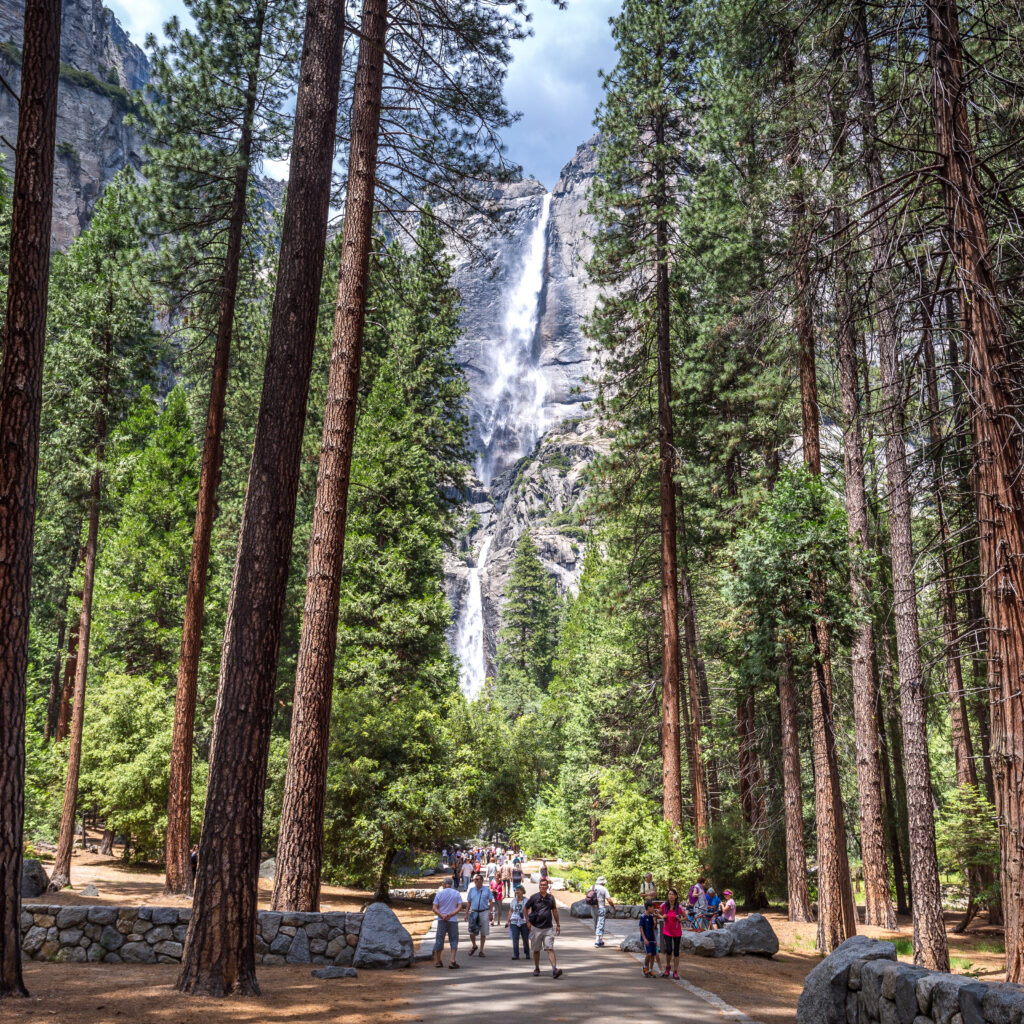
Yosemite Lower Yosemite Falls Trail (Kim Carroll)

Lower Yosemite Falls Trail 

  • Distance of Trail: 1 mile round trip
  • Elevation Gain of Trail: 50 feet / 15 meters
  • Crowd Level of Trail: high 
  • Time to hike the Trail: 30 minutes – 1 hour

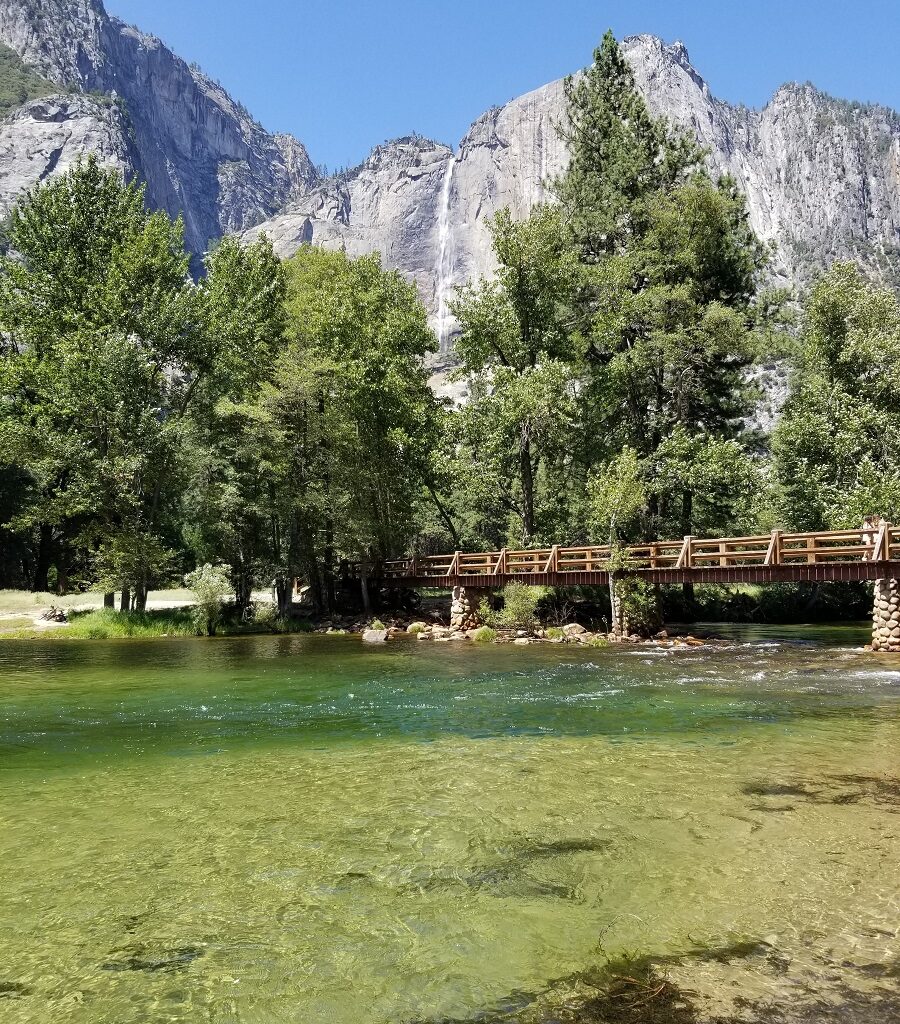
Yosemite Falls stands over 2,400 feet tall, the highest waterfall in North America and the 5th tallest in the world. The trail to the Lower Yosemite Falls is one of the most iconic in the park, and with a fully paved path, it is accessible for all. May through July is the best time of year to complete this day hike to see the waterfall flowing to its fullest. 

Sentinel / Cook’s Meadow Loop

  • Distance of Trail: 2.25 miles round trip
  • Elevation Gain of Trail: none
  • Crowd Level of Trail: high 
  • Time to hike the Trail: 1 – 2 hours

This trail is also extremely popular, but it will give you a chance to soak up more of the beautiful landmarks and views you may have missed on your drive into the Valley. Within the Valley, there are numerous entry points to this trail. You can hop on or off the trail at any of the landmarks along the way including Sentinel Bridge, Yosemite Chapel, The Swinging Bridge, the trailhead of the Lower Yosemite Falls and Cook’s Meadow. This trail is part of the much longer Valley Trail Loop, which circles completely around the Valley. 

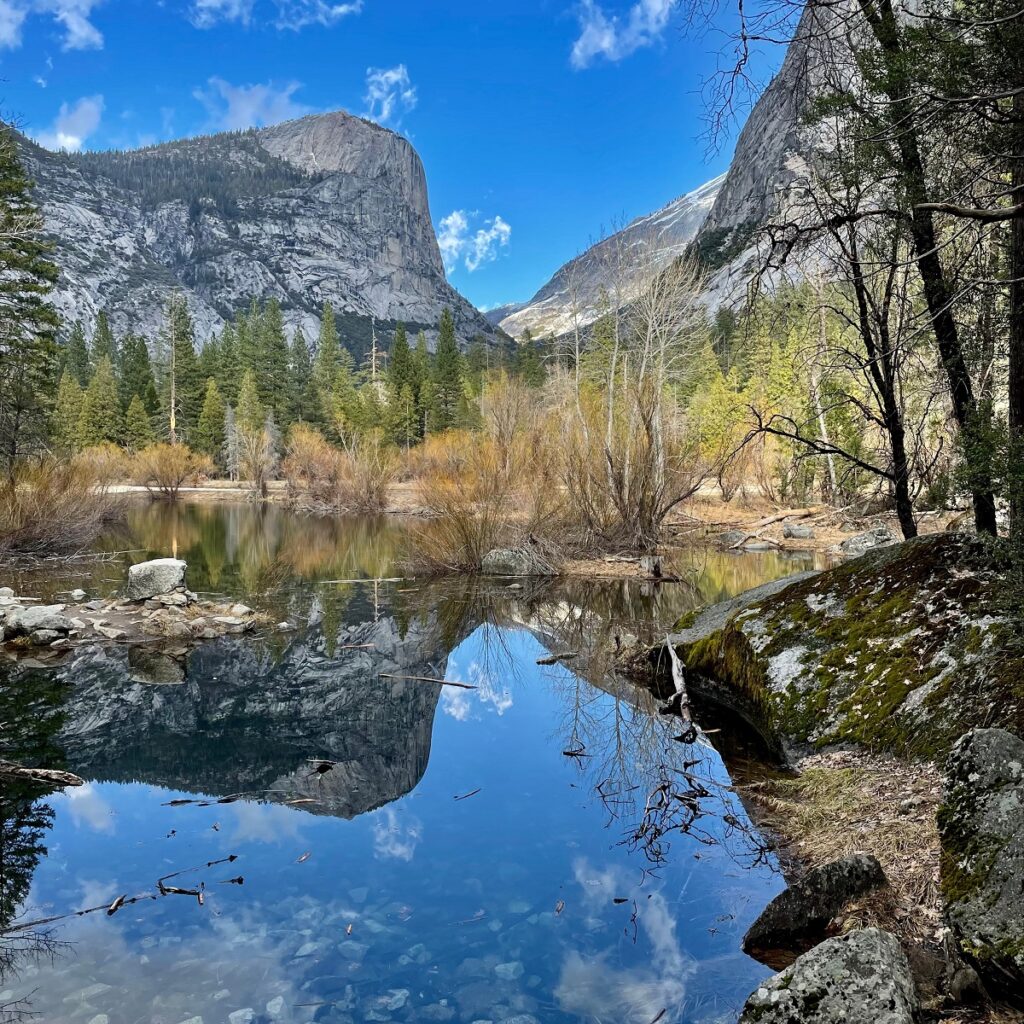
Mirror Lake (Jonah C)

Mirror Lake Loop

  • Distance of Trail: 2.4 – 4 miles round trip 
  • Elevation Gain of Trail: 100 feet / 30 meters
  • Crowd Level of Trail: high 
  • Time to hike the Trail: 1 – 3 hours

Mirror Lake is a hot spot for swimming during the summer months in Yosemite, but beyond swimming, this trail boasts beautiful views of the face of Half Dome. It also is the prime location for some amazing photography. Just wait until you see the reflections of the Valley in the lake! By simply hiking the trail from the trailhead to Mirror Lake and back, the route is about 2.4 miles. To complete the loop past Mirror Lake and around Tenaya Canyon, the trail is 4 miles round trip. 

Moderate Day Hikes In Yosemite Valley

Once you have warmed up your hiking legs and are ready for the next adventure, it’s time to try one of the moderate day hikes found in Yosemite Valley. Not only does the length of these trails increase in difficulty, but the elevation changes are much larger than our list of easy day hikes. Here are our favorite moderate day hikes in Yosemite Valley:

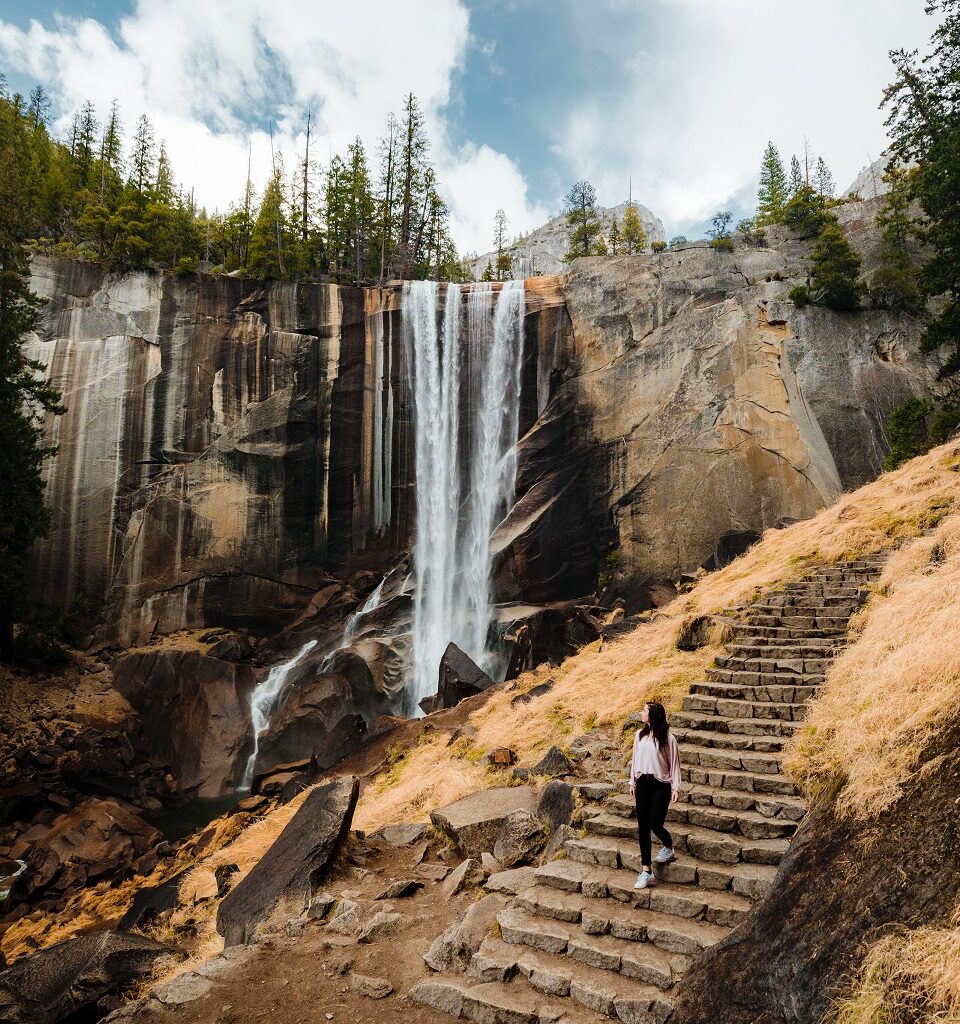
Vernal Fall Ryan Resatka

Mist Trail 

  • Distance of Trail: 3 – 7 miles round trip
  • Elevation Gain of Trail: 1,000 – 1,900 feet / 300 – 580 meters
  • Crowd Level of Trail: medium – high
  • Time to hike the Trail: 2 – 5 hours

The Mist Trail is known for its many views and multiple vantage points of Half Dome, Liberty Cap and two waterfalls. This trail is also popular for the intense flow of the waterfalls, particularly Vernal Falls which will leave you soaked through if you visit during spring. 

Again, you have the option to enjoy a shorter or longer hike on the Mist Trail. Starting at the trailhead to Vernal Falls and back is around 3 miles. If you are feeling adventurous, continue to Nevada Fall to complete the full 7-mile trail. If you decide to continue to Nevada Fall, the hike becomes more strenuous, but the views will be worth the workout. There is also the option to take your return trip down the John Muir Trail. This will add an extra mile or so to your adventure, but it will also add even more breathtaking scenery!

Upper Yosemite Falls Trail 

  • Distance of Trail: 7.6 – 9.4 miles round trip
  • Elevation Gain of Trail: 2,600 – 2,969 feet / 790 – 890 meters
  • Crowd Level of Trail: low – high
  • Time to hike the Trail: 6 – 10 hours
Some of the best day hikes in Yosemite give you an incredible view of Yosemite Falls.

Yosemite Falls

Many have called the hike to the Upper Yosemite Falls the ultimate stair-master workout. After the first mile, you will have climbed 1,000 feet in elevation via dozens of switchbacks and reached Columbia Rock. Take a breath and snap a few photos. Once you continue along the trail, you will climb another set of steep switchbacks before reaching the top of the falls. From the top of Yosemite Falls, you will gaze upon the Valley below and surrounding granite cliffs. 

Once you have made it this far, you have the option to climb a little further to reach Yosemite Point. This stretch will add less than 2 miles total to your hike but will give you a chance to snag some incredible photographs. This point boasts the best views of Half Dome and some of the most beautiful in the park. 

Strenuous Day Hikes In Yosemite Valley

For the extreme sports enthusiasts, Yosemite Valley offers a few of the best strenuous hikes in the park for you to enjoy. Most of these trails will take almost the entire day to complete. Pack your bags and get ready for a strenuous day hike in Yosemite Valley. 

Snow Creek Trail

  • Distance of Trail: 7.2 miles round trip
  • Elevation Gain of Trail: 2,700 feet / 820 meters
  • Crowd Level of Trail: low – medium
  • Time to hike the Trail: 6 – 7 hours

What makes Snow Creek Trail stand out among the rest is its intensely steep and short trek from the Valley floor to the rim. The intense switchbacks on Snow Creek Trail take you from bottom to top in 1.7 miles. For comparison, the Upper Yosemite Falls Trails stretches 3.2 miles to make this climb, and the Four Mile Trail takes 4.7 miles to cover the same elevation increase. 

The trail starts easy and crowded as you make your way down Mirror Lake Loop. Past Mirror Lake at the far end of Tenaya Canyon, you will find the Snow Creek Trail junction. From here, it’s straight up to the top with fewer crowds and a much more intense hike. 

This trail is also accessible via Tioga Road. Taking this route you will add about 3 miles to your total hike, but the hike is far more moderate. On this route, you will descend to Snow Creek versus climbing up, and the elevation change is stretched across 5 miles versus Snow Creek Trail’s 1.7-miles. 

Swinging Bridge in Yosemite National Park.

Four Mile Trail 

  • Distance of Trail: 9.4 miles round trip
  • Elevation Gain of Trail: 3,200 feet / 975 meters
  • Crowd Level of Trail: medium
  • Time to hike the Trail: 5 – 10 hours

From the Swinging Bridge in the Valley to the top of Glacier Point, Four Mile Trail gives hikers some of the best views of Yosemite Falls from top to bottom. Also, this is one of the few trails in the park that has vehicle access at both ends. If you have the vehicles to arrange a “personal” shuttle, you could hike this trail one way cutting your distance and time in half. 

If you choose to make the full hike up and back, you have the option to take an alternate route back down to the Valley via the Panorama Trail. Combining these two trails gives you added views of the Illilouette, Nevada and Vernal Falls, added elevation of around 800 feet and almost 5 additional miles. Consider that the trailheads for these hikes are about 3 miles apart. Once again, the views you will gain can make all those added miles worth it. 

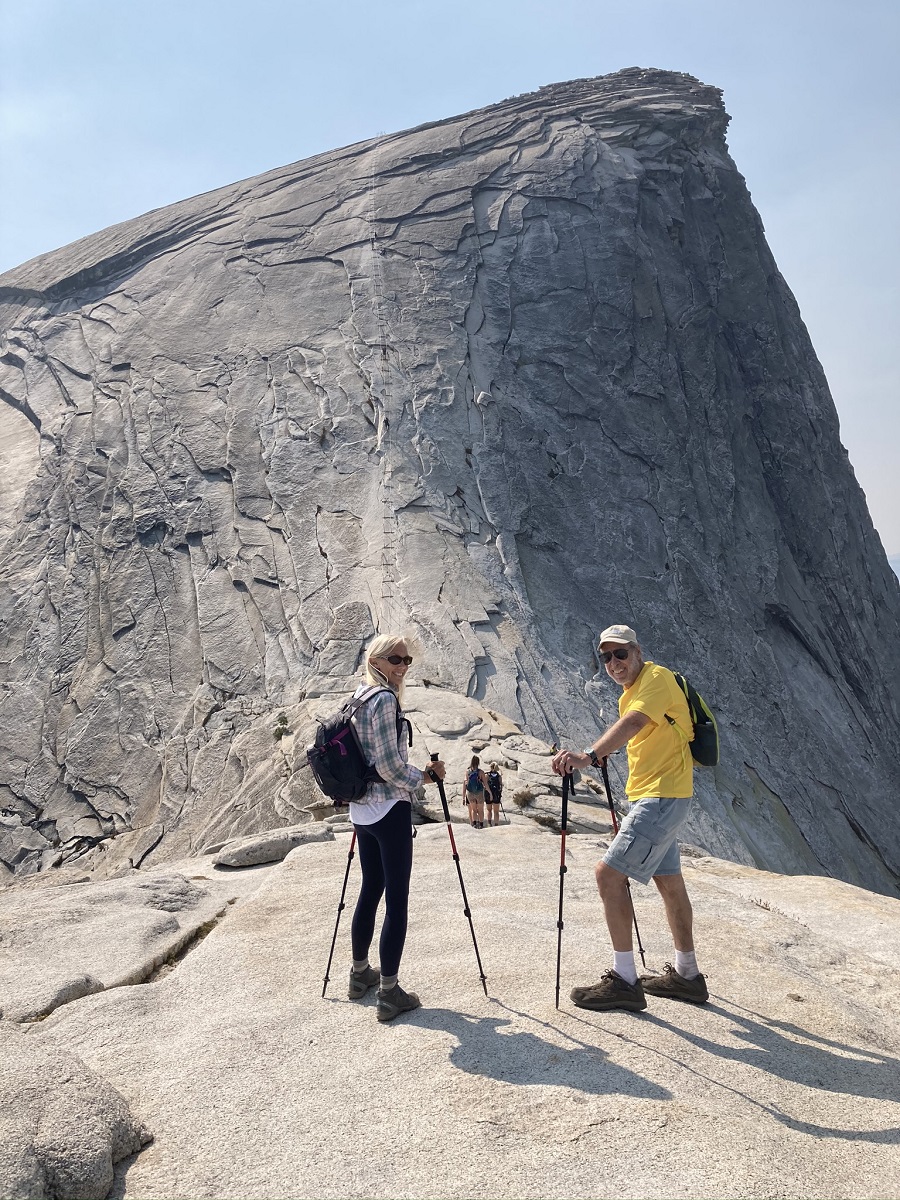
Half Dome hike at Yosemite National Park.

Half Dome Trail 

  • Distance of Trail: 14.2 – 23 miles round trip
  • Elevation Gain of Trail: 4,800 feet / 1,600 meters
  • Crowd Level of Trail: high (limited)
  • Time to hike the Trail: 10 – 14 hours

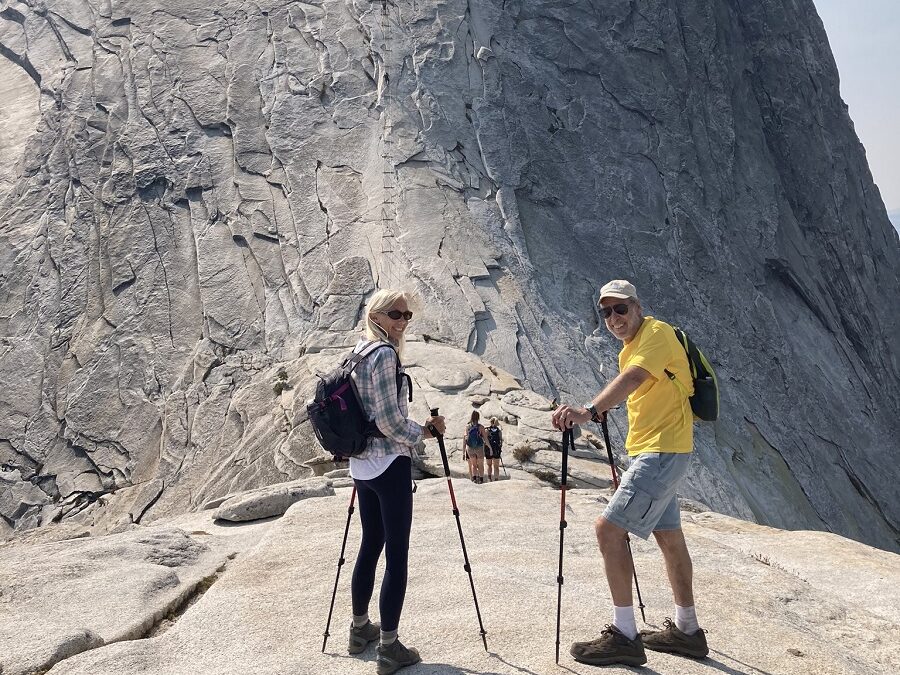
We saved the best for last. This all-day hike provides some of the best views within the park, but it also is one of the most dangerous trails. The trail is only open from around Memorial Day in May to Columbus Day in October; they remove the climbing cables during all other times of the year. 

There are two important things to know about Half Dome. First, a permit is required to climb the last 400 feet up the backside of Half Dome using the cable route. (Anyone may make the hike as far as the subdome.) Permits for Half Dome day hikers are distributed via a lottery system. Applications open at the end of March for the following season. If you are not chosen during this initial lottery, you do a chance to receive a day hike permit by submitting an application two days before you plan to hike. 

The cable route to the top of Half Dome can seem intimidating but it is one of the best day hikes in Yosemite.

Cable Route at Half Dome

There are 225 day-hike permits distributed for each day of the week, and the remaining 75 permits are reserved for backpackers who plan on spending the night at the Little Yosemite Valley campground before their Half Dome hike. (Those who receive backpacker permits for Half Dome are still required to apply for a wilderness permit for an overnight adventure within the Park.)

Second, be sure to plan ahead and prepare for what you might need while on your Yosemite day hike, especially for the Half Dome Trail. For example, waterproof hiking boots are needed no matter which trail you choose to hike. For the Half Dome Trail, you will also need to bring nitrile-coated gloves for climbing the cables. It is best to pack for all possible situations rather than finding yourself missing an important item in an emergency. 

You have the option of several trails to access Half Dome, a few that we have already discussed. First, you could take the Mist Trail past the Vernal and Nevada Falls, jump onto the John Muir Trail at the junction and continue to the Half Dome Trail. This route is the shortest trail at 14.2 miles. 

You could also take the John Muir Trail the entire way from Vernal Falls Bridge, past Clark Point to the Half Dome Trail. This route is around 16.5 miles. There is also a route via the Panorama Trail from Glacier Point that stretches around 20 miles, or the route from Tenaya Lake is the longest totaling around 23 miles. No matter which route you choose, if you are one of the honored individuals to receive a Half Dome hiking permit, you are in for a true adventure. 

If the thought of tackling any of these hikes alone seems intimidating, allow our knowledgeable guides to assist. Rush Creek Lodge and Evergreen Lodge offer guided hikes for many trails in Yosemite no matter what your experience level. All the pricing for our guided hikes includes your park entry fee, and you will not be required to obtain a day-use reservation pass. 

We hope this list of the best day hikes in Yosemite Valley has increased your excitement for your next Yosemite adventure. Rush Creek Lodge , Evergreen Lodge, and Firefall Ranch welcome the opportunity to accommodate you and your family during your next vacation. We have a variety of on-site amenities, world-class dining options and a prime location for easy access to Yosemite National Park.

Yosemite Day Hike Packing List: What to Bring and How to Prepare

Your Yosemite day hike packing list should include essentials like water, food, seasonal clothing and footwear, weather protection, and emergency supplies. Having the right gear will keep you safe and comfortable on the trail so you can be fully in the moment, enjoying the wonder and beauty of the park. Whether you’re a first-time hiker or an expert wayfarer, preparation is key to a successful day on the trail. That’s why we created this guide to help you know what to bring, what to leave, and what to expect when taking a day hike in Yosemite.

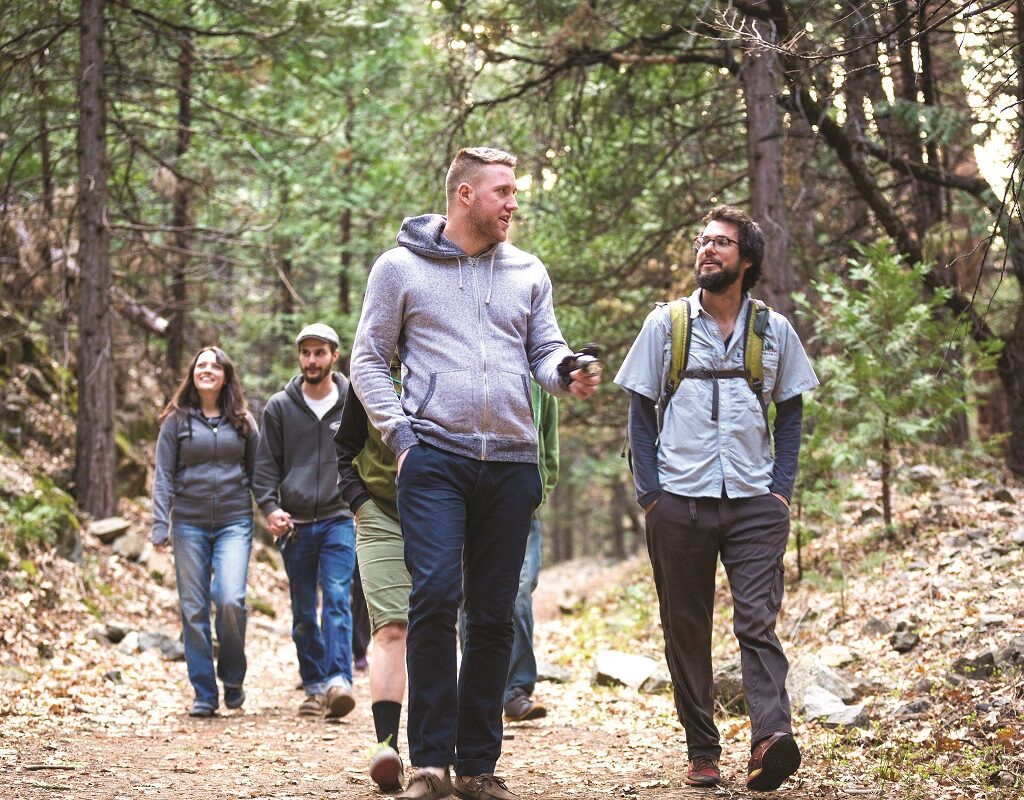
Father and son hiking Yosemite.

Yosemite Hiking Essentials: Quick Packing List

Use this list to quickly identify essentials and nice-to-haves when packing for your adventure.

Must-Have EssentialsSafety & EmergencySuggested & Nice To Have
Water or hydration system
Snacks and food
Hiking shoes or boots
Layers
Sun and bug protection
Map or other offline navigation
Backpack
First aid kit
Headlamp
Whistle
Trekking poles
Water shoes
Camera
Binoculars
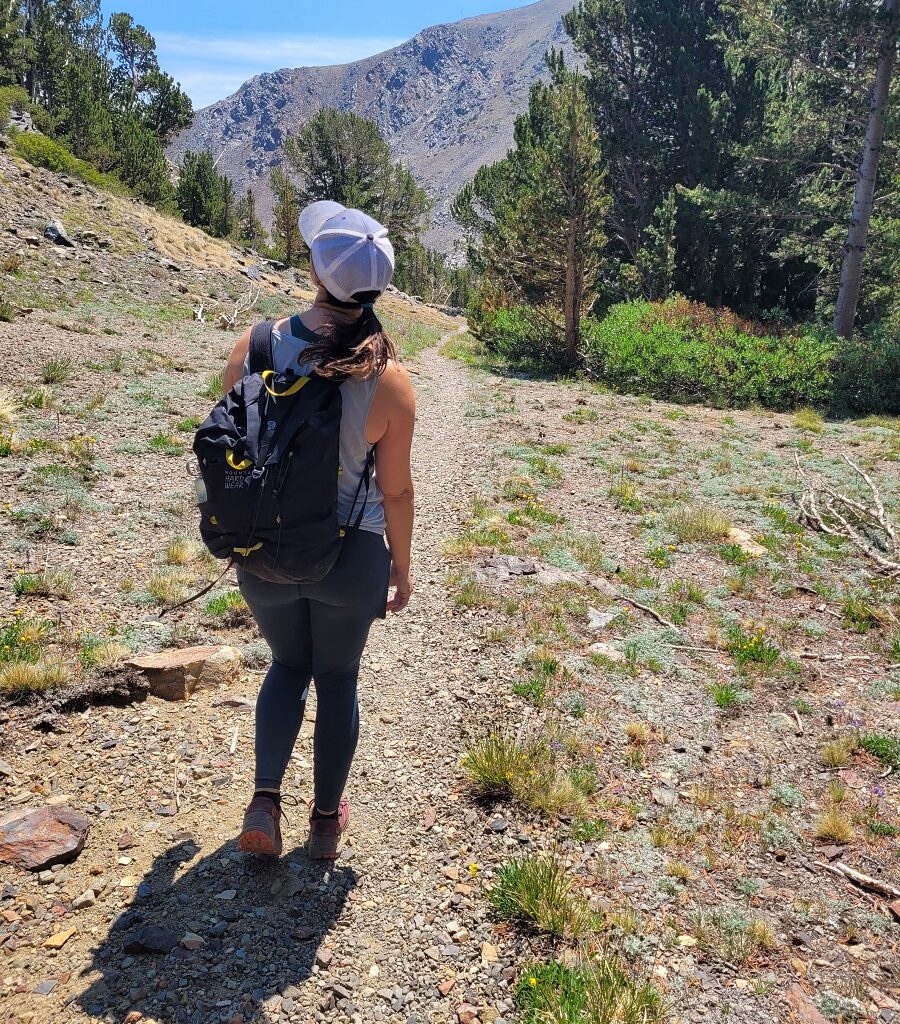
Hiker on the Mono Pass Trail in Yosemite National Park.

Packing Essentials: What to Bring on a Day Hike in Yosemite

These are the non-negotiables you need to pack. This gear helps you stay hydrated, fueled, and oriented on the trail. Start here before adding optional or comfort items.

Hydration: Water Rule of Thumb

No matter the trail length or season, water is the most important item to pack. Elevation gain, sun exposure, and dry mountain air can increase dehydration risk faster than many hikers expect. Follow these rules of thumb when deciding how much to bring:

  • Short, easy hikes: At least 32 oz per adult for short, easy hikes.
  • Moderate hikes: Plan for about 1 quart every 2 hours on the trail.
  • All-day hikes: Bring around 3 liters per person, more in hot or exposed conditions.

Wondering whether you should use a water bottle or a reservoir? It’s up to personal preference, and hikers should choose the option that encourages them to drink regularly rather than rationing. Here’s how they compare:

  • Hydration reservoirs fit inside a backpack, hold larger volumes, and make it easier to sip consistently while moving.
  • Water bottles are simple, durable, and make it easy to track water consumption throughout the day. Some even have built-in filters for refilling when natural water sources are available.

Seasonal Water Availability

Natural water sources in Yosemite change throughout the year. During spring and early summer, runoff may create flowing streams, while fall and winter often bring dry trails with limited refill options. Always assume you’ll need to carry all the water you require unless you’ve confirmed reliable sources along your route.

Quick Tip: Drinking extra water the day before a longer hike gives you a head start on hydration and can make the hike more comfortable overall.

Food & Calories

Elevation gain and uneven terrain can increase calorie burn quickly, so having trail-ready snacks on hand is important for sustaining energy and focus. Use these guidelines when packing food:

  • Short hikes: Bring energy-dense, easy-to-eat snacks such as trail mix, granola bars, jerky, or dried fruit.
  • Longer or more strenuous hikes: Plan for 200–300 calories per hour on the trail.
  • All-day hikes: Pack a light lunch that holds up in changing temperatures.

Quick Tip: Choose foods that won’t melt, spoil, or become unappetizing in heat or cold. For example, if packing sandwiches, shelf-stable options like hummus or mustard travel better than mayonnaise.

Wildlife Safety Reminder

Never feed wildlife or leave food scraps behind. Human food is harmful to Yosemite’s animals and attracts unwanted encounters. Pack out all wrappers and leftovers, and store food securely.

Other Gear & Equipment

A few additional items can significantly improve comfort and safety. These essentials are easy to overlook but play an important role once you’re on the trail.

Bug spray & sunscreen:

  • Sunscreen is essential year-round, especially at higher elevations and near reflective granite and water. Bring enough to reapply as needed during the day.
  • Bug spray is especially important in late spring and summer, when mosquitoes are most active. For best protection, apply it to exposed skin and lightly treat hats, boots, and backpacks.

Backpack or Day Pack:

  • Choose a pack that fits well and distributes weight evenly.
  • Look for multiple compartments to keep essentials organized and accessible.
  • Prioritize comfort over size—most day hikes require only a modest-capacity pack.

Navigation:

  • Paper maps and trail guides are dependable on trails without cell service, and they show elevation changes that apps may not highlight.
  • A compass is optional for short hikes but recommended for longer routes or less-traveled trails.

Quick Tip: Offline GPS maps are helpful but should never be your only navigation tool.

Half dome hike in Yosemite.

Must-Have Emergency & Safety Gear

Conditions can change quickly, even on well-traveled Yosemite trails. Packing basic emergency and safety gear helps you handle minor injuries, delays, or unexpected situations without turning a day hike into a serious problem.

First Aid Kit

Always have a compact first aid kit in your pack.

  • Choose prepackaged kits that cover the basics and keep supplies organized
  • Include bandages, blister care, and pain relief
  • Make sure your kit includes a knife or multi-tool, which can be useful for gear repairs and emergencies

Headlamp

A headlamp is essential in case your hike takes longer than planned.

  • Useful for early mornings, late returns, or shaded trails
  • Keeps your hands free and adds a critical safety margin

Whistle or Signal Mirror

Simple signaling tools can make a big difference if you get separated or need help.

  • A whistle carries farther than a voice and requires less energy
  • A signal mirror can attract attention from long distances in open terrain

Bathroom Essentials (Leave No Trace)

Even though many trailheads have restrooms, you should always be prepared.

  • Pack toilet paper, hand sanitizer, and a few sealable bags
  • Seal used materials and trash in a Ziplock for proper disposal off the trail
  • Follow Yosemite’s Leave No Trace rule: pack it in, pack it out
Firefall Ranch Local Hike - Kim Carroll Photography

Optional Gear: Nice-to-Have Items

These items aren’t essential for every hike, but they can add comfort, convenience, or enjoyment depending on your plans. Consider them situational add-ons rather than must-haves.

  • Trekking poles: Helpful on longer hikes, steep elevation gains, or descents where extra stability reduces knee and leg strain.
  • Water shoes and swimsuit: Useful if you plan to stop and relax near rivers and streams on your hike.
  • Camera or GoPro: Ideal for capturing the views at Yosemite’s most iconic photo spots.
  • Binoculars: Great for birdwatching and spotting wildlife from a safe distance.
  • Portable charger: Helpful for long days when using GPS, maps, or taking photos frequently.
  • Climbing gloves: Only useful on trails with cables or exposed granite where hand protection improves grip.

Quick Tip: If an item doesn’t clearly support safety, comfort, or your specific plans for the day, it’s probably safe to leave it behind.

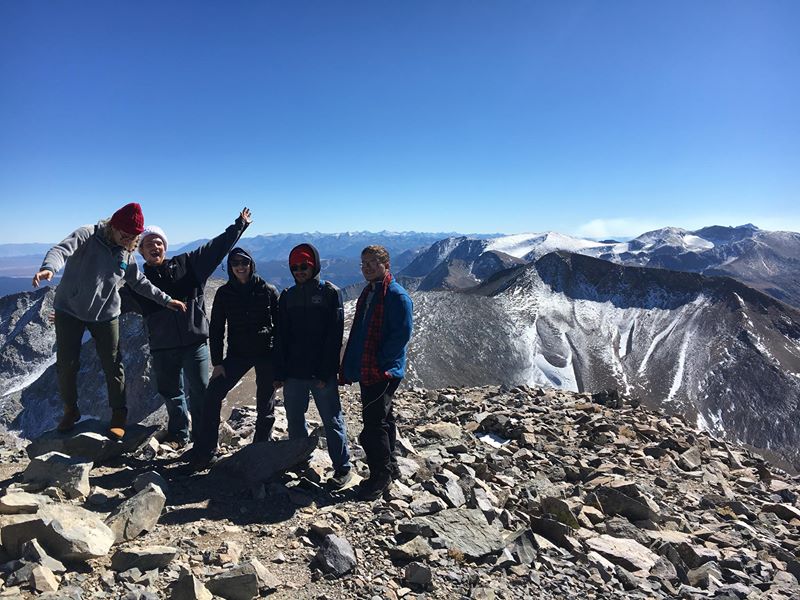
Youth on High Country Hike.

Clothing & Footwear: What to Wear Hiking in Yosemite

While Yosemite offers some of the best day hikes in the country, the trails vary widely in terrain, elevation, and weather, which makes choosing the right clothing and footwear essential. What you wear should support comfort, traction, and temperature control throughout the day. Start with the right shoes or boots, then build layers that adapt as conditions change.

Footwear: Hiking Shoes vs. Hiking Boots

Even if you don’t plan on hiking across any streams or rivers, it’s a good idea to invest in a reliable pair of waterproof hiking shoes or boots. Waterproof hiking shoes handle most trails from late spring through fall, while hiking boots become more important during spring runoff, early-season snow, and winter conditions.

Choose waterproof hiking shoes if:

  • You’re hiking in early fall, mid-late spring, or summer
  • Trails are well-marked and maintained
  • Your hike is short to moderate in length
  • You want lighter, more breathable footwear

Choose hiking boots if:

  • You’re hiking in thick mud, snow, or cold weather
  • Trails are icy, uneven, or rugged
  • You’re hiking long distances or carrying more gear
  • You want extra ankle support and insulation

Regardless of type, we recommend taking time to break in your hiking shoes or boots before your vacation. There’s nothing worse than new-shoe blisters on a hike. Bring moleskin bandages in your backpack to use if blisters start to form.

Also, don’t forget to pack and wear a pair of breathable socks. Ensure that your socks are long enough to protect your lower leg from your boots. It can also be helpful to pack an extra pair of socks. A fresh pair of dry socks can make a big difference on your hike back.

Clothing: Layers for Elevation & Weather

With the extreme elevation changes around Yosemite National Park, the temperatures can also drastically change from the start of your hike to the end of your hike and in between. No matter the time of year you visit Yosemite, layers will be important.

Base Layers

Your base layer sits closest to your skin and plays a major role in regulating body temperature. Choose lightweight, moisture-wicking fabrics, and avoid cotton, which holds moisture and can make you feel cold once you stop moving. Here’s what to wear hiking in Yosemite:

  • In warmer months: A t-shirt or tank top paired with breathable hiking shorts or convertible pants works well.
  • In cooler conditions: Opt for wool or synthetic long-sleeve tops that retain warmth even when damp.

Insulating Layers

Insulating layers help trap body heat when temperatures drop, especially at higher elevations or during early mornings and late afternoons. Pack layers like:

  • A lightweight long-sleeve shirt for warmth and sun protection
  • A fleece or wool mid-layer for spring, fall, or shoulder-season hikes
  • Thicker insulation, warm socks, and gloves in late fall, early spring, or winter

Quick Tip: If you can’t comfortably hike while wearing and carrying your layers, you’re likely over- or under-packed. Aim for pieces that are lightweight, compressible, and easy to put on or remove as conditions change.

Shell or Rain Protection

A protective outer layer shields you from wind, rain, and waterfall spray. Even in summer, sudden afternoon showers can move through the Sierra Nevada, so rain protection is worth carrying year-round. Here’s what to bring:

  • A lightweight water-resistant or waterproof jacket
  • A compact poncho—it can cover both you and your backpack, and packs down small

Headwear: Head & Eye Protection

Sun exposure is a factor on Yosemite trails year-round, especially near waterfalls, granite surfaces, and open switchbacks.

  • Sunglasses help reduce glare from the sun, water, and snow, and improve visibility as trails move between shade and open areas. They’re especially important in winter, when reflected sunlight can be intense.
  • A hat provides essential scalp and face protection. A baseball cap, wide-brimmed sun hat, or lightweight bucket hat works well in warmer months. In colder conditions, switch to a beanie or wool cap for added warmth.

This small set of items goes a long way toward improving comfort on long or exposed hikes.

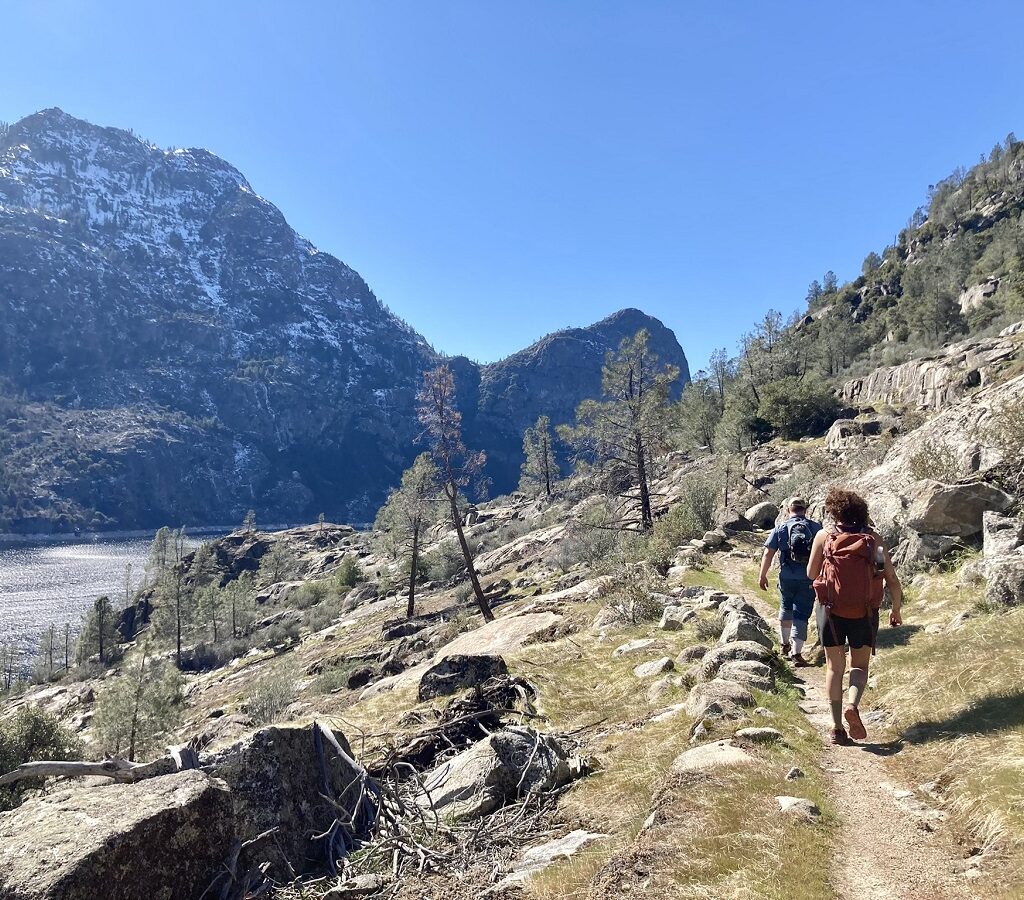
Hike to Wapama Falls in Yosemite National Park.

How to Prepare for a Day Hike in Yosemite

Preparing for a day hike starts with knowing where you’re going and what the conditions will be like. Whether you’re hiking with kids on one of the shorter, easier trails like the half-mile Lower Yosemite Falls Trail or tackling seven and a half miles to the top of Yosemite Falls, many of your hiking essentials will be the same.

However, there are some differences in the amount and type of gear you need based on the length of your hike and the season. Accounting for the length and intensity of your hike helps you know how much you need to pack, while preparing to hike based on seasonal conditions keeps you weather-ready from the parking lot to the trail’s end.

Hike Length: What Changes Based on Distance

  • Short hikes (≤2 miles): Pack light with minimal food, but don’t forget to bring plenty of water.
  • Moderate hikes (3–6 miles): Bring more water and snacks, layers you can adjust if conditions change, and offline navigation tools just in case.
  • All-day hikes (6+ miles): Have a full food plan, emergency gear, and extra water. Consider bringing a headlamp if your all-day hike starts before dawn or ends after dusk.

Seasonal Packing Considerations

Conditions change depending on whether you’re visiting Yosemite in summer or winter, spring or fall. Here’s what you can expect based on each season:

  • Spring: Prepare for runoff and mud with waterproof footwear.
  • Summer: Heat, sun exposure, and bugs require extra water, loose clothing, skin protection, and bug spray.
  • Fall: Temperature swings mean more layers so you can adapt based on elevation and time of day.
  • Winter: Expect snowy conditions that require good insulation and quality, waterproof hiking boots to protect your feet from cold and wet weather.

What NOT to Bring on a Yosemite Day Hike

Packing smart also means knowing what not to bring. These items are unnecessary, unsafe, or not allowed on Yosemite trails.

  • Bear spray: Prohibited in Yosemite National Park. Proper food storage and awareness are the recommended safety measures.
  • Scented items left in cars: Items like food, toiletries, gum, and even wrappers can attract bears. Use bear lockers at trailheads and never leave scented items in your vehicle.
  • Soap or detergents for water sources: Washing in streams, rivers, or lakes harms wildlife and water quality, even if products are labeled biodegradable.
  • Excessive valuables: Expensive or irreplaceable items add risk and distraction without improving your hike.
  • Unnecessary heavy gear: Overpacking increases fatigue and can make hikes less safe. Stick to gear that supports comfort, navigation, hydration, and emergencies.

Reminder: Yosemite is a protected wilderness, not a controlled environment. Following park rules keeps both visitors and wildlife safe.

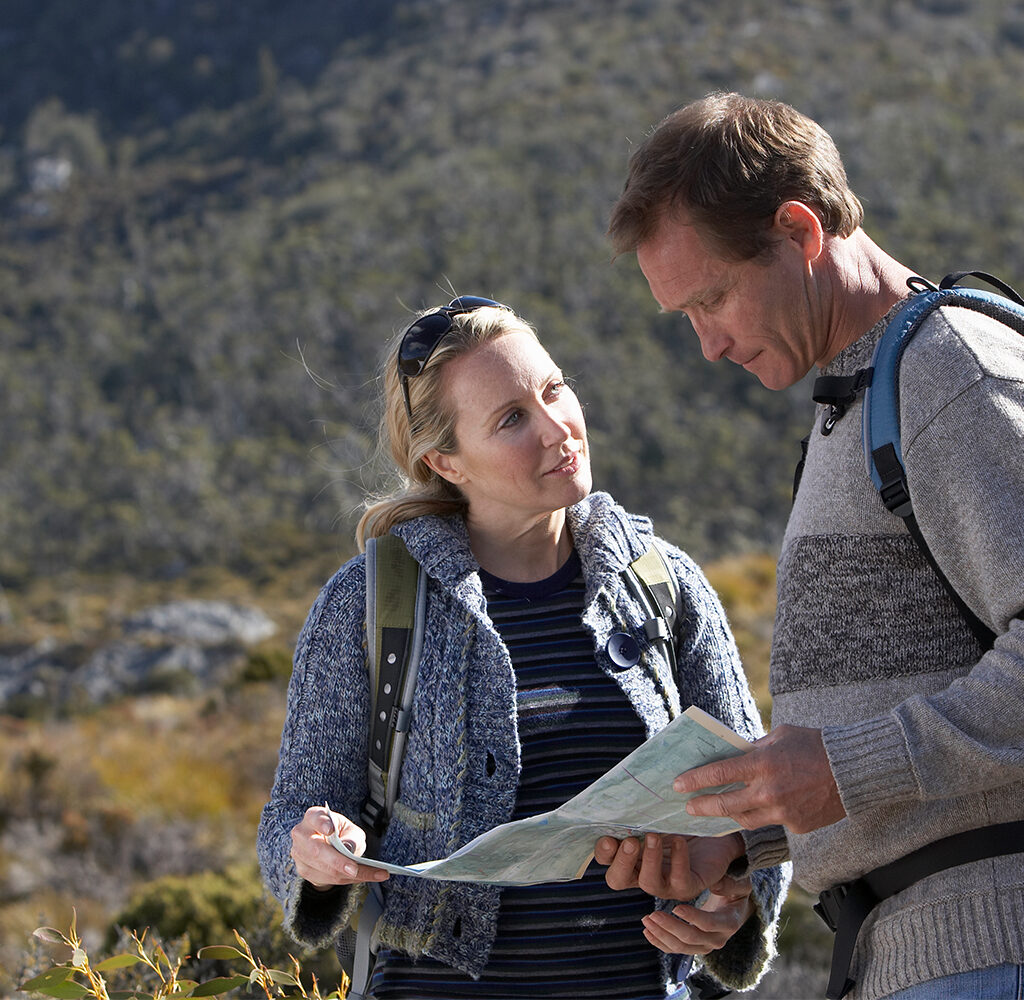
Lost hikers looking at a map.

FAQs: Yosemite Day Hike Packing Questions

Here are quick answers to some of the most frequently asked questions about day hiking in Yosemite:

Do you need hiking boots for Yosemite?

Not always. Waterproof hiking shoes work for most day hikes starting in late spring, while hiking boots are better for snow, mud, cold weather, or long, rugged hikes.

Do you need hiking shoes for Yosemite?

Yes. Hiking shoes or boots provide better traction, support, and comfort than casual footwear on Yosemite’s uneven and rocky trails.

Should you carry bear spray in Yosemite?

No. Bear spray is not allowed in Yosemite National Park and is unnecessary when proper food storage and wildlife awareness guidelines are followed.

Do I need water shoes for Yosemite?

Water shoes aren’t needed for hiking. They’re optional to bring and only useful if you’re planning to stop near lakes or streams.

What should I bring on a day hike in Yosemite?

Bring water, food, appropriate footwear, layers, sun protection, navigation tools, a backpack, and basic safety gear like a first aid kit and headlamp.

How do I prepare for a Yosemite hike?

Check trail conditions, choose gear based on the season and hike length, pack essentials first, and review official Yosemite National Park safety guidance before heading out.

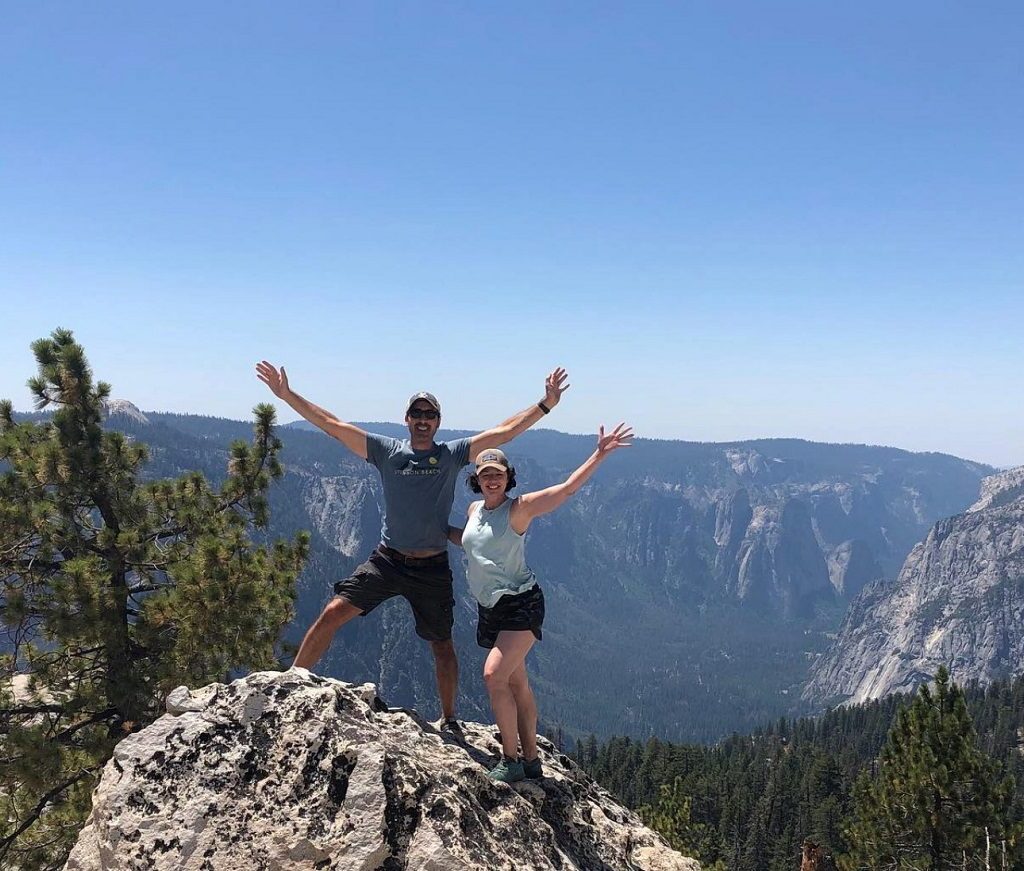
Romantic Yosemite hike.

Final Yosemite Hiking Tips

A little preparation goes a long way when hiking in Yosemite. These final tips help you stay informed, safe, and respectful of the park’s natural environment.

  • Check with park rangers before heading out to confirm current trail conditions, closures, and weather impacts. Conditions can change quickly, especially during spring runoff or after storms.
  • Pay close attention to safety signage along trails. Warnings about steep drop-offs, slick granite, or fast-moving water are there for a reason.
  • Use extra caution if hiking solo. Leave your route and expected return time with your lodging front desk, a friend, or a family member.
  • Treat Yosemite as a true wilderness area. Stay aware of your surroundings, as hazards can exist even on popular routes.

With the right preparation, a Yosemite day hike can be one of the most rewarding parts of your trip. From short and scenic waterfall walks to longer elevation gains, smart packing helps you stay comfortable, safe, and fully immersed in the experience.

For a convenient home base, Yosemite Hotels offers lodging just outside the park. Guests have access to on-site general stores for last-minute supplies, guided tours led by local experts, and Recreation Desks that can help with trail planning and day-use rentals. Learn more about staying at Evergreen Lodge, Rush Creek Lodge, or Firefall Ranch and get your packing list ready for your Yosemite hiking adventure.