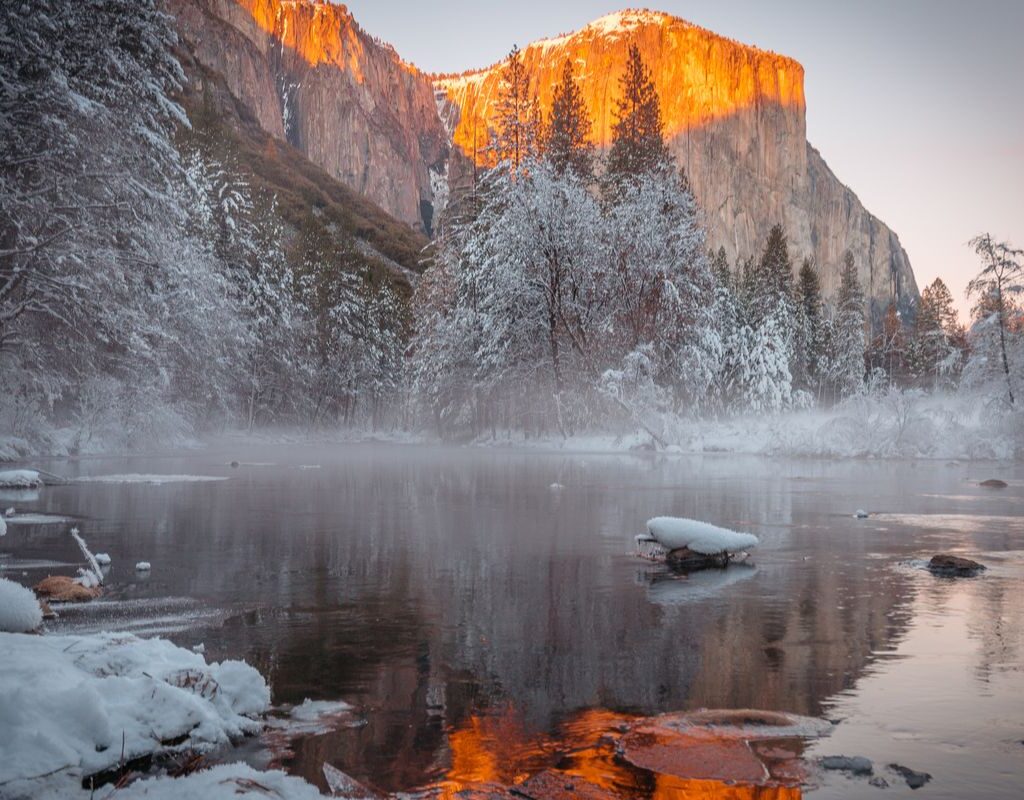
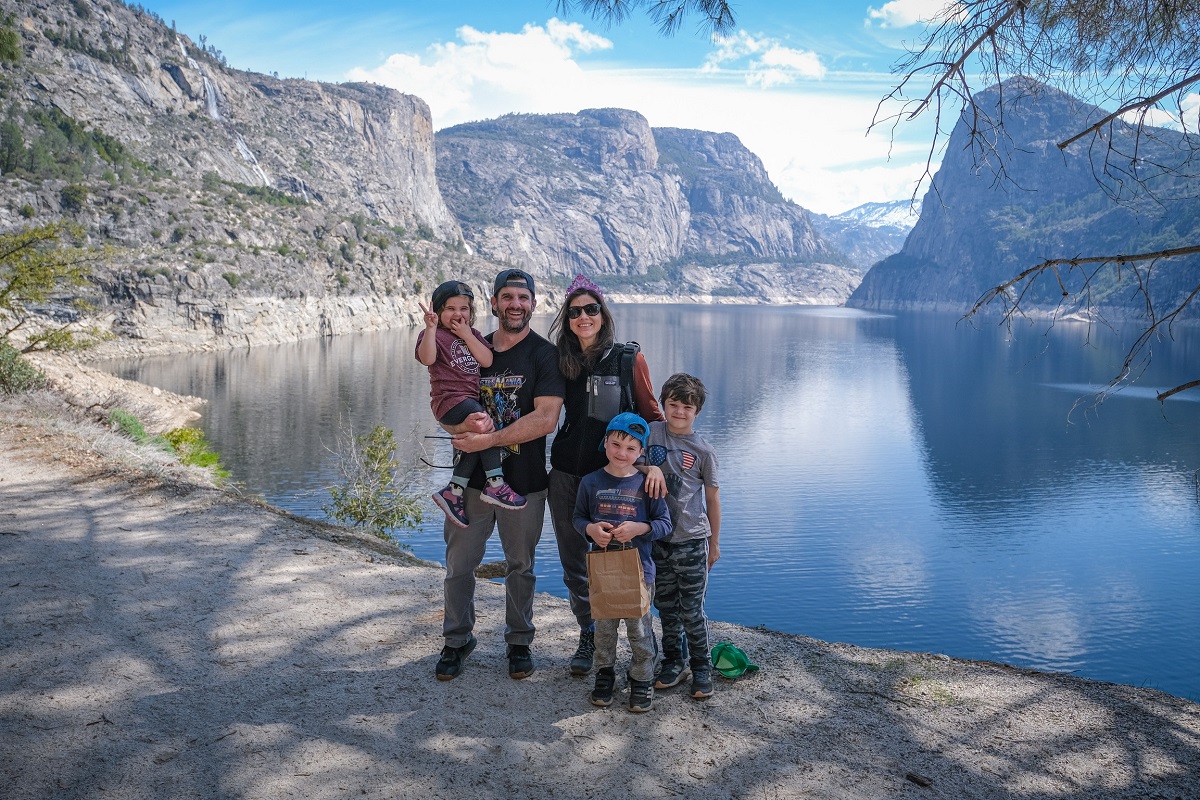
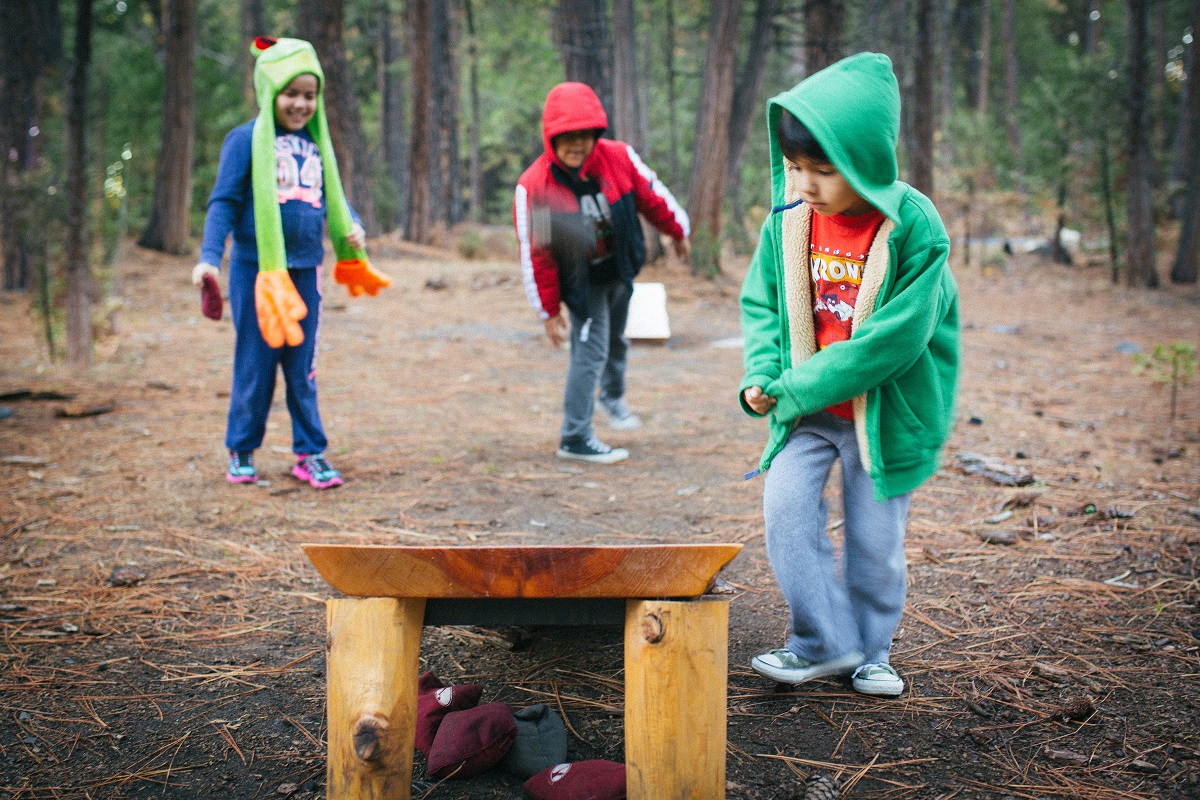
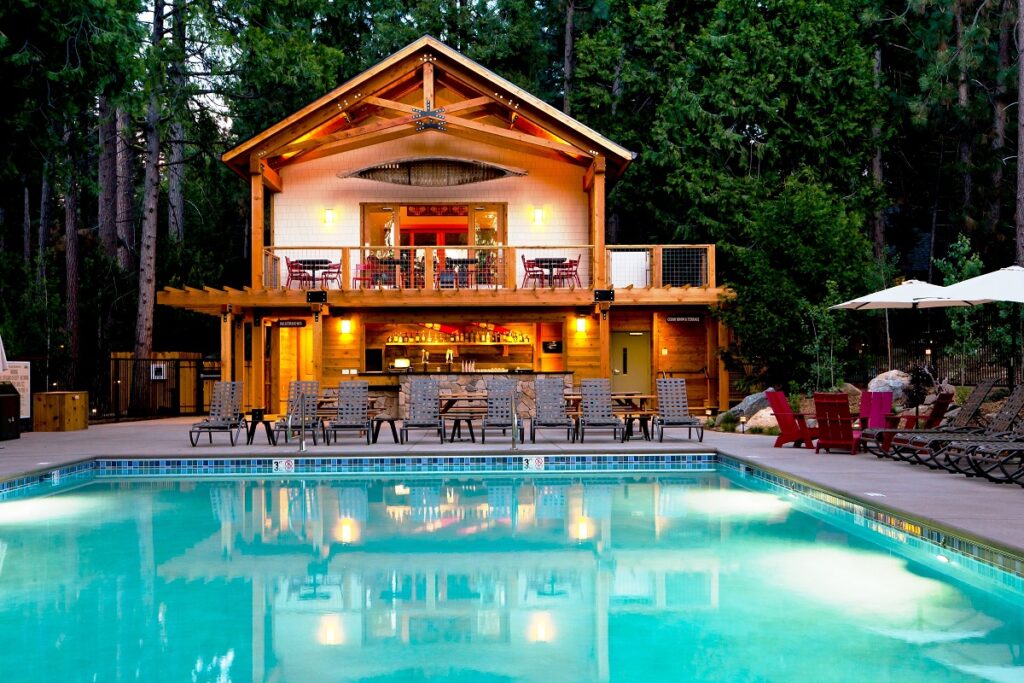
The excitement in Yosemite doesn’t disappear with the daylight. Lots of safe, memorable activities happen at night—indoors and out—to fill your itinerary with recreation and relaxation at any hour. Planning what to do in Yosemite at night is easy with these ideas for guided stargazing and hikes, plus s’mores, live music, crafts, and spa time at the lodge.
The Top 5 Best Nighttime Experiences
If you only want to hit the highlights or need quick ideas for an evening, our guides agree that these five things are among the can’t-miss activities for Yosemite visitors after dark:
Find out more about these and other activity ideas below.
Things To Do Outdoors After Dark in Yosemite
Yosemite after dark isn’t something you watch—it’s something to experience. Step outside and soak up the fresh mountain air, gather by the fire, and enjoy the park’s skies and scenery in these adventurous new ways:
Stargazing—Guided or Solo
Where: In the Park or at Evergreen Lodge & Rush Creek
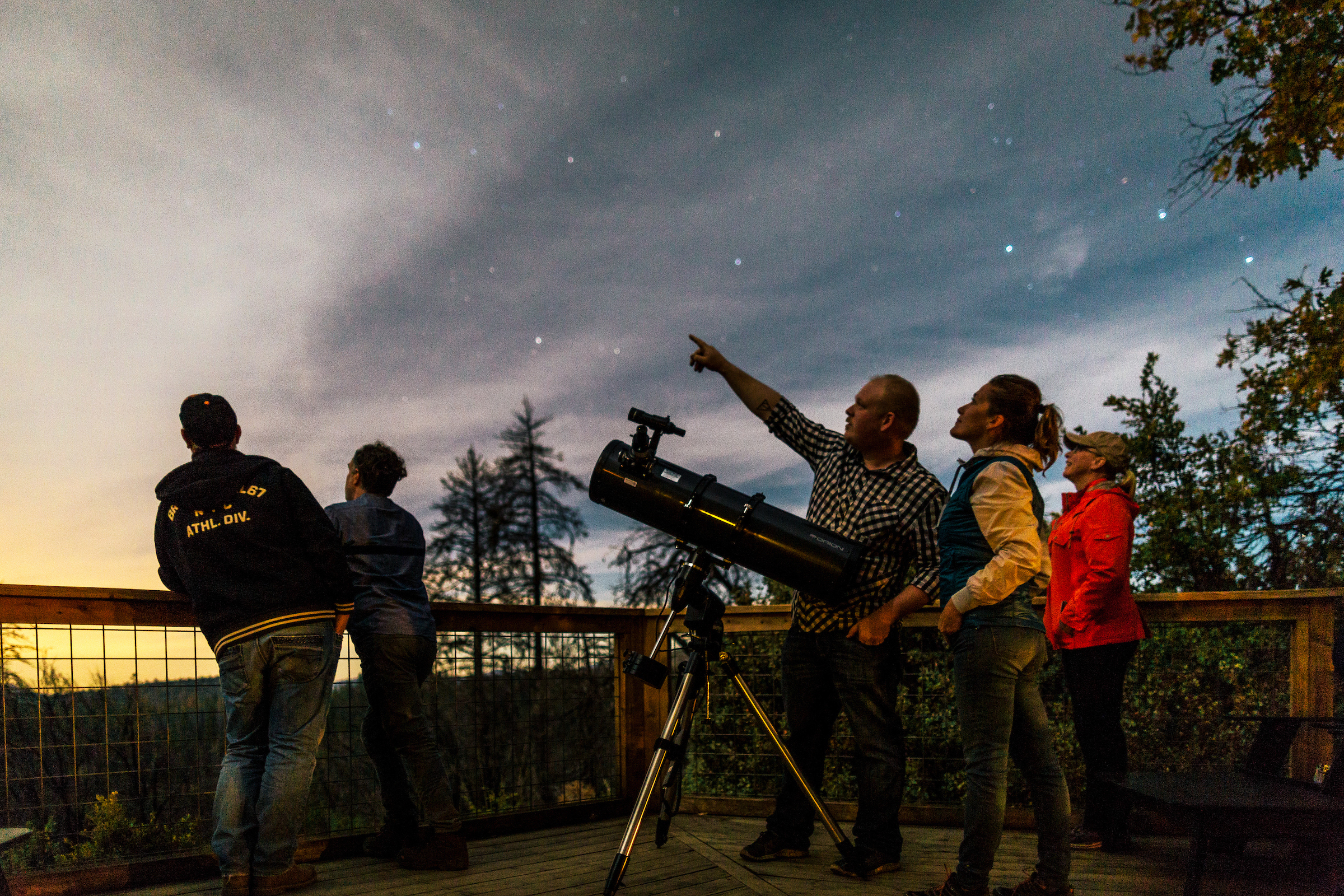
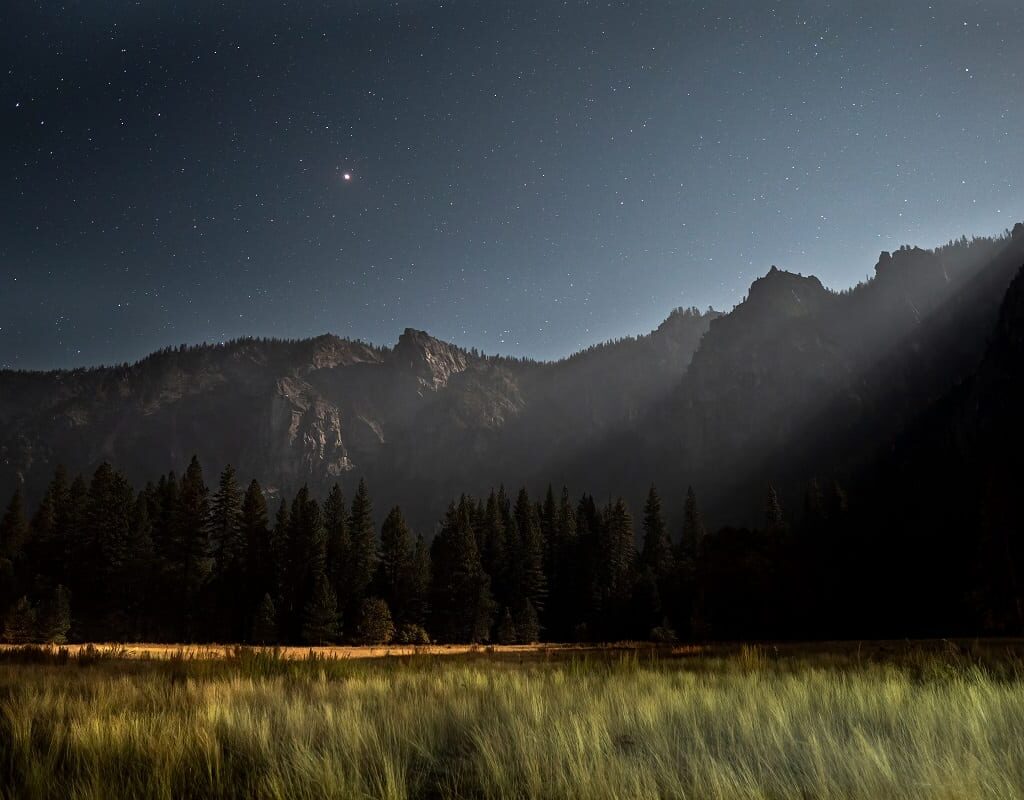
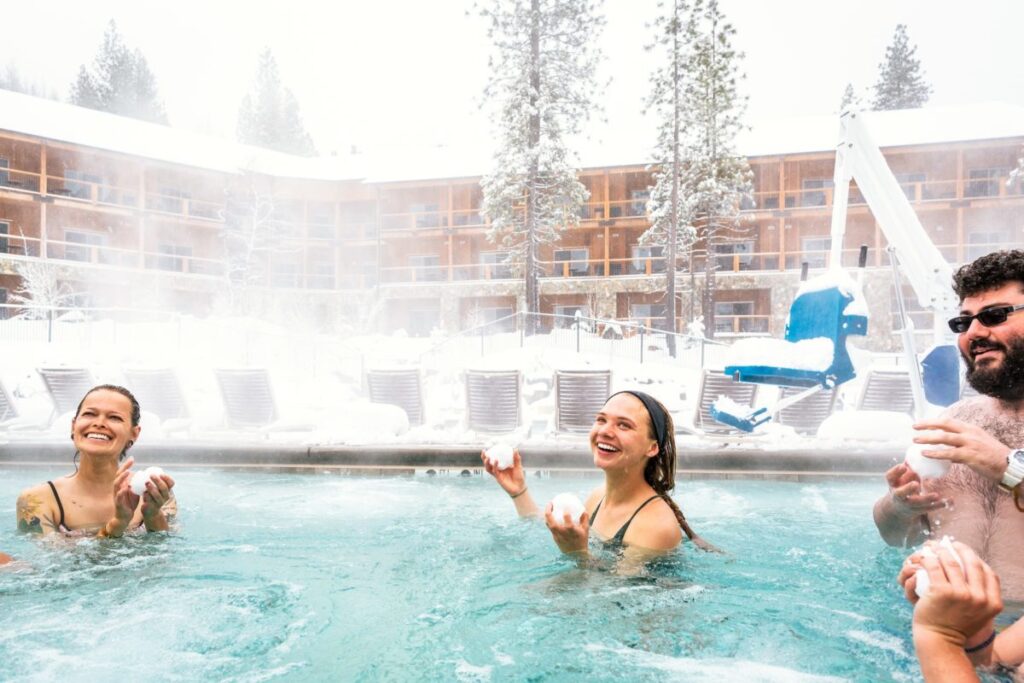
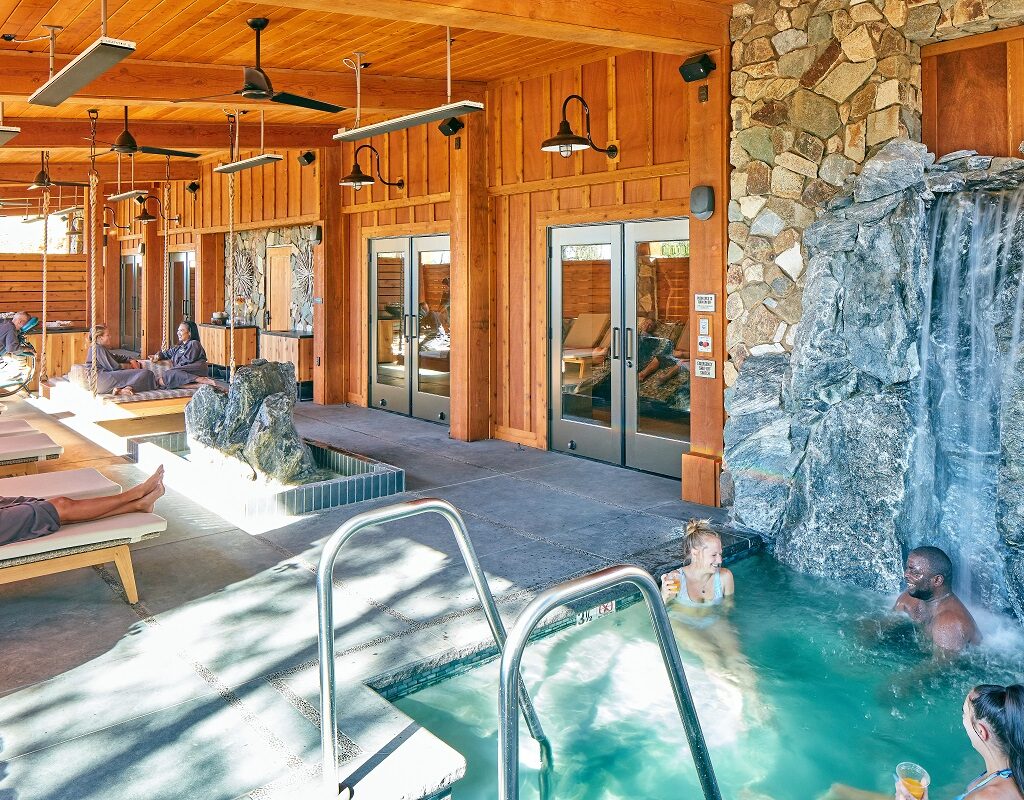
After watching a spectacular sunset over the Sierra Nevada Mountains, take advantage of the clear night sky for stargazing. The absence of light pollution in this region allows you to see a fully illuminated sky. The guided stargazing experiences at Evergreen or Rush Creek Lodge, available seasonally, include a naturalist guide and a high-powered telescope. Enjoy seeing a full range of constellations, planets, and galaxies. You can also enjoy stargazing from the resorts. Watch the night sky from your private balcony or slip into your resort’s outdoor hot tub to see the stars while you soak.
Making S’mores Around the Fire
Where: Evergreen Lodge & Rush Creek Resorts, central to each main lodge
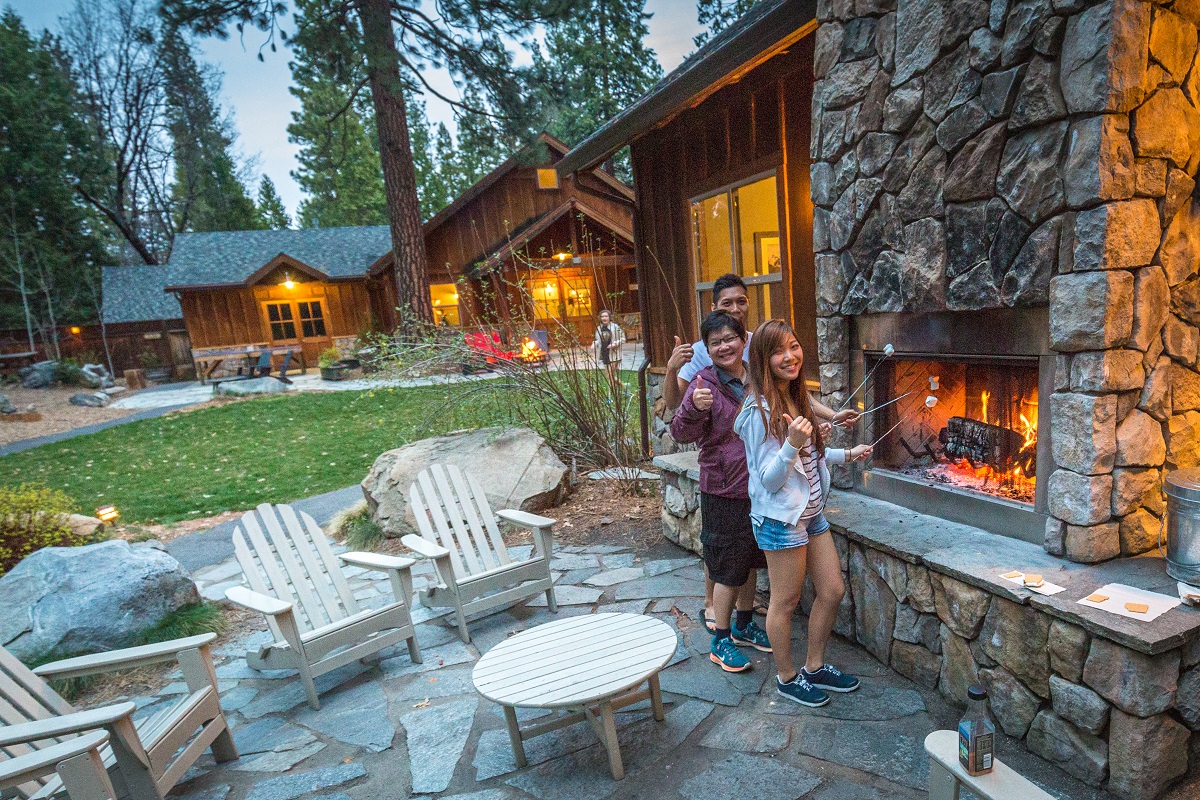
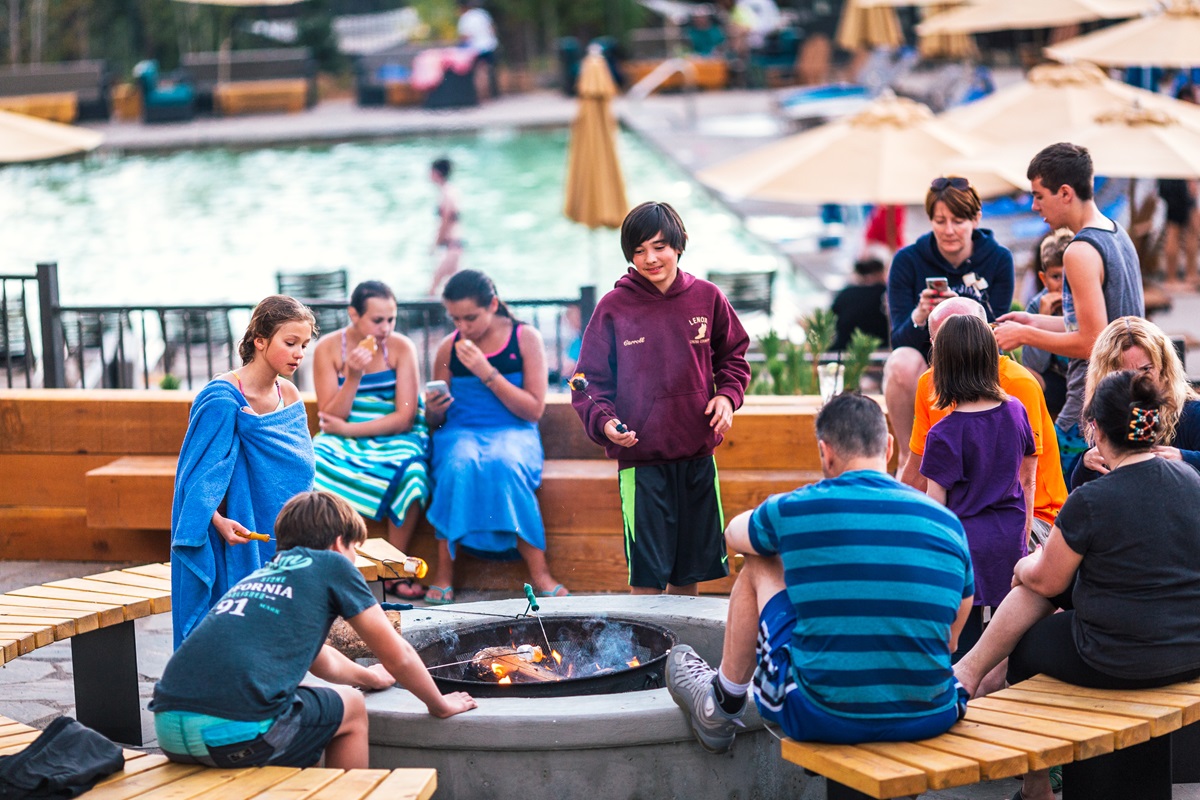
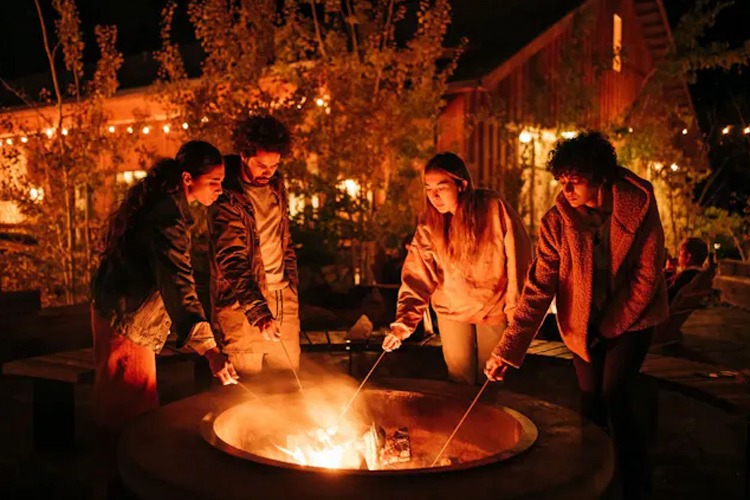
Pull up a chair around the firepits at Rush Creek and Evergreen Lodges for a gooey round of s’mores-making. It doesn’t matter your age; this activity tops everyone’s lists of what to do in Yosemite at night. We light the firepits at each main lodge nightly for lively conversation, gathering, and of course, s’mores. Come hang out around the fire and indulge in this campfire treat.
Indoor Nighttime Activities at Yosemite Lodges
Some of the best things to do in at night happen at our fantastic local lodges near Yosemite Valley. Whether the temperature drops and ushers you inside, or you’re ready to kick back and be entertained, our amenities and recreation offer fun for everyone. Fill in your after-dark itinerary with ease using these ideas to start:
Enjoying Tavern Entertainment
Where: Evergreen Lodge & Rush Creek Taverns
Check out the Tavern’s evening entertainment schedule to kick back and listen to local musicians or partake in a theme night. Whether you want to sing karaoke or let the band carry the tunes, each Tavern provides plenty of entertainment options.
Craft Beer Tasting
Where: Evergreen Lodge & Rush Creek
Guests 21 and older should consider saving one night at Yosemite for sampling Golden State craft brews. Both Evergreen and Rush Creek offer California craft beer tasting experiences. Check with the Recreation Desk upon arrival to confirm availability and reserve your seat.
Unwinding at the Spa
Where: Rush Creek Lodge Spa
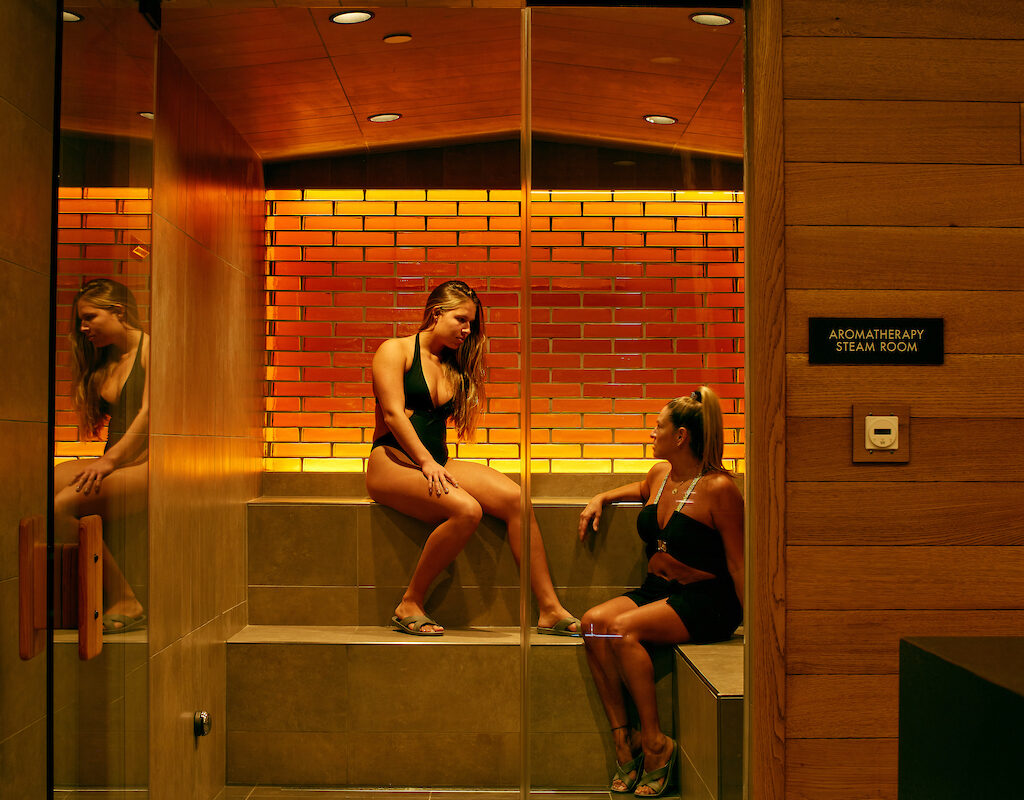
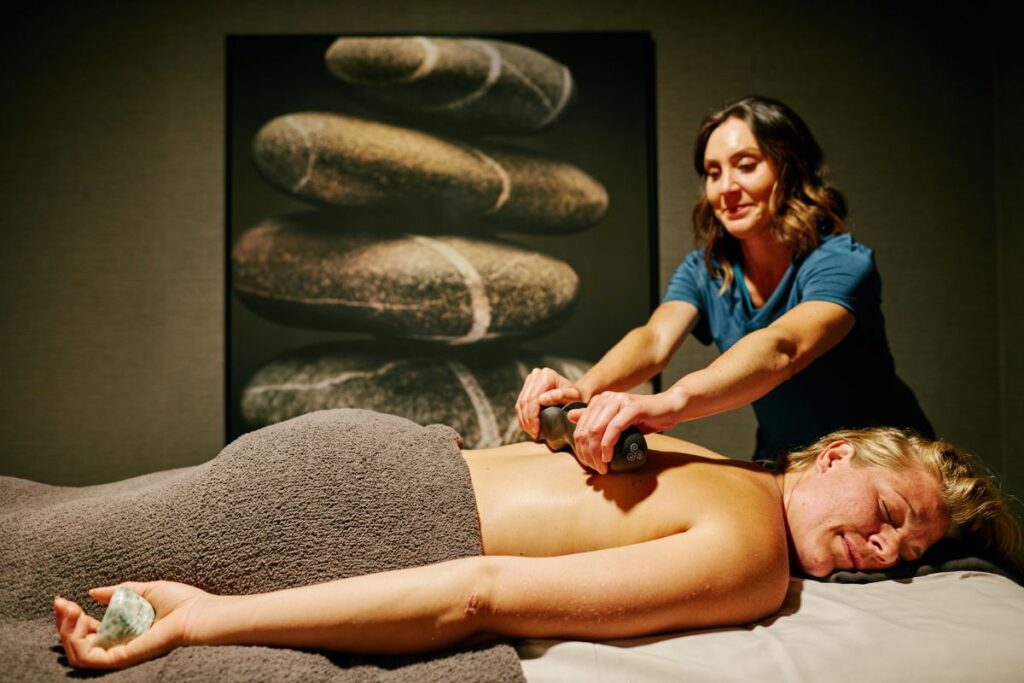
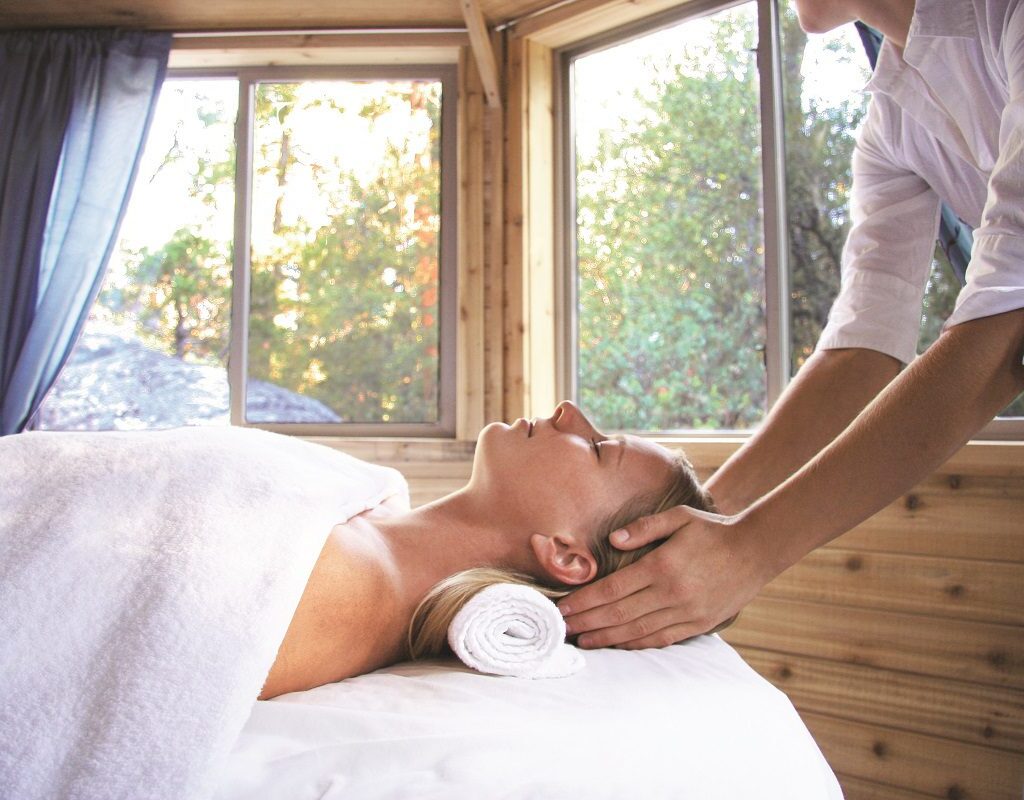
Treat yourself to a relaxing evening at the Spa at Rush Creek Lodge. The wellness experience is designed around sensory elements—stone, sound, scent, and warmth—inspired by the beauty of Yosemite. Reserve an evening treatment to turn “after dark” into full-on restoration.
Joining a Painting Party
Where: Rush Creek Lodge
Fun for kids and adults, an evening Yosemite Paint Party lets you unleash your inner Picasso under the tutelage of a local artist. You’ll receive step-by-step guidance to paint an iconic view on canvas. The take-home makes a fantastic souvenir of your stay.
Taking Glass Blowing Classes
Where: Rush Creek Lodge
For a memorable experience, book an evening Glass Blowing Experience while you’re in Yosemite. An instructor walks you through the basics of working with hot glass as you create your own piece of art. (Take-home pieces typically need overnight cooling, so plan to pick them up the next day.)
Crafting Keepsakes
Where: Rush Creek Lodge
If you’re looking for a low-key, relaxing night in, check the lodge’s craft schedule for hands-on activities. Gemstone bracelet-making and cross-stitch classes provide Yosemite-inspired keepsakes and an evening of fun. Most are beginner-friendly and open to all ages.
Yosemite Park Ranger Programs Available After Dark
The park hosts various evening ranger programs and events worth checking out. Browse the park’s calendar to discover what’s new.
Campfire Talks and Presentations
Where: In the Park (meeting locations vary by activity)
The park’s free weekly Evening Ranger Programs feature campfire talks and presentations on natural and cultural history. Topics and interpretive programs may vary by season.
Ranger-Led Night Hiking
Where: In the Park (mostly the Valley)
Yosemite National Park hosts a variety of naturalist walk programs for evening adventures. Examples include a guided nature walk by flashlight and a meadow exploration with star viewing. Reservations are required, and availability and timing change seasonally.
Tip: Ask our Recreation Desk about evening options and how they fit your trip timing if you’re trying to avoid driving in the dark.
Seasonal Nighttime Events in Yosemite National Park
Certain events at Yosemite require a little more effort to time right, but these provide unforgettable, exclusive experiences. Here are a couple of nighttime activities worth planning a trip around.
Searching for Moonbows
Where: In the Park
Visible only during spring and early summer, the elusive lunar rainbows—“moonbows”—are a prized Yosemite sighting. They require the right combination of moon phase, clear skies, and waterfall flow.
Tip: If you’re aiming for a moonbow night, our Recreation Desks can help you think through timing and where to go.
Winter Firefall Viewing
Where: In the Park at Horsetail Fall
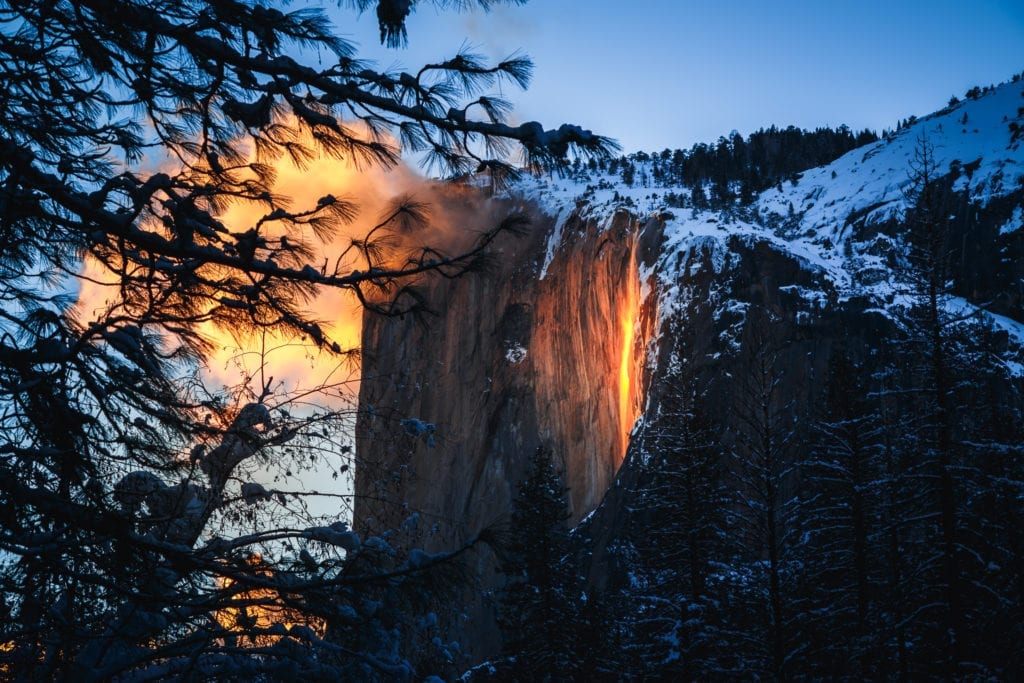
Take an evening excursion to view Horsetail Fall’s Firefall phenomenon. This happens yearly in mid- to late-February, and our evening shuttle services will put you in the perfect place for viewing. Reserve your spot with our Recreation Departments.
Frequently Asked Questions
What is there to do in Yosemite at night?
Yosemite keeps vacationers entertained with different activities each evening, from guided and solo stargazing to ranger-led adventures and crafts, beer tastings, and live music at the resorts.
Can you enter Yosemite National Park at night?
Yes, the park is open 24 hours a day, 365 days a year, conditions permitting, although some areas are not accessible at night (Hetch Hetchy entrance station is daytime-only), and seasonal road closures can affect where you can go. To avoid complications, look for ranger-led activities or add on-site entertainment to your itinerary and stick near the resort.
Can you stargaze in Yosemite?
Absolutely. The dark skies in the Valley are ideal for stargazing, and Rush Creek Lodge and Evergreen Lodge offer amazing experiences, complete with telescopes and educational guides.
Can you see the Milky Way from Yosemite Valley at night?
Yes, you can often see the Milky Way at night with the naked eye from many Yosemite locations. If you bring a telescope or astronomy binoculars (or opt for a guided stargazing experience), you’ll get to see planets, star clusters, and many other wonders.
Ready To Enjoy Yosemite All Day and After Dark?
Now that you know what to do in Yosemite at night, finish your plans by exploring accommodations at Rush Creek Lodge at Yosemite, Evergreen Lodge at Yosemite, and Firefall Ranch at Yosemite. Booking your stay at our lodges near Yosemite makes vacation entertainment effortless, whether you prefer daytime exploration, evening adventures, or a little of both. Every resort offers visitors access to activities night and day. As always, we’ll be on hand to help you plan the perfect Yosemite getaway.
First Light Resorts at Yosemite is thrilled to share three significant improvements that pave the way for travelers the world over to visit Yosemite with greater ease and care than ever before.
You’ll want to spend at least two days in Yosemite for time to see the national park’s main sights beyond El Capitan, from Grizzly Giant Loop to Hetch Hetchy. Don’t worry, you aren’t the only person wondering how many days in Yosemite are enough to do everything you want. With at least two days and some careful planning, you can see the main sites.
The number one mistake visitors often make is planning to do more than is possible. You can cover a lot of ground in one day, but you can’t see it all. Our itinerary spans four days so you can make the most of your trip. How many days you need in Yosemite comes down to which sites you’re most excited to visit. Here’s how we break it down:
Yosemite Itinerary Breakdown
Day One
Day Two
Day Three
Day Four
Essential sights and trails Choose 2–4: Lower Yosemite Falls TrailMerced RiverMist TrailVerna FallsNevada Falls John Muir Trail
Forests and lookout points Choose 4–6: Mariposa GroveGrizzly Giant LoopGlacier PointTaft Point Trail Sentinel Dome TrailBonus hike (listed below)
Hikes surrounding water features. The top sights, plus options like: Hetch Hetchy ReservoirO’Shaughnessy DamWapama Falls TrailCarlon Falls TrailForesta Falls TrailLittle Nellie Falls TrailLookout Point Trail
These trails offer fantastic views of the Valley, Half Dome, El Capitan, and other gems. No matter how many days you have to spend in Yosemite, whether it’s two or four, we have an itinerary for you.
When you visit Yosemite, how many days you spend exploring is up to you, but we recommend setting aside at least two days to cover the essential sites. You’ll also want three or four days to visit some beloved watering holes. Here’s how we’d plan a two- to four-day trip to Yosemite National Park:
Four-Day Yosemite Itinerary Overview
Day One
Day Two
Day Three
Day Four
Morning
Lodge breakfast, Tunnel View, Bridalveil Falls, El Capitan, Cook’s Meadow Trail, Lower Yosemite Falls Trail
General Store for breakfast and snacks, Mariposa Grove, Grizzly Giant Loop
Lodge Breakfast Gaylor Lake Trailhead, Tuolumne Meadows, Soda Springs
Lodge Breakfast, Hetch Hetchy Reservoir, O’Shaughnessy Dam, Wapama Falls Trail, Carlon Falls Trail, Foresta Falls Trail, Little Nellie Falls Trail, Lookout Point Trail, picnic at Reservoir whenever hunger strikes
Afternoon
Picnic at Merced River, Mist Trail, Verna Falls, Nevada Falls, John Muir Trail
Picnic at Mariposa Grove or Glacier Point, Glacier Point, Taft Point Trail, Sentinel Dome Trail
Tenaya Lake, picnic around the lake, Olmsted Point, May Lake Trail
Evening
Dinner and s’mores at the Lodge
Dinner at the Lodge, stargazing on the patio
Dinner at the Lodge
Dinner at the Lodge, rest before traveling
Bonus: Don’t forget to stop and explore as you follow this itinerary. While planning is important when visiting any national park, so is a bit of spontaneity. There are numerous lookout points and smaller trails all over Yosemite that you won’t want to miss.
Head out on Mist Trail and branch off to Verna Falls, Nevada Falls, or the John Muir Trail
Enjoy dinner and s’mores at the Lodge
1. Breakfast
To ease into your first day in Yosemite, we recommend an early start and a hearty breakfast to fuel the day. Our Yosemite Hotels offer a delicious made-to-order breakfast, served 7–10:30 a.m. daily. Be sure to purchase the Bed & Breakfast package (available at all three hotels) for the best value.
2. Morning Activities
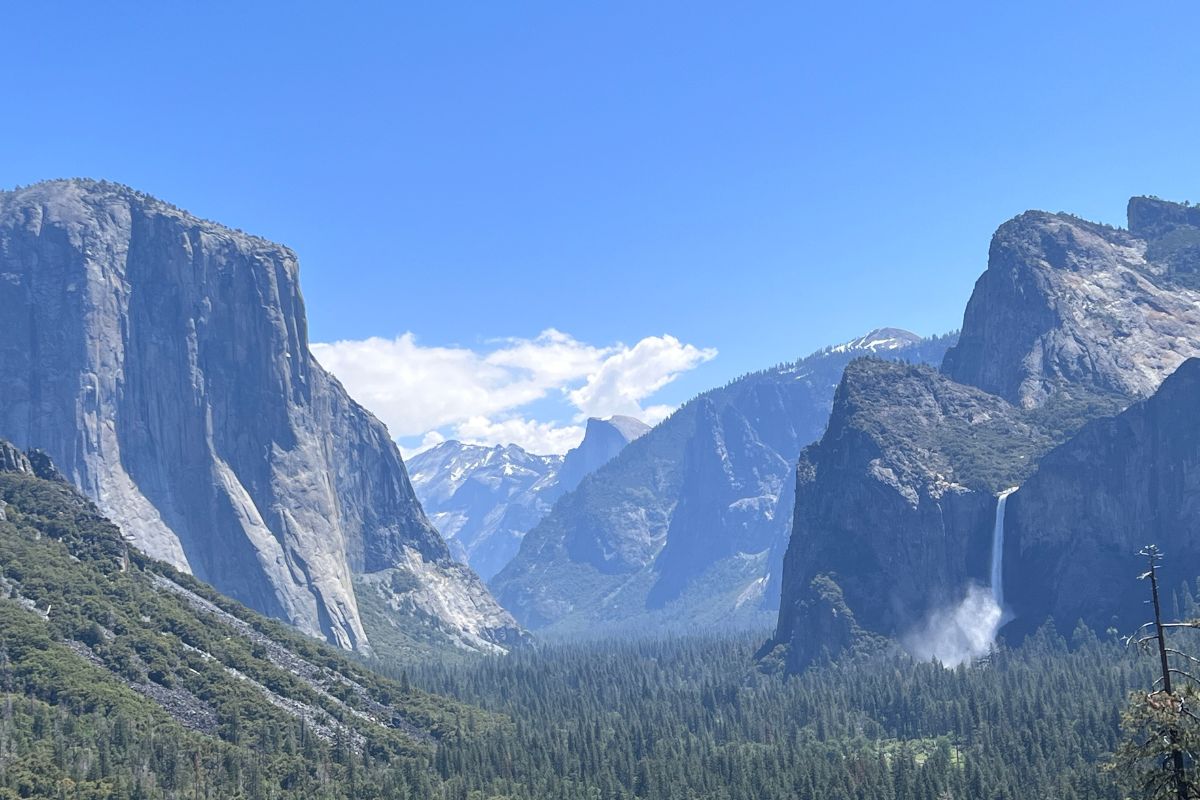
For the best first impression, take Wawona Road into Yosemite Valley. Drive through the Wawona Tunnel and reach your first destination, Tunnel View. This is the best-known view of Yosemite, made famous by photographer Ansel Adams.
Bonus: Visit the Ansel Adams Gallery in Yosemite Valley. Professional prints, including photos of the top sights you experienced on your vacation, are available for purchase.
Just past Tunnel View, you will find your first hiking trail to Bridalveil Falls on the right. This hike is 1.2 miles round trip and rated as easy. Bridalveil Falls is one of the waterfalls that dries up later in the year, so you will only see water during the spring and early summer.
Jump back in the car and head a little further into Yosemite Valley to get your first up-close-and-personal view of El Capitan. This granite monolith stands about 3,000 feet high. From the park’s telescopes, you can look up and see the extreme rock climbers making their way to the top.
Bonus: If time allows, hike over to El Capitan Meadow just below the giant monolith. You might have the chance to talk with one of the extreme rock climbers just before they start their climb. The view looking straight up from below gives you a whole new perspective.
Once in the Valley, find a good parking spot. Any location works, since you’ll be exploring the Valley throughout the day.
The best way to get acquainted with Yosemite Valley is to hike the Cook’s Meadow Trail. This hike is a 2.25-mile loop around the Valley and rates a 2 out of 10 in difficulty. It can be completed in one to two hours.
Cook’s Meadow Trail will give you multiple vantage points of Yosemite Falls and Half Dome. You can also see the Sentinel Bridge, Sentinel Beach, Yosemite Chapel, the Swinging Bridge, and the Yosemite Lodge. At the Lodge, explore the Food Court, Coffee Corner, Gift Shop, and the Ansel Adams Gallery.
We highly recommend making time for the Lower Yosemite Falls Trail. It branches off the main trail just east of Yosemite Lodge and only adds a half mile to your hike. The views are worth it, even if you visit when the waterfall is dry. Yosemite Falls stands over 2,400 feet and is the tallest waterfall in North America.
Bonus: On your next Yosemite vacation, plan to hike the Upper Yosemite Falls Trail. This hike is 7.6 miles round trip and rates high on the difficulty level, but the views are well worth it.
3. Lunch
After a slam-packed morning, a picnic lunch along the Merced River is a great way to break on your first day in Yosemite.
Alternatively, head to Curry Village on the east end of the Valley next to the campground office. Pizza Patio serves delicious pizza and ice cream to refuel you for the afternoon activities.
4. Afternoon Activities
Now that your legs are warmed up and your belly is full, it’s time for one of the most famous hikes in Yosemite. Just past Curry Village and the campgrounds (approximately three-quarters of a mile), you will find the Mist Trail Trailhead. There are a couple of options for this hike, depending on how much daylight you have left and how many more steps you want to take. Both of the waterfalls on this hike still flow steady into the summer months.
The first sight you come to on the Mist Trail is Vernal Falls. By this point, you will have encountered some slightly steep stone stairs cut into the mountainside and a medium level of exertion. If you turn back now, you will complete a 3-mile hike when you reach the trailhead.
If you continue, you will reach the top of Nevada Falls, putting yourhiking skills to the test. This is the highest and closest you can get to Half Dome without a lottery permit.
Note: A permit is required to hike to the top of Half Dome seven days per week. If you would like to apply for a permit, learn more here.
Once you reach the top and take some awesome photos, retrace your steps back down the Mist Trail. When you reach the trailhead, you will have completed 7 miles. Or jump onto the John Muir Trail to return to the trailhead. This route won’t add much more time or many more steps, but you can catch even more incredible views. One amazing viewpoint lets you see Nevada Falls, Liberty Cap, and the smooth backside of Half Dome.
Once you make it back to your car, it’s time to call it a day and head back to the Lodge.
5. Dinner & S’mores
Grab dinner at the main dining building or on the outdoor patio. Dinner is served from 5 to 9 p.m. during the winter, and until 10 p.m. in the summer. After dinner, head over to the fire pit and toast some s’mores for dessert. But don’t stay up too late, tomorrow is a big day!
Day Two in Yosemite National Park
If you only have a couple of days to spend at the national park, use Days One and Two as your Yosemite two-day itinerary. If you’re visiting between mid-November and May, Day Two’s activities are not possible, so we recommend doing Day Four’s itinerary on Day Two.
Day Two Yosemite Itinerary at a Glance:
Start at the General Store for a grab-and-go breakfast and to stock up on snacks and water
Drive to Mariposa Grove
Hike the Grizzly Giant Loop
Drive to Glacier Point
Hike Taft Point Trail and Sentinel Dome Trail
Take a brief hike at the end of Glacier Point Road for a surprising view
Enjoy dinner at the Lodge
Stargaze on the patio
1. Breakfast
Since today’s sights are a bit further of a drive, we recommend stopping by the General Store and grabbing breakfast to go. Pick up some delicious made-to-order lattes, breakfast pastries, and make-your-own granola. Stock up on snacks and water while you are here. Today is also the day to pack a picnic lunch. The General Store carries all the supplies you’ll need.
2. Morning Activities
You can enter the park from multiple points to reach the Mariposa Grove from your Yosemite Hotel. The turnoff is where Highway 41 turns into Wawona Road, south of the Valley. This grove is the largest inside Yosemite with 500 giant mature sequoias. (You will have a chance tomorrow to see the other two sequoia tree groves.)
The best hike for your steps is the Grizzly Giant Loop. This trail is two miles with a medium level of difficulty. Along the way, you’ll see:
The Fallen Monarch – a fallen sequoia approximately 15 feet wide at its base
The Bachelor & Three Graces – a quartet of sequoias
The Grizzly Giant – the largest and oldest sequoia in the grove, measuring 30 feet in diameter and an estimated 1,800 years old
The California Tunnel Tree – the only living sequoia with a man-made tunnel drilled through the base
3. Lunch
Depending on what time you finish up your morning activities, enjoy your picnic lunch in Mariposa Grove or at the next destination, about an hour’s drive north.
4. Afternoon Activities
Further up Wawona Road, you will find the turnoff to Glacier Point. This vantage point gives you a view of Yosemite Valley and Half Dome from above and to the south. Just before you reach the top, stop off for a couple of hikes along the way.
Taft Point Trail is 2.2 miles round trip with a great view of the Valley. As you approach the top of Taft Point, you’ll begin stepping over large vertical rock fissures.
Sentinel Dome Trail is 2.2 miles round trip with amazing views of El Capitan, Yosemite Falls, and Half Dome. This trail is a bit steeper than the one to Taft Point, but both are rated a 3 out of 10 for difficulty.
A loop connects these two trails, totalling 4.9 miles. We recommend returning to the trailhead between hikes to grab water and use the restroom. Hiked separately, these two trails will take about 3 hours to complete.
The last view of the day is just 7.5 miles further up the road. Jump in your car and head to the end of Glacier Point Road for a short half-mile hike to the top. Words can’t describe this view — you’ll know what we mean when you see it!
5. Dinner & Stargazing
We know you will be tired after your full day of hiking and breathtaking scenes. Opt for dinner on the patio and some stargazing with your dessert.
Day Three in Yosemite National Park
Just like before, if you can’t stay the full four days, treat Days One, Two, and Three as your complete three-day itinerary to Yosemite. Today’s list can be completed in the order listed or in reverse, since they all take place along Tioga Road. Most of this Day Three itinerary is not possible if you’re visiting Yosemite during the winter, though the sequoia groves on the west end of our path remain accessible.
Day Three Yosemite Itinerary at a Glance:
Fuel up with breakfast at Evergreen Lodge
Start at the Gaylor Lake Trailhead and set out to see all three lakes
Drive to Tuolumne Meadows
Hike to Soda Springs
Head to Tenaya Lake for a swim or some hikes
Picnic around the Tenaya Lake
Visit Olmsted Point
Explore the May Lake Trail
Enjoy dinner at the Lodge
1. Breakfast
You will need to start early today and pack your lunch for the adventures. For breakfast, we recommend the Evergreen Lodge for S’Mores French Toast made with graham cracker crumbs, marshmallow fluff, and chocolate. Or pick another delicious item off the Evergreen Lodge menu.
2. Morning Activities
These are all of our favorite sites and trails along Tioga Road. Choose which ones you’ll explore, but we recommend taking the longest drive in the morning to the far east end of Tioga Road.
The first stop is Gaylor Lake Trailhead. There are technically three Gaylor Lakes: The designated trail takes you from the road, up a steep mountainside, and into a valley to see Middle Gaylor Lake. You can follow the trail upward past Gaylor Peak to Upper Gaylor Lake. On your way back to the trailhead, step off the beaten path and explore the valley to see Lower Gaylor Lake.
Once back at the car, head to the next destination: Tuolumne Meadows and Soda Springs. These sprawling meadows are stunning, and the 1.5-mile hike to Soda Springs offers views of the winding, clear river with granite mountains and forests in the distance. Soda Springs is a small, carbonated spring with water bubbling from the ground. Explore some of the smaller trails if you have time.
3. Lunch
The next stop is Tenaya Lake. Pack a swimsuit and take a dip in this glacier lake, but be warned, it will be chilly. Or take the 2.5-mile hike around Tenaya Lake to get even more incredible views. There are plenty of picnic areas around the lake when you’re ready to take a break.
4. Afternoon Activities
Olmsted Point is five minutes farther up the road. From this vantage point, you can look into the Valley in the opposite direction of Tunnel View with a view of the northeast side of Half Dome. You can also see Tenaya Lake and Tenaya Canyon.
May Lake Trail offers a shorter and a longer hike. The trailhead is 1.8 miles off Tioga Road on May Lake Road. The shorter leg of this hike is 2.5 miles round trip to Mary Lake and back, with amazing views of Mt. Hoffmann along the way. Or you can complete the full 6-mile hike up Mt. Hoffmann.
Bonus: If you visit Yosemite during the winter and aren’t able to access Mariposa Grove, be sure to check out the Merced Grove and Tuolumne Grove on the west end of Tioga Road. These groves don’t have quite as many giant sequoia trees as Mariposa — Merced has 20, Tuolumne has 30 — but they’re still breathtaking. The trail to Tuolumne Grove is 2.5 miles round trip. The trail to Merced Grove is 3 miles round trip, slightly more difficult, and the least crowded of all three.
5. Dinner & Relaxing
After all that hiking, let us make you dinner. We recommend the Fried Brussels Sprouts to start, the Grilled Trout for dinner, and a Classic Root Beer Float to finish it off. After a delicious dinner at Evergreen Lodge’s restaurant, get a good night’s sleep. Tomorrow’s your last day, and it won’t disappoint.
Day Four in Yosemite National Park
Day Four Yosemite Itinerary at a Glance:
Start strong with a hearty breakfast at Rush Creek Lodge
Drive to Hetch Hetchy Reservoir
See the O’Shaughnessy Dam
Hike Wapama Falls Trail and Rancheria Falls Trail
Enjoy a picnic lunch when the mood strikes
Consider exploring Carlton Falls Trail, Foresta Falls Trail, Little Nellie Falls Trail, and Lookout Point Trail
Dine at Rush Creek Lodge
1. Breakfast
Since it’s your last day, go all out. Enjoy a delicious Lodge Omelet with hashbrowns, sourdough toast, and coffee, or choose another breakfast entree from the Rush Creek Lodge menu.
2. Morning & Afternoon Activities
For your last day at Yosemite National Park, visit the Hetch Hetchy Reservoir, the closest Yosemite sight to our hotels. Prior to the dam’s completion in 1938, visitors claimed it looked like a mini Yosemite Valley. Today, it’s a large lake filled with 117 billion gallons of water held up by the O’Shaughnessy Dam. There are plenty of picnic spots around the Reservoir, so grab the cooler and enjoy lunch whenever you’re ready.
Bonus: Due to its lower elevation, Hetch Hetchy is a must-visit spot for winter vacations, as most of the area is accessible.
The most popular trail around Hetch Hetchy is the Wapama Falls Trail, a 5.5 mile round trip rated at a moderate level of difficulty. The bottom 400 feet of this waterfall are under the reservoir, but the top 1,400 feet are still visible and incredibly impressive to see. (Note: Be careful on this trail in early spring. The gushing waterfall makes the footbridge slippery and unsafe.)
The longest trail around Hetch Hetchy is the Rancheria Falls Trail. This 13-mile round trip is an extension of the Wapama Falls Trail and rates a 6 or 7 on the difficulty level. If you are up for the challenge, you won’t find a dramatic plunge waterfall, but you will see several smaller waterfalls through a narrow canyon. Rancheria Falls’ thousand-foot drop is more gradual.
Depending on how your legs are feeling, other hiking trails include:
Carlon Falls Trail – 3.8 miles
Foresta Falls Trail – 2 miles
Little Nellie Falls Trail – 5.6 miles
Lookout Point Trail – 2.8 miles
Bonus: If you are visiting Yosemite during the winter months, combine your trip to Hetch Hetchy with an afternoon at the Merced Grove of Giant Sequoias.
Dinner & Sleep
After four days of hiking, you must be tired and hungry. Dine at Rush Creek Lodge’s restaurant before catching up on rest for your travel day. We recommend starting with the Mini Barbacoa Tacos and ordering the Bison and Pork Bolognese for your entree. Top it off with an apple galette before heading to bed.
One Day in Yosemite
While we recommend spending at least two days exploring the national park, one day in Yosemite is enough time to visit some essential sites. On a day trip in Yosemite, you can see Tunnel View, Bridalveil Falls, El Capitan, and Yosemite Valley. You can fit in some hikes and a picnic lunch with the right planning.
About Yosemite National Park
Yosemite National Park is part of the Sierra Nevada located in eastern California, about a four-hour drive east of San Francisco. For perspective, Yosemite covers 1,200 square miles — approximately the size of Rhode Island.
At its heart, Yosemite Valley is a glacier-carved valley surrounded by granite monoliths, cliffs, and waterfalls with a river running through the middle of it. Beyond Yosemite Valley, you will find giant sequoia trees, high mountain meadows and lakes, and breathtaking views of mountains and valleys.
The Seasons in Yosemite
Every season in Yosemite offers its own beauties. During spring, you will see the waterfalls flowing full and fast with spring flowers blooming everywhere. Layering your clothes is recommended this time of year for the cooler mornings, warmer afternoons, and chilly evenings.
Summer days are longer and much warmer. Depending on the snowfall from the winter, some of the waterfalls dry up or become small streams during the summer. The park is generally more crowded, with fewer parking spots and more traffic.
Fall brings colorful foliage, and most of the waterfalls dry up. The temperatures cool down, along with the number of visitors. Don’t forget your clothing layers for those cooler mornings and evenings.
Winter is very unique in Yosemite. Skiing, ice skating, and snowshoeing become possible. There are far fewer crowds, but some roads are closed. Tioga, Glacier Point, and Mariposa Grove Roads all close during the winter months, from around mid-November to early December, and won’t reopen until sometime in May. Depending on how packed the snow becomes, the plowing process can take between one and two months. The Yosemite National Park webpage keeps visitors updated with the latest plowing progress and reopenings.
Tip: The best time to visit Yosemite is late May through October to avoid park closures for winter. We find that late May and September are the best months overall, but each time of year offers different benefits. Summer is the best season to visit Yosemite if you want long, warm days to explore and don’t mind crowds. Fall makes a better choice for those who don’t mind the dried-up waterfalls if it means cooler, less crowded trails. Plan a trip for the end of August or the beginning of September for the best of both seasons.
Packing Considerations
We can’t wait for you to experience Yosemite National Park, but we want to be sure you’re safe while having fun. Please wear appropriate shoes while in the park. You’ll be walking a lot, sometimes over uneven and slippery terrain, so good shoes are a must. We also recommend keeping bug spray in your pack if you’re visiting in the summer months.
Pack plenty of water and snacks each day. Some days, you’ll need to pack a picnic lunch. Our general stores carry all of the necessities.
Daily and Annual Passes to Yosemite
For most non-commercial vehicles with 15 or fewer passengers, the entrance fee into the park is $35. This gets your vehicle and all its passengers into the park for up to seven days. This fee can be paid with a credit card upon arrival or in advance if preferred.
The National Park Service also offers an annual pass for $80. The annual America the Beautiful Pass gives your vehicle access to more than 2,000 federal recreation sites across the country, including national parks and national wildlife refuges.
Regional transit service is also available to and from Yosemite National Park, including a stop at our Rush Creek Lodge property. For the most up-to-date information on openings and closings within Yosemite National Park, please visit the National Park Service website.
See You Soon!
Yosemite National Park has so many sights to see, and these itineraries are a great starting point. If you can’t complete it all in one trip, start planning your next vacation to the national park. Yosemite Hotels will be ready with accommodations and dining options.
Two days in Yosemite is typically enough time to see many of the park’s most famous landmarks, including Yosemite Falls, Half Dome, Bridalveil Falls, Glacier Point, and El Capitan.
Is three days in Yosemite enough?
Three days in Yosemite is plenty of time to visit many of the park’s most famous bodies of water, including Soda Springs, Tenaya Lake, and the Gaylor Lakes. You’ll also have time to see the magnificent sequoias in Merced Grove and Tuolumne Grove.
What is the best month to go to Yosemite?
The best month to go to Yosemite is late May or early September, when there are fewer crowds and the temperatures are milder. However, depending on what you’re hoping to experience, every season can make a case as the best time of the year to visit Yosemite.
How long does it take to go through Yosemite National Park?
The drive through Yosemite Valley is about 14 miles and takes about 30 minutes to drive, depending on traffic. You can easily make a full day out of your drive thanks to the many lookouts and hikes along the way.
How many days are required for Yosemite?
We recommend spending two to four days to see the majority of Yosemite’s main attractions. You can spend as little as an afternoon in Yosemite, but you won’t experience much beyond the Valley and a peek at El Capitan.
Is Sequoia or Yosemite better?
Yosemite is better for views of granite cliffs, towering waterfalls, and the sprawling Valley. While Yosemite is home to towering sequoia trees, you’re better off visiting Sequoia National Park if you’re looking for heavily forested terrain with some of the largest sequoia trees. Each park offers incredible hikes and stunning views, so you won’t be disappointed by either.
Exploring Yosemite with kids is a fantastic opportunity to spend quality family time while connecting with nature in one of the world’s most beautiful places. Yosemite National Park has earned a reputation as an ideal place to visit with toddlers, school-age kids, and teens. It is known for its stunning waterfalls and iconic rock formations, El Capitan and Half Dome. Discover one-mile, stroller-friendly loop trails or explore more challenging hikes for older kids and experienced hiking families. Whatever your pace, Yosemite offers ample opportunities for parents and children to enjoy the wonders of nature. In this guide, we explain everything you need to know about how to make your family trip to Yosemite a hit with kids of every age.
Quick-Start Guide: Is Yosemite Right for Your Family?
From toddlers to teens, Yosemite is a kid-friendly destination for families of all ages and stages. Use this quick-start summary to see if it’s the right match for your family and get tips on what to know and how long to stay.
A Family Yosemite Trip Is Best For:
Families who enjoy being outdoors together
Kids and teens who like animals, water, climbing, or wide-open spaces
Parents looking for memorable experiences beyond the usual beaches and theme parks
Ideal length of stay:
2–3 days: Hit the highlights, including easy hikes, river time, and scenic viewpoints
Take on favorite Yosemite hikes from Mist Trail to Sentinel Dome (with older kids)
Snap epic photos at Taft Point with teens
Add adventure with whitewater rafting, Jeep tours, or scenic flights
Enjoy kid- and teen-friendly amenities at Rush Creek and Evergreen Lodges, including pools, games, and nightly s’mores
Go on a guided tour and learn about the park from the experts
Visit Yosemite in winter with kids to play in the snow and take part in cold-weather sports
Unwind with campfires, stargazing, and time spent in hammocks under the trees
Yosemite Hikes With Kids
Yosemite offers numerous hiking trails that vary in difficulty, so families with older kids can take on more challenging landscapes while those with younger kids can explore scenic areas where little legs can keep pace. Use this guide to chart the best path for your crew:
Trail Name
Distance (Round Trip)
Difficulty
Recommended Age Range
Big Trees Loop Trail
~3.1 miles
Easy
All ages (stroller & wheelchair accessible)
Tuolumne Meadows Trail
~2 miles
Easy
6–12
Tuolumne Grove Trails
Varies
Easy–Moderate
Toddlers in carriers and up
Mist Trail
~3 miles round trip to Vernal Fall~7 miles round trip to Nevada Fall
Moderate–Challenging
8+
Sentinel Dome Trail
~2 miles
Moderate
8+
Taft Point Trail
~2.2 miles
Moderate
Teens
Note: Tioga Road access to Tuolumne Meadows and nearby trails typically closes from late October through late May, depending on snow conditions. Always check the current park conditions before planning your day.
Sample Three-Day Itinerary
Here’s a sample three-day Yosemite with kids itinerary designed to inspire you and help you prioritize must-see spots.
Day 1: Score Easy Wins at Iconic Sites
Your first day in the park should account for travel time. We recommend a low-effort exploration day that balances rest with getting a peek at some big scenery:
Morning: Arrive at the park. Walk the Big Trees Loop Trail and let kids explore nearby meadows.
Midday: Grab lunch and then spend splash time at Sentinel Beach or Swinging Bridge along the Merced River.
Afternoon: Ride the Valley Floor open-air tram tour — an easy way to see El Capitan, Bridalveil Fall, and Half Dome without tiring out the little ones.
Evening: Check into your lodge and relax with dinner and downtime. Cap off the night around the campfire with s’mores and stargazing.
Day 2: Choose Your Adventure
With everyone rested up and ready to go, fill your second day in the park with adventure, exploration, and learning:
Morning: Fuel up with a hearty breakfast at the lodge, then join the Junior Ranger program. Complete activities and attend the ranger swearing-in.
Midday: Pack a picnic lunch and take an easy or moderate hike. Snap plenty of pictures.
Afternoon: Check in with the family. If energy is running low, relax at the lodge with swimming, games, arts and crafts, or nap time. For bigger kids with enthusiasm to spare, join a guided tour or choose a seasonal adventure: skiing or tubing in winter and whitewater rafting and biking in Yosemite Valley in the warmer months.
Evening: Enjoy a big family dinner to end your busy day. Play games at the parlor or relax by the fire until bedtime.
Day 3: Make Memories Before Departure
Spend your last day in the park exploring remaining must-sees. If a long trip home awaits you, keep things low-key and revisit a few of your favorite spots:
Low-Key Activities: Take one last stroll through the meadows, watch the wildlife, play in the river or at the lodge, and get final family photos.
Active Adventures: Challenge older kids and teens with a tougher hike on Mist Trail or Vernal Fall. For epic views and breathtaking photo ops, visit Sentinel Dome or Taft Point.
Wrap-Up: Recover from the morning with lunch in the valley, and then get packed to go. Or choose to extend your stay!
Frequently Asked Questions About Yosemite With Kids
Before planning your trip, let us answer some of the most frequently asked questions about visiting Yosemite with the entire family.
How Many Days in Yosemite With Kids?
Yosemite is a big park, and we recommend staying six or more days if you want to experience everything thoroughly. We know six days can be a lot for families with little ones. If you’re short on time or traveling with young children, you can hit the park’s highlights in 2–3 days. For families with older, more adventurous kids, 3–4 days might be the sweet spot. This is enough time to see the highlights, discover a few hidden gems, unwind between excursions, and participate in the Junior Ranger program or another activity.
What Is the Best Hike in Yosemite for Kids?
The best hike for kids to tackle depends on your child’s age and experience. Easier paths are short, gently graded, and paved for easy access with strollers. Older and more adventurous children might prefer longer trails with steeper climbs.
The Best Easy Hikes for Young Kids and New Hikers
We recommend introducing your littles to the magnificent trees in Tuolumne Grove, a forest of giant Sequoias. The Big Trees Loop Trail is approximately 3.1 miles round trip and paved, ideal for strollers, wheelchairs, and novice hikers. Tuolumne Grove also includes longer trails for parents hiking with kids in carriers.
The Best Moderate Hikes for Older Kids and Intermediate Hikers
An easy but beautiful hike, Tuolumne Meadows Trail meanders two miles along a flat meadow and passes Soda Springs, where carbonated water bubbles out of the ground. Tioga Road gets you there, and you can stop at the Tuolumne Grove of Giant Sequoias and Merced Grove of Giant Sequoias along the way.
The Best Challenging Hikes for Teens and Experienced Hikers
Teens can embark on more advanced hikes and adventures. The Taft Point trail comes to a breathtaking photo op thousands of feet above the stunning Yosemite Valley and the High Sierra. Other challenging hikes that teens and experienced older kids will enjoy include the Mist Trail and the Sentinel Dome Trail.
Do Kids Need Hiking Boots in Yosemite?
If you’re hiking in Yosemite, your kids need hiking boots — and so do you. Proper equipment, especially footwear, is important when visiting Yosemite National Park. Spring and winter conditions require waterproof shoes due to wet trail conditions.
Can You Do Yosemite With a Toddler?
You can absolutely do Yosemite with a toddler. Many of the park’s lower trails are easy to walk for young kids, and friendly for parents to navigate with strollers or carriers. Every corner of the park has something beautiful to see, so you won’t miss out on scenic landscapes and fantastic photo ops even if you plan your visit around the comfort of your little one.
Is Yosemite stroller friendly?
Yes, many Yosemite Valley trails are paved and stroller-friendly, including the Big Trees Loop Trail and valley paths near meadows and rivers. Families with toddlers can easily enjoy scenic views without strenuous hiking.
Where Is the Best Place To Stay in Yosemite With Kids?
Our kid-friendly Yosemite lodges are some of the best places for families to stay. We have three properties suited for guests of different ages, interests, and activity levels. Whether you’re looking for glamping options to connect with nature, fun-packed activity packages perfect for kids, or spa escapes for tired parents, there’s something for everyone.
Evergreen Lodge: This property offers comfortable family cabins, custom camping sites, and private cabins if you’re traveling with a group. Amenities include daily activities, outdoor fun and games, a toddler play zone, 25-seat theater, parlor game area, and a spa and wellness program.
Rush Creek Lodge: Choose between tasteful and comfortable lodge rooms, suites, or spacious two-bedroom villas. Guests can enjoy guided tours, family activities, and a resort-style indoor/outdoor spa.
Firefall Ranch: Our newest property invites guests to slow down in the luxury and privacy of family-friendly cottages and villas. Join daily and nightly activities from guided adventures to fireside s’mores, or unwind at the resort-style spa at Rush Creek.
Exploring Yosemite with kids is a chance to slow down, reconnect, and experience one of the country’s most awe-inspiring landscapes while bringing your family together. With the right mix of easy and moderate hikes, scenic viewpoints, and family-friendly activities, your trip can be both manageable and magical.
Explore our kid-friendly Yosemite lodges to find your home base. Got questions? Our team is here to help! Get in touch and let us help you plan the perfect trip for your family’s adventure style.
There’s no place like Yosemite National Park to watch the sunrise. Rosy dawn colors the sky as the light edges over the horizon, highlighting towering granite cliffs, sparkling waterfalls, and lush valleys. In the early morning, the air is fresh, the crowds are small, and the sense of untouched beauty takes your breath away.
Everyone should experience the sunrise in Yosemite at least once, and we created this guide to share our favorite places to be when dawn breaks in the park. The best places to watch a Yosemite sunrise include Glacier Point, Panorama Trail, Tunnel View, Sentinel Bridge, Valley View, and Vista Point Big Oak Flat. We’ll cover where to find each of the best sunrise spots, offer insider insights, provide tips for planning your visit, and answer frequently asked questions to help you make the most of your early hours in the park.
Glacier Point
Glacier Point offers one of the best sunrise views in Yosemite, but many visitors don’t make the journey because the road can be long and dark before dawn. This means smaller crowds and a tranquil, almost-private viewing experience as you watch the sun summit over Yosemite.
Where: Glacier Point is about an hour drive from Yosemite Valley along Glacier Point Road. The overlook sits at 7,214 feet and offers a sweeping, unobstructed view of Half Dome, Yosemite Valley, and the High Sierra.
Best For: Iconic, panoramic sunrise views; dramatic photography; a quiet vantage point with plenty of space to spread out. Perfect for travelers who want a Yosemite sunrise snapshot without dealing with crowds.
Arrive By: Plan to arrive 30–45 minutes before sunrise to catch the full color progression and secure your preferred viewpoint.
Insider Tip: Bring a warm layer (even in summer) and keep an eye out for faint alpenglow on Half Dome before the sun crests the horizon. The soft pink-and-gold light here is some of the most striking in the park.
Panorama Trail
Panorama Trail is one of the most rewarding ways to experience a Yosemite sunrise. Stretching between Glacier Point and the Mist Trail, it offers multiple elevated viewpoints where you can watch early light sweep across Half Dome, Nevada Fall, and the expansive Yosemite Valley. If you’re hoping to pair a stunning sunrise with an all-day adventure, this is the best trail to choose.
Where: The trailhead is located near the Glacier Point Amphitheater. From there, the Panorama Trail winds 8.5 miles down toward Nevada Fall and the Mist Trail, with several scenic overlooks along the route.
Best For: Hikers who want the sunrise before a full-day trek; sweeping sunrise vistas over Half Dome; varied scenery, including waterfalls, granite domes, and forested switchbacks.
Arrive By: Aim to arrive 30–45 minutes before the Glacier Point sunrise if you want to catch dawn light before starting your hike. This gives you time to enjoy the view, take photos, and begin the trail as the morning brightens.
Insider Tip: Start your hike at Glacier Point and descend to the valley. This direction offers front-facing views of Half Dome as the sun rises. Bring trekking poles if you’re continuing past Illilouette Fall, as the downhill sections can be steep and long.
Tunnel View
Tunnel View has been an iconic vantage point since 1933 and offers one of the best sunrise views in Yosemite. As you exit the Wawona Tunnel, the entire valley unfolds before you: El Capitan rising on the left, Bridalveil Fall drifting on the right, and Half Dome anchored in the distance. It’s a sunrise spot that delivers a dramatic, postcard-perfect panoramic view.
Where: Located at the east end of the Wawona Tunnel on Wawona Road (Highway 41). There is a designated viewpoint with parking directly at the overlook.
Best For: Photographers seeking a wide, valley-spanning composition; travelers looking for a breathtaking payoff without a hike. Visitors who want Yosemite’s most iconic view should choose the Tunnel View sunrise.
Arrive By: Plan to arrive 20–30 minutes before sunrise, especially during peak season, as this popular viewpoint fills up quickly.
Insider Tip: For a quieter experience, walk a short distance up the Pohono Trail from the parking area. Even a few minutes up the trail gives you an elevated angle to view the incredible morning light on El Capitan and Half Dome.
Sentinel Bridge
Sentinel Bridge is one of the most accessible places to watch the sunrise in Yosemite Valley. Known for its stunning view of Half Dome reflected in the calm waters of the Merced River, this spot offers a peaceful place to begin the morning, no hike required.
Where: Sentinel Bridge spans the Merced River in the heart of Yosemite Valley, near Sentinel Meadow and the Yosemite Valley Lodge area.
Best For: Iconic sunrise photos featuring Half Dome and its mirrored reflection; visitors who want an easy-to-reach viewpoint; peaceful early-morning scenery without committing to a trail.
Arrive By: Arrive 15–20 minutes before sunrise to catch the sky’s early color and secure a good position along the riverbank.
Insider Tip: The reflection is best on days when the river is calm. Walk slightly upstream or downstream along the riverbank to find the clearest angle and the strongest mirror effect of Half Dome.
Valley View
Valley View offers tranquil riverfront scenery framed by towering granite. From this riverside vantage point, you’ll see El Capitan glowing with first light, Bridalveil Fall catching the morning shimmer, and the Merced River reflecting soft dawn colors. It’s a peaceful, intimate viewpoint that feels close to the valley floor’s natural beauty.
Where: Located along Northside Drive in Yosemite Valley, just past the Bridalveil Fall viewpoint and before Pohono Bridge. A small parking area sits directly beside the river.
Best For: Classic sunrise views of El Capitan and Bridalveil Fall; serene waterside photography; travelers who want a quiet, easily accessible spot with big valley scenery.
Arrive By: Arrive 20–30 minutes before sunrise to set up along the riverbank and catch the shifting colors on the cliffs and water.
Insider Tip: For the best reflections, walk a few steps down to the river’s edge. Some of the strongest compositions come from positioning your camera low to the water. After sunrise, this spot is perfectly placed for quick access to Yosemite Valley highlights, including Bridalveil Fall and Tunnel View.
Vista Point Big Oak Flat
Vista Point along Big Oak Flat Road is an easily accessible pullout where you can catch the Yosemite sunrise. From this roadside overlook, you’ll have wide-open views across rugged Yosemite Valley to El Capitan and Half Dome. It’s an excellent option for travelers who want a beautiful sunrise without navigating deep into the valley.
Where: Located on Big Oak Flat Road (Highway 120) as you descend toward Yosemite Valley. The overlook is a designated roadside turnout with clear east-facing views.
Best For: Panoramic sunrise views over Yosemite’s granite landscape; travelers seeking a convenient stop with minimal walking; quick sunrise photography before continuing deeper into the park.
Arrive By: Plan to arrive 15–20 minutes before sunrise to catch the shifting colors on El Capitan and Half Dome as the first light reaches the valley.
Insider Tip: This overlook is especially beautiful on mornings with atmospheric haze or low mist, which make the granite cliffs look dramatic in the sunrise glow. It’s also a great spot to stop again later in the day for contrasting midday or afternoon views.
Tips for Planning Your Yosemite National Park Sunrise Visit
Catching sunrise in Yosemite is an unforgettable experience, but it takes a little planning to be in the right place at the right time. Here’s what you need to know to make the early wake-up smooth and stress-free.
Best Months To Watch the Sunrise in Yosemite
While sunrise is beautiful year-round, the best months to visit are typically May through October. These months offer clearer skies, fewer road closures, and milder early-morning temperatures.
Summer (June–August): Long daylight hours make for clear, golden sunrises, but you need to arrive early to avoid crowds.
Fall (September-October): Autumn brings crisp air, fewer visitors, and beautiful warm tones on the granite.
Winter: Sunrises in winter are stunning but unpredictable; snow can close roads and delay early-morning access.
When To Arrive For Yosemite Sunrise Views
To fully experience the color progression of dawn, plan to arrive at your chosen viewpoint 20–45 minutes before sunrise. Arriving early also helps secure parking, which can be limited at popular viewpoints.
Panoramic overlooks (Glacier Point, Panorama Trail): Arrive closer to 45 minutes early.
Valley and roadside spots (Sentinel Bridge, Valley View): 15–30 minutes early is usually enough.
What To Bring To See the Sunrise in Yosemite
Early mornings in Yosemite are often cooler than expected, even in summer. A small sunrise kit will make your experience more comfortable:
Warm layers: Temperatures can be 10–20 degrees cooler at dawn.
Headlamp or flashlight: Extra light is essential for navigating parking areas or trails in the dark.
Water and snacks: Bring your own; park services are limited early in the morning.
Camera or binoculars: You don’t want to miss anything.
Sturdy shoes: Even flat viewpoints can be dewy or slick in the morning.
Small blanket or cushion: Keep yourself comfortable while you wait for the sun to rise.
Additional Tips for a Smooth Sunrise Visit
Check road conditions the evening before. Roads like Glacier Point Road or Tioga Road may close seasonally.
Know your route in advance. Cell service is limited in many parts of the park.
Watch for wildlife on early-morning drives, especially deer along valley roads.
Give yourself buffer time. Yosemite’s layout can take longer to navigate than you expect in low light.
Frequently Asked Questions About Watching the Sunrise in Yosemite
Planning a sunrise visit to Yosemite often brings up a few common questions about timing, entry, and the best spots to watch the day begin. Here, we’ve answered the most frequently asked questions to help you prepare for an unforgettable morning in the park.
What time is sunrise in Yosemite National Park?
The time of sunrise in Yosemite varies by season, so you should always check for precise times ahead of your visit. Here’s when the sunrise typically occurs each season:
Summer: 5:30–6 a.m.
Spring and fall: 6:30–7 a.m.
Winter: 7–7:30 a.m.
Be aware that the sun rises in different locations throughout the year, meaning some areas of the park may stay dimmer longer depending on the sun’s position and the surrounding cliffs.
Where is the best place to watch the sunrise in Yosemite?
Some of the best places to see a Yosemite sunrise include Glacier Point, Tunnel View, Panorama Trail, Sentinel Bridge, Valley View, and Vista Point Big Oak Flat. Each offers different scenery — panoramic overlooks, riverside reflections, or iconic valley views — so your ideal spot depends on the experience you want.
What is the best trail to see the sunrise in Yosemite?
The Panorama Trail is one of the best sunrise trails in Yosemite. Starting at Glacier Point, it offers several elevated viewpoints with stunning dawn light on Half Dome, Nevada Fall, and the valley. It’s ideal for hikers who want a sunrise moment at the start of a rewarding full-day trek.
Can I enter Yosemite Park before 5 a.m.?
Yes. You can enter Yosemite at any time, including before 5 a.m. Early entry is encouraged for sunrise viewing, photography, or avoiding congestion during peak season. Check whether an entrance reservation system is in effect during your visit. If so, you’ll need a valid reservation regardless of entry time.
Is sunrise at Yosemite worth it?
Absolutely! Sunrise is one of the most magical times to experience Yosemite, even if you aren’t an early riser. The soft light on the granite cliffs, calm morning air, and smaller crowds make dawn a uniquely peaceful and photogenic moment in the park. Many travelers consider it one of the highlights of their entire Yosemite trip.
If you’re looking for where to watch the sunrise in Yosemite, there are plenty of spots to choose from. Yosemite is known for its beautiful landscapes and unbeatable natural views, meaning a picture-perfect sunrise is never too far away. Rise and shine when you pick from our Yosemite hotels, conveniently located less than 10 miles from Yosemite’s Big Oak Flat entrance and Yosemite’s west entrance.
Because the national park is open 24/7, 365 days a year, you can plan your visit to Yosemite in summer or winter. When the weather’s warm, Yosemite’s sun-drenched landscape is lush with rushing rivers, open access roads, and wildflowers in full bloom. Come winter, the park transforms into a frosted wilderness retreat, featuring winter sports activities and peaceful scenery. Both summer and winter have plenty to offer on a visit to Yosemite, from camping and stargazing to frosty nature walks, skiing, and snowshoeing.
In this guide, we cover what to expect when visiting Yosemite in summer or winter, along with the best things to do in each season so you can plan your trip for any time of year.
Visiting Yosemite National Park in Summer
Yosemite is absolutely worth visiting in summer, when the park is at its most vibrant. Waterfalls surge, trails are open from valley floor to alpine peak, and long daylight hours invite extended exploration. Summer is the most popular time of year for camping in Yosemite, and it is typically the season with the biggest crowds. Here’s what to expect:
Rain is rare in Yosemite in the summer, so expect warm, sunny days with average temps anywhere between the 70s to 90s, depending on elevation.
Nighttime temps typically average in the 40s—cool and comfortable for camping under open skies.
Anticipate peak crowds from June through August. We suggest making lodging reservations in advance and getting an early start on your adventures to avoid crowded landmarks.
Most of the park’s trails and roads are fully open during summer, letting you explore the far corners of what Yosemite has to offer.
Although the park is always open in summer and winter, some entrance stations have restricted hours. For example, the Hetch Hetchy gate is only open during daylight hours.
Top Things To Do in Yosemite in Summer
Summer is when Yosemite National Park is most accessible and alive. Here are some of our favorite things to do:
Drive to Glacier Point and Tioga Road: Get swept away by the stunning beauty of the alpine lakes and wildflower meadows. Glacier Point is only accessible in late spring and summer.
Chase Waterfalls: See Yosemite Falls, Bridalveil Fall, and Vernal Fall at their fullest in early summer.
Explore Yosemite Valley by Bike or Shuttle: Enjoy iconic views of Half Dome and El Capitan without the parking stress.
Trek Yosemite’s Iconic Trails: The Mist Trail, Yosemite Falls Trail, or Panorama Trail offer some of the best hikes in Yosemite in summer.
Go Rock Climbing or Bouldering: Experience Yosemite’s world-famous granite, or watch climbers scale El Capitan. Summer climbers typically start early or wait until evening to avoid midday heat.
Cool Off in the Merced River: Swim, wade, or raft along gentle river sections that flow through Yosemite Valley.
Camp or Picnic Under the Stars: Warm nights and clear skies make for perfect evenings outdoors.
Go Wildlife Watching: Get in touch with your wild side and bring the camera to catch shots of bobcats, mule deer, black bears, and other long-term residents of the park.
Capture a Panorama: Photograph the golden glow from Tunnel View or Sentinel Dome. In summer, the park is picture-pretty anywhere you look.
Visiting Yosemite National Park in Winter
In winter, Yosemite becomes a snowy wonderland of cozy lodges, frozen waterfalls, and smaller crowds, and the season invites a slower pace for exploration and reflection. Trails in Yosemite Valley stay open for crisp, peaceful walks, while higher elevations transform into playgrounds for snowshoeing, skiing, and photography. Wondering how to visit Yosemite in winter? The first step is knowing what to expect:
Through winter, daytime temperatures often range from the 30s to 50s, dipping below freezing at night.
Prepare for snow. Winter is when 75% of Yosemite’s precipitation falls, and mostly in the form of snow.
Many valley trails stay open for hiking, but visitors should note that Tioga Road closes for the season and Glacier Point Road is closed to vehicles past the Badger Pass Ski Area.
Yosemite Valley remains open year-round, with plowed roads, clear signage, and easy access to many of the park’s most iconic lookouts.
Although it is less crowded than in summer, it’s still a good idea to book Yosemite winter lodging in advance, particularly ahead of weekends and holidays.
Top Things To Do in Yosemite in Winter
There’s no shortage of ways to experience the park’s magic when it’s cold. Here are some of the best things to do in Yosemite in winter:
Go Snowshoeing or Cross-Country Skiing: Explore peaceful trails around Merced Grove, Tuolumne Grove, and cross-country skiing at Crane Flat for a one-of-a-kind winter experience.
Try Downhill Skiing or Snowboarding: Hit the slopes at Badger Pass, California’s first ski area, with runs suited for all skill levels.
Take a Winter Hike: Enjoy lower-elevation trails in Yosemite Valley. Mirror Lake, Lower Yosemite Fall, or Cook’s Meadow Loop are a few of the best hikes in winter — ideal for crisp, scenic walks.
Make Camp: Grab your warmest sleeping bag because you can camp in Yosemite even in winter. Select campgrounds are open through the winter season, though many are first-come, first-served, or require reservations.
Capture Yosemite Waterfalls in Winter: Photograph the dramatic icy spray of Bridalveil Fall or the misty power of Yosemite Falls framed by snow. February is also the only time of year you can see the spectacular Firefall.
Visit Tunnel View or Valley View: These iconic overlooks are especially striking with snow-dusted granite cliffs and low winter light.
Watch for Wildlife: Spot deer, coyotes, and birds adapting to the colder season. They’re often easier to see with fewer crowds around.
Ice Skate at Curry Village: Glide beneath the granite walls of Half Dome at this classic seasonal rink.
Join a Guided Program: Learn about Yosemite’s winter ecology, wildlife, and geology through guided snowshoe walks and talks.
Planning Your Visit in Summer or Winter
There’s no best time of year to visit Yosemite because each season has something special to offer. Summer brings energy, accessibility, and long days filled with sunshine and adventure — perfect for hikers, families, and first-time visitors. Winter offers quiet beauty, snowy landscapes, and a sense of solitude that’s rare in such an iconic place. Both seasons reveal Yosemite’s character in distinct ways, inviting you to decide whether you want to feel the park’s pulse or its peaceful stillness.
No matter when you visit, Yosemite’s beauty never takes a season off. Contact us to start planning your trip today, and let Yosemite Hotels show you just how unforgettable every season can be.
Yosemite is one of the few U.S. national parks where visitors can enjoy most of the highlights from the comfort of a private vehicle. Whether you’re planning a full road trip or a short loop, driving through Yosemite National Park is one of the best ways to see its granite cliffs, waterfalls, and giant sequoias. Roads are clearly marked, and most major viewpoints and trailheads have parking areas so you can pause to take in the sights.
When driving through Yosemite National Park, you’ll want to prioritize the most scenic routes, including Tioga Pass and Glacier Point, and plan ahead for the best experience. In this guide, we’ll share our favorite drives and offer practical advice to help you make the most of your Yosemite adventure.
The park’s stunning roadways wind through ancient forests, towering granite peaks, and lush meadows, offering lookouts and photo stops along the way. Whether you’re crossing the Sierra Nevada on Highway 120 through Yosemite, cruising up to Glacier Point, or exploring the Yosemite Valley Loop, each drive reveals a new side of the park’s natural beauty. Learn more about the best scenic drives in Yosemite National Park, including practical details and insider tips for making the most of your time on the road.
1. Tioga Pass (Highway 120 Through Yosemite)
The Big Oak Flat Entrance is just over 54 miles from the Tioga Pass Entrance along Highway 120, and the route is one of the best scenic drives in Yosemite National Park. Open roughly late May to early November, it climbs above 9,900 feet with sweeping views of granite domes, alpine lakes, and meadows. Driving straight through takes around 1 1/2 hours, but we recommend adding a few photo stops along the way.
Top stops: Merced and Tuolumne Groves, Olmsted Point, Tenaya Lake, and Tuolumne Meadows
Fuel: Chevron 8 miles before Big Oak Flat Entrance (west side)
Access: Closed in winter; check NPS for road status before travel
Tip: Start early, bring layers for high-altitude weather, and download offline maps.
2. Hetch Hetchy Reservoir Drive
The Hetch Hetchy Drive is a short but rewarding route located near Yosemite’s northwest corner, just two miles from Evergreen Lodge. The road winds about 10 miles from the entrance gate to the Hetch Hetchy Reservoir, offering a quieter experience than Yosemite Valley and stunning views of granite cliffs and waterfalls. It’s a great option if you want to see Yosemite by car without heavy crowds.
Top stops: O’Shaughnessy Dam, Wapama Falls Trail, and the Hetch Hetchy Reservoir overlook
Drive time (without stops): Approximately 20 minutes each way
Access: Open year-round; check for occasional winter closures
Tip: Evergreen Lodge offers a variety of guided tours of the area.
3. Glacier Point Road
Glacier Point Road begins about 17 miles from Yosemite’s South Entrance and roughly 16 miles from the Arch Rock Entrance, which is the closest access point for guests staying at our lodges and entering from Highway 120 West. The drive begins in thick forest before opening to dramatic valley views and continuing past Yosemite Ski & Snowboard Area (formerly Badger Pass) and the McGurk Meadow, Taft Point, and Sentinel Dome trailheads. Near the top, Washburn Point and Glacier Point Curve Vista offer breathtaking panoramas of Half Dome, Vernal Fall, and Nevada Fall — among the best views in Yosemite by car.
Top stops: Washburn Point, Glacier Point Curve Vista
Drive time (without stops): Approximately 30 minutes each way once you reach Glacier Point Road
Access: Open late May–October; closed in winter due to snow
Tip: Visit early or late in the day for fewer crowds and golden light.
4. Yosemite Valley
The Yosemite Valley drive is the park’s most popular and accessible route, offering some of the most scenic views Yosemite has to offer. You can enter the Valley via Wawona Road (24.6 miles from South Entrance), El Portal Road (5 miles from the Arch Rock Entrance), or Big Oak Flat Road (17.5 miles from Big Oak Flat Entrance). The main 14-mile loop takes about 30 minutes without stops, but most visitors spend several hours exploring. Highlights include the iconic Tunnel View, Bridalveil Fall, El Capitan Meadow, Cathedral Beach, and Yosemite Falls. The valley’s Southside Drive is one-way in, and Northside Drive is one-way out, making navigation easy in both directions.
Top stops: Tunnel View, Bridalveil Fall, El Capitan, Yosemite Falls
Drive time (without stops): Approximately 30 minutes
Access: Open year-round; some detours in winter
Tip: Enter via Wawona Road for the famous Tunnel View reveal.
5. Mariposa Grove
Located near Yosemite’s South Entrance, the Mariposa Grove drive is the farthest from our lodges, but still worth doing if you have the time. It leads to the park’s most famous giant sequoia grove, home to the Grizzly Giant, California Tunnel Tree, and Faithful Couple. The route is about 10 minutes from the entrance to the Mariposa Grove Welcome Plaza, where visitors park and take a free shuttle (in season) to the grove. Only vehicles with disability placards may drive directly to the upper arrival area. The grove is a beautiful 4-mile round-trip drive or walk, surrounded by pines and oak forest, and offers several short trails among towering sequoias.
Top stops: Grizzly Giant, California Tunnel Tree, Faithful Couple, Bachelor and Three Graces
Drive time (without stops): Approximately 10 minutes from the South Entrance
Access: Shuttle operates from spring through fall; road closed to most vehicles in winter
Tip: Combine with Yosemite Valley for a full-day itinerary, wear sturdy shoes for short walks, and check NPS updates for shuttle and trail conditions.
Insider Tip: If you want to witness giant sequoias without making the drive, you’re in luck! Less than 20 minutes from Rush Creek Lodge are two lesser-known gems. Just inside the Big Oak Flat Entrance, you can find the Tuolumne and Merced Groves. Both groves are an approximate half-mile hike from the road. Here, you’ll find the first man-made Tunnel Tree in Yosemite National Park, carved in 1878. Stop by our Recreation Desks or give us a call for more free local expert planning advice and insider information!
Everything You Need To Know About Driving Through Yosemite
Planning your Yosemite road trip starts with timing and preparation. The park spans more than 1,100 square miles and ranges from low valleys to high alpine passes, so road access, weather, and driving conditions vary widely throughout the year. Whether you’re cruising Highway 120 through Yosemite, winding along Glacier Point Road, or exploring Yosemite Valley by car, knowing when to visit and what to expect will make your journey smoother and more enjoyable.
The Best Season To Drive Through Yosemite
The best time of year to drive through Yosemite is from May or June through early autumn. The weather is warm, the days are long, and the most beautiful routes, including Tioga Pass (Highway 120) and Glacier Point Road, are open.
During the cooler months, from November through April, several roads close due to ice and snow, particularly at higher elevations. If you’re planning a winter road trip through the park, Yosemite Valley and Highway 140 usually remain open year-round, offering a quieter way to experience the park by car. Viewpoints accessible by car in winter include:
Tunnel View: Open year-round via Wawona Road (Highway 41). Tunnel View is one of the most famous spots in the park, featuring El Capitan, Half Dome, and Bridalveil Fall.
Valley View: Located along Northside Drive, this easy pullout offers reflections of El Capitan in the Merced River.
El Capitan Meadow: Accessible along Northside Drive; great for viewing climbers and sunset light on the granite wall.
Sentinel Bridge: Drive or park nearby for a gorgeous view of Half Dome framed above the Merced River.
Cook’s Meadow Loop: Open to vehicles nearby, Cook’s Meadow Loop offers great views of Yosemite Falls.
To drive through Yosemite, all vehicles must pay an entrance fee at the gate or have a valid national park pass.
Private vehicle: $35 (valid 7 days)
Motorcycle: $20 (valid 7 days)
Individuals (on foot, bike, or horseback): $15 per person
Yosemite Annual Pass: $70 for 12 months of unlimited entry to Yosemite
Annual “America the Beautiful” Pass: $80, providing unlimited access to all U.S. National Parks
If you’re only driving through Yosemite on Highway 120 from one side of the park to the other without stopping, you can request a time-stamped transit pass at the entrance. This allows through-travel without paying the full park fee as long as you do not stop inside the park.
Reservations: At time of writing, reservations are not required to drive through Yosemite, though temporary reservation systems may be reinstated during peak summer periods. Always check the NPS Yosemite Reservations page before your trip for current policies and pricing details.
Getting to the Park: Main Driving Routes
Yosemite is accessible by several highways that connect the park’s major entrances and landmarks:
Highway 120 (Tioga Pass Road): Crosses the park east to west and is the most scenic route, linking the Big Oak Flat Entrance to the Tioga Pass Entrance near Lee Vining.
Highway 41 (Wawona Road): Leads from the South Entrance toward Yosemite Valley and Glacier Point Road
Highway 140 (El Portal Road): A lower-elevation route offering year-round access to the Valley, even in winter
Depending on the route and traffic, it takes about 1 1/2 to 2 hours to drive straight through Yosemite, though most visitors stop frequently at lookouts and trailheads along the way. It’s easy to make a full day out of a drive through the park by almost any route, so plan accordingly.
Fuel, Food, and Rest Stops
Gas stations inside Yosemite are limited, so it’s smart to fuel up before entering. There are two spots to stop if you need to top off the tank in the park:
On the west side: A Chevron station is located about 8 miles before the Big Oak Flat Entrance.
On the east side: Near Lee Vining, the Mobile station at the end of Highway 120 is famous for its picturesque views and surprisingly good food.
Inside the park, you can access services in Yosemite Valley, Wawona, and Tuolumne Meadows during the summer. Most visitor centers and lodges also offer restrooms, snacks, and picnic areas.
Driving Difficulty and Road Conditions
While nearly all the roads in Yosemite National Park are well-paved and safe for most vehicles, expect steep grades, sharp curves, and slow speed limits in mountain sections.
Quick Tips for a Smooth Drive
Use lower gears on downhill stretches to reduce brake wear.
Be prepared for changing weather, especially at higher elevations.
Know that tire chains may be required in winter, even for four-wheel-drive vehicles.
Start early to beat crowds and secure parking at popular viewpoints.
Download maps before entering the park — cell service is limited.
Bring water, snacks, and layers for changing temperatures.
Plan fuel stops in advance, especially if crossing the park via Tioga Pass.
Driving through Yosemite National Park is manageable for most visitors — and one of the most unforgettable ways to experience its beauty. Take your time, watch for wildlife, and enjoy the incredible sights! From towering granite cliffs to peaceful alpine meadows, every mile offers new sights to expand your perspective.
After a day on the road, unwind in comfort at one of our Yosemite Hotels, the perfect base for rest, relaxation, and planning your next adventure.
Frequently Asked Questions About Driving Through Yosemite
Can you drive the 120 through Yosemite?
Yes. According to the National Park Service website, drivers are permitted to drive through the park without paying a fee. A time-stamped pass is provided that allows for enough time to make it from one end of the park to the other along the fastest route. Stopping for photos along the way is not permitted.
Do you need a reservation to drive through Yosemite?
Reservations are not currently required to drive through Yosemite National Park. However, we recommend checking the Yosemite National Park FAQs before your visit in case this changes.
Can you drive through Yosemite in a day?
Yes, you can drive through Yosemite National Park in a day and see all the great sights from your car, but merely driving through the park introduces you to only a small portion of its beauty. Check out our recommendation of how many days you should spend in Yosemite.
What is the main entrance into Yosemite?
The Big Oak Flat Entrance on Highway 120 is considered the main entrance into the park. This entrance is only 1 mile from Rush Creek Lodge & Spa.
How far is it from San Francisco to Yosemite National Park?
From downtown San Francisco to the Big Oak Flat Entrance of Yosemite National Park is 167 miles. It will take approximately 3 hours and 20 minutes to drive.
What is the closest town to Yosemite?
The closest town to Yosemite depends on which entrance you take:
From the South Entrance: Fish Camp (2.4 miles via Highway 41 South)
From the Arch Rock Entrance: El Portal (8.6 miles via El Portal Road)
From the Tioga Pass Entrance: Lee Vining (12.7 miles via Highway 120 East)
From the Big Oak Flat Entrance: Groveland (24.1 miles via Highway 120 West)
From the Hetch Hetchy Entrance: Groveland (28.1 miles via Highway 120 West)
How much does it cost to get into Yosemite?
According to the National Park Service, the entrance fee for non-commercial vehicles, RVs, and large vans (with 15 or fewer passengers) is $35 per vehicle. The entrance fee for motorcycles is $20 per motorcycle, and the fee for bicyclists, horseback riders, and walkers is $15 per person.
How long does it take to drive through Yosemite?
Depending on traffic, driving through Yosemite National Park typically takes about 30 minutes. However, you can easily make a full day of your drive through Yosemite thanks to the many sights and hiking opportunities along the way.
Is the drive to Yosemite steep?
The drive to Yosemite via Highway 120 is steep. This road ascends to more than 2,500 feet in just the 8-mile section between Tioga Pass and US 395.
Fortunately for lovers of the outdoors, Yosemite National Park is open throughout the winter. The season provides excellent recreational opportunities, and some of the most popular winter activities in Yosemite are skiing, snowshoeing, hiking, and ice skating. The year’s coldest months also bring light crowds and peaceful, snow-covered scenery. (Visitors can even get to the famed Glacier Point overlook in winter—if they’re up for a 21-mile round trip on cross-country skis.)
The best places to stay in Yosemite in winter provide proximity to the park, cozy comforts, and experience-enhancing amenities. Local lodges are the best bet for those looking to escape the season’s chill. With comfortable accommodations and easy park access, top Yosemite winter lodging choices include Evergreen Lodge, Rush Creek Lodge & Spa, and Firefall Ranch.
Not only are all three lodges known for their warm and friendly service, they also offer a wide range of daily activities, including nightly fireside s’mores, with No Hidden Resort Fees! If sustainability influences your lodging selection, you’ll be happy to know that all three lodges are social enterprises using business as a force for good. Their profits fully self-fund onsite Youth Development Programs and a variety of leading environmental initiatives. Both Evergreen and Rush Creek are Certified B Corporations, with the brand new Firefall Ranch well on its way to certification as well.
Evergreen Lodge Yosemite Winter Cabins
The park’s eastern (Tioga Pass) entrance is closed seasonally due to snow, so the best area to stay for winter access to Yosemite is near its western entrances, including the Hetch Hetchy and Big Oak Flat (Highway 120) entrances. Evergreen Lodge is located a short distance from both, putting you within easy reach of the area’s top wintertime attractions.
Important note: Evergreen Lodge “hibernates” for the first six weeks of the year. However, outside of this period, the lodge reopens to welcome guests looking for a cozy base for exploring Yosemite in the quieter winter months.
Deluxe Cabins with a king bed, a sofa bed, a gas fireplace, a private deck, and space for one to four guests
One-Bedroom Cottages featuring a king bedroom, a living room with a sofa bed, a fireplace, a private deck, and space for two to four guests
Two-Bedroom Family Cabins with a king bedroom and a two-twin bedroom, a living room with a queen sofa bed, a private deck, and space for four to six people
Vintage Cabins featuring a cozy queen bedroom, a small reading area, a covered front porch or deck facing nature, and room for two guests
One-Room Family Cabins offering a queen bed and bunk beds, a sitting area, a covered front porch, and room for up to four guests
Rental homes, including the 3-bedroom John Muir House, with space for six to ten guests, and the two-story Kay’s Nest, featuring a king bed, a sofa bed, a game room, and space for two to four guests
Rush Creek Lodge & Spa Yosemite Winter Accommodations
Located on 20 hillside acres less than a mile from Yosemite’s Highway 120 West entrance, Rush Creek Lodge & Spa puts guests in a prime position to explore the Valley during winter. The resort offers more than 140 lodge rooms, suites, and hillside villas, with options including:
Lodge King Rooms with a king bed, a queen sofa bed, a private balcony, and space for two to four guests
Lodge Double Queen Rooms featuring two queen beds, a sitting area, a private balcony, and space for two to four guests
Lodge Suites with a king bedroom, a living room with a queen sofa bed, a gas fireplace, a private balcony, and room for two to four guests
One-Bedroom Villas with a king bedroom, a living room with a queen sofa bed, a gas fireplace, and room for two to four guests
Two-Bedroom Villas with a king bedroom, a double-twin bedroom, a sitting area with a sofa bed, a gas fireplace, a private balcony, and space for four to six guests
Two-Bedroom Villas with two king bedrooms, a sitting area with a sofa bed, a gas fireplace, a private balcony, and room for four to six guests
Firefall Ranch is a 300-acre mountain resort located about 15 miles from Yosemite’s Big Oak Flat entrance. Its peaceful property features comfortable cottages and villas perfect for your winter vacation:
One-Bedroom Cottages with a king bed, a sitting area with a queen sofa bed, an indoor/outdoor gas fireplace, a private covered deck, and room for two to four guests
Two-Bedroom Cottages with a king bedroom, a double-twin or queen bedroom, a sitting area with a queen sofa bed, an indoor/outdoor fireplace, a large covered deck, and space for four to six guests
Three-Bedroom Villas with a king bedroom, a queen bedroom, a loft with two twin beds, a living room with a queen sofa bed, a gas fireplace, a kitchenette, a large covered deck, and room for four to eight guests
While winter is the best time to visit Yosemite to avoid crowds, popular lodging spots still fill up fast. Booking your Yosemite-area wintertime lodging as far in advance as possible is helpful if you have your eye on a specific property or cabin, as some accommodations are limited.
For those seeking an offseason escape, Evergreen Lodge, Rush Creek Lodge & Spa, and Firefall Ranch provide ideal home bases for winter activities and exploration in Yosemite National Park. Choose your favorite resort and book your trip today!
Evergreen Lodge, Rush Creek, and Firefall Ranch are among the best hotels in Yosemite Valley, offering fantastic lodging and amenities surrounded by nature. Most people visiting Yosemite stay in resort-style lodges like these because the accommodations and extensive amenities make downtime between hikes and sightseeing adventures seamless. The popular cabins, hotel rooms, and villas blend rustic charm and modern living, making these properties ideal for groups, families, couples, and even pets.
While it’s hard to go wrong with any of the Yosemite Valley hotels, the right lodging depends on your vacation itinerary, travel companions, and preferences. Follow along to see the top hotel options near Yosemite Valley and find the right fit for your next visit.
Family-Friendly Hotels in Yosemite
You don’t have to worry about exploring Yosemite with kids—this family-friendly area offers hikes for all skill levels, resorts with extensive amenities, and excellent family lodging. Rush Creek Lodge, Evergreen Lodge, and Firefall Ranch each provide amenities and all-ages entertainment, so you won’t miss out on fun staying at any of these lodges.
Each property features a stunning pool deck, complete with a saltwater pool and hot tub, perfect for cooling off and relaxing. The outdoor recreation areas also abound at these resorts, providing a variety of spots for families to gather, play, and relax. The daily programming at Rush Creek, Evergreen, and Firefall Ranch includes activities like crafts and games, giving everyone opportunities for hands-on fun.
Here are a few unique highlights of the amenities each hotel near Yosemite Valley provides:
Rush Creek Lodge features an on-site spa that offers individual treatments, including a kids’ foot soak, and day-use passes for rejuvenating family time.
Evergreen Lodge is home to a beginner-friendly disc golf course and a nature trail winding around the property, providing the ideal launching point for Hetch Hetchy, Yosemite’s hidden gem.
Firefall Ranch offers sand volleyball courts and complimentary bicycles, and the on-site stables provide access to horseback riding adventures and pony rides.
While the kids play, parents and grandparents can relax poolside with a drink, soak in a saltwater hot tub, and explore the grounds on strolls or strenuous hikes. The Rush Creek Spa and Evergreen Lodge’s private massage cabanas are parent-approved and appreciated—especially after a long day exploring the park.
From double-bed hotel rooms to multi-room cabins, the lodging options at Rush Creek, Evergreen, and Firefall Ranch accommodate any family size or budget. If you’re booking hotels near Yosemite Valley for a larger group or multiple families, consider Firefall Ranch’s 3-bedroom villa (sleeps 8) or Evergreen Lodge’s John Muir House (sleeps 10).
If you require accessible accommodations, Firefall Ranch, Rush Creek Lodge, and Evergreen Lodge are committed to accessibility. You’ll find accommodating rooms, parking, public areas, pools, and other facilities throughout these resorts.
Rush Creek Lodge offers ADA options for its suite, villa, and traditional room layouts, with everything you need for a comfortable stay, including a roll-in shower or accessible tub.
Evergreen Lodge’s ADA accommodations include updated ground-level cabins or custom canvas tents for comfort and convenience.
Firefall Ranch features ADA-accessible lodging for solo travelers, couples, or families in one-, two-, or three-bedroom villas with a roll-in shower.
All three locations make ideal base camps for families to explore Yosemite’s many attractions.
Dog-Friendly Hotels Near Yosemite Valley
Traveling with pets? You’ll be pleased to know that one of the best Yosemite hotels is dog-friendly. Firefall Ranch welcomes your pet at an affordable “Doggie Daily Rate” (for two dogs), per its pet policies. Pet amenities include water bowls, dog beds, and spacious, comfy crates, and the on-site general store also stocks treats and toys for your canine companions.
Leash up and explore! Dogs are only allowed on a leash on designated paved trails on the Yosemite Valley floor. Consider exploring the many miles of trails and forest surrounding Firefall Ranch for alternative dog-friendly hikes during your stay. Read up on Yosemite’s pet policies to leave no trace and keep everyone, including your dog, safe.
Ideal Yosemite Escapes for Couples
Yosemite is a romantic destination for couples celebrating milestones or spending time together surrounded by natural beauty.
If you’re looking for intimate vintage accommodations, the cabins at Evergreen Lodge inspire connections with nature and each other. Enjoy a date night at the on-site restaurant, share a meal alfresco, or book a massage amongst the pines in one of the lodge’s wellness cabanas.
The rooms at Rush Creek offer a more traditional hotel experience, with incredible views from your private balcony. The on-site spa enhances your romantic getaway, and the tavern provides a fun date-night atmosphere.
Firefall Ranch’s cozy luxury villas cater to couples seeking a serene time away. Use the complimentary bikes to take a playful ride through the area or plan a romantic picnic and swim at nearby Carlon Falls. If having your pet along puts you at ease, Firefall Ranch is one of the best dog-friendly hotels near Yosemite Valley. Enjoy meals with your dog by your side at our outdoor dining venues.
Make plans through your resort’s recreation department, your backstage pass to Yosemite. Our staff are experts on the area and can help you plan secluded hikes and adventurous excursions. If you need equipment or advice, our team will have you exploring trails like an insider in no time.
Ideal Base Camp for Yosemite’s Best Waterfalls
Spring is the best time to visit to see Yosemite’s waterfalls as the melting snow from May to June causes peak flow. As the weather warms, things begin to open up in this region, so you’ll find more options for lodging, trails, and activities.
Rush Creek Lodge is only 5 minutes from Carlon Falls, a small waterfall with fewer crowds, and 40 minutes from the treasured waterfalls of Yosemite Valley. Rush Creek’s YARTS stop provides bus service to and from Yosemite Valley and bypasses any reservation system that might be in place.
Evergreen Lodge is the closest hotel to Hetch Hetchy (Yosemite’s hidden gem), home to popular waterfall-viewing destinations. Hetch Hetchy’s entrance, just one mile from the lodge, provides access to Wapama Falls, Tueeulala Falls, and Rancheria Falls.
Best Hotels Near Yosemite Valley by Season
Thankfully, there is no bad season to visit Yosemite—this park offers stunning views and adventurous hikes all year. Most lodging options are available year-round, and many amenities are too. If you’re torn on where to stay in a specific season, here are lodging highlights of warm and cool seasons:
Winter and Fall Yosemite Hotels
For cool-weather explorers, Rush Creek and Evergreen Lodge are the places to be for snowshoeing and winter hiking. Though Evergreen Lodge hibernates for the first six weeks of the year, its seasonal experiences are worth the wait. This area offers plenty of things to do in the winter to keep any nature lover busy, from renting snowshoes to making s’mores to joining in holiday activities. If you love snow sports, a day on the slopes at Dodge Ridge ski area nearby is a convenient alternative for laid-back fun.
Travelers more interested in an intimate, indoor winter getaway should consider Firefall Ranch. This upscale hotel’s winter atmosphere is tranquil, and you’ll especially love the villa’s double-sided fireplace and the spa-style bathroom’s heated floors. The property’s proximity to the Old West town of Groveland makes it easy to find entertainment near your Yosemite Valley hotel.
While many hotels near Yosemite Valley are open year-round, some roads and lookouts may be closed in the winter; double-check what’s open as you plan your itinerary. Check out our travel updates page for more information.
The pool areas at Rush Creek and Firefall Ranch are open in winter, weather permitting, so you can take an exhilarating lap or two or stargaze from a bubbling hot tub.
Spring and Summer Yosemite Lodges
Expect the hotels around Yosemite Valley to be bustling during the late spring and summer. The warmer months are best for wildflower viewing and seeing waterfalls, and these times are also when you’ll have access to the most excursions and trails.
Staying slightly farther from the park’s entrance in a standalone villa at Firefall Ranch may afford you added privacy, making it an ideal alternative to the hustle and bustle of Yosemite Valley.
If you like excitement, Rush Creek and Evergreen Lodge provide an energetic atmosphere that may be more your style. For those who love—or want to try—glamping, Evergreen Lodge offers canvas tents for summertime guests.
Each of these hotels is near swimming holes, lesser-known waterfalls, and other Yosemite hidden gems—many of which are inaccessible in other seasons.
The best hotels near Yosemite Valley are ready to host your epic Yosemite adventure! Book your stay early to secure your ideal lodging style. Whether you’re visiting the area with your family, a partner, or hiking companions, you’ll find hotels near Yosemite Valley with all the features you need for an unforgettable stay.
Seeking the best wellness retreat in Northern California? Yosemite Hotels’ Rush Creek Lodge and Evergreen Lodge are here to help you focus on your health. Located just outside Yosemite National Park’s Big Oak Flat Park entrance, these Northern California wellness resorts allow you to escape the everyday and prioritize your mental, physical, and spiritual well-being.
A visit to this expansive protected area within California’s Sierra Nevada mountains can be a life-changing experience for anyone. Witnessing El Capitan and Half Dome for the first (or fifth) time evokes awe-inspiring emotions that resonate within your soul, and dipping your toes into Cathedral Lake’s alpine waters connects you to nature in a profound way.
While the beauty of Yosemite National Park is expected, few people anticipate the variety of health and wellness opportunities in and around the park. The area features some of the best spas in Northern California and is quickly becoming a destination for those seeking wellness retreats.
The Many Benefits of Wellness Retreats
Spas offer many restorative, relaxing treatments, and these aren’t reserved for adults only. If you’re on a wellness getaway with your family, some spas offer all-ages treatments, like the kids foot soaks and family time reservations at Rush Creek.
Anyone seeking to improve their health and well-being will find wellness spas worth visiting, thanks to a range of physical and emotional benefits, including:
Relaxation
Rejuvenation
Reduced stress
Relief of aches and pains
Better circulation
Improved sleep
Heightened skin health
Enhanced mental, physical, and emotional well-being
Northern California Wellness Resorts Offer Premier Experiences
Wellness retreats consist of a variety of treatments, activities, and services designed to boost the physical, mental, and emotional well-being of their guests. Common offerings include:
Opportunities to immerse yourself in nature
Spa treatments
Massages
Mindfulness-promoting activities, such as yoga or BOGAfit
Our hotels’ spa and wellness retreats near Yosemite check all the boxes by offering a diverse portfolio of experiences. We’ve listed our favorites to help you plan your trip.
A Yosemite Wellness Center: Rush Creek Lodge and Spa at Yosemite
A highlight of our Yosemite resort is the Spa at Rush Creek, offering world-class spa services minutes from the park entrance and steps from your room. The recently renovated Northern California wellness spa offers an indoor/outdoor experience and head-to-toe pampering.
Purchase a Rush Creek Spa day-use pass for unlimited use of all spa amenities at our Yosemite wellness center (even if you’re not an overnight guest!), plus enjoy a full suite of treatments available for an additional fee.
Rush Creek Spa’s innovative treatments are inspired by nature and the breathtaking beauty of Yosemite. From massage treatments to skin care, the therapeutic services at our top Yosemite spa follow advanced and holistic practices to ensure your Northern California wellness retreat is perfect.
Explore the spa’s services and amenities to add relaxation to your itinerary.
Massage Treatments
Whether you’ve spent the day hiking in the park or relaxing at the lodge, your body and mind will thank you for time spent in the capable hands of our wellness team. Enjoy a massage in one of our serene and welcoming private suites. Review our spa’s massage menu for pricing and descriptions.
The massages available at our Yosemite wellness center include:
Rush Creek Signature
Hiker’s Delight
Swedish
Deep Tissue
Synergy Hot Stone
Pregnancy Massage
Hand, Foot & Scalp Massage
Magnesium Foot Soak
Magnesium & Shea Butter Foot Scrub & Massage
You can also personalize your treatment with massage enhancements, including:
Customized Essential Oil Aromatherapy
Hand or Foot Cocoon
Chakra energy-balancing stone treatment and take-home kit
Oil-infused lotion treatment and take-home gift
Skin Care Treatments
Our skin care treatments and facials feature Eminence Organic Skin Care, a line certified by the non-profit B Lab® to meet rigorous standards of social and environmental performance, accountability, and transparency—just like the Lodge.
During your visit to the Spa at Rush Creek, you’ll have access to the full suite of services, as well as spa amenities to enjoy at your leisure.
Aromatherapy Steam Room: Inhale the aromas of eucalyptus and lemongrass as you release stress, strengthen your immune system, and increase circulation.
Himalayan Salt Black Sauna: Reduce inflammation, improve circulation, and melt away the stresses of daily life.
Cool Mist Shower: Awaken your senses with a cool mist shower that helps to increase circulation, calm itchy skin, and reduce muscle soreness.
Sensory Room: Indulge in the quiet sounds, fading colors, and relaxing aromas of our multi-sensory experience.
Warm River Rock Beds: Utilize the warmth of heated river rocks to relieve muscle tension and pain.
Warm Waterfall Coves: Lower your blood pressure and improve your physical and mental health as you enjoy the therapeutic effects of falling water.
Mineral Waterfall Hot Tub: Natural salts and minerals massage your joints, relieve pain, and naturally hydrate your skin.
Rush Creek Lodge Fitness
Fitness is an important part of any health and wellness journey, and it’s convenient when you stay at Rush Creek Lodge. The indoor fitness center at our Northern California wellness resort is equipped with two Peloton bikes, two treadmills, and an elliptical. Rush Creek Lodge also offers one-of-a-kind fitness classes, including:
Yoga in Yosemite: Rush Creek Lodge’s on-site, certified instructors focus on alignment and breathing in a Hatha-style practice that welcomes all levels of experience.
BOGAfit at Rush Creek: This fun, seasonal pool activity will test your core on a cross between a paddleboard and yoga mat. BOGAfit combines yoga, pilates, and boot camp for an epic, family-friendly workout.
An Alternative Northern California Wellness Resort: Evergreen Lodge at Yosemite
Located just eight miles from the Yosemite National Park entrance, Evergreen Lodge offers its own unique Northern California wellness retreat experience. The newly expanded historic resort features one-of-a-kind massage experiences, quiet spaces, and more.
Private Massage Cabanas
After an active day exploring Yosemite National Park, relax and unwind with a visit to one of several private massage cabanas located throughout the property. These exclusive huts provide privacy with a view of the wilderness.
Evergreen’s nature trail is a highlight among its on-site outdoor activities. The path winds through the majestic forests surrounding the property’s cabins. You’ll discover new and exciting views (and history) around every turn as you locate markers detailing the more-than-100-year history of the property and local flora and fauna.
When you’re ready to take a break, lounge between the trees on one of several hammocks throughout the property.
Evergreen Lodge Pool and Hot Tub
Practice self-care with a long soak in our Yosemite hotel’s saltwater hot tub or pool overlooking Sunset Point. The expansive, 2,000-square-foot pool provides ample space to swim, while the spacious hot tub accommodates up to 14 guests. The walk-up pool bar serves up light fare and waterside drinks daily. Bathrooms, changing rooms, and showers are also available for guest use.
Northern California Wellness Packages
Save on your Northern California wellness retreat with packaged deals from Rush Creek and Evergreen Lodge. Here are a couple of options for enjoying the wellness options at either Yosemite resort.
Spa Celebrations
Take the stress out of planning with Rush Creek’s Spa Packages, which offer a variety of curated experiences for couples, families, or groups. Select from exclusive access to indoor/outdoor gathering places, massage sessions with snacks and drinks, foot soaks and chair massages with an all-ages group, or a variety of other options.
Bed and Breakfast Package
If Evergreen Lodge’s wellness options are more your style, book the Bed and Breakfast Package to make mornings before a yoga class or nature hike seamless. The seasonal menus will satisfy any appetite. Evergreen Lodge guests who book a massage treatment also receive a discounted rate at the Rush Creek Spa.
Whatever your wellness goals might be, Yosemite Hotels has something for everyone. From active adventure to massage with a view, your Northern California wellness retreat will be unforgettable. Book your stay at one of our Yosemite resort properties today.