Where To Watch the Yosemite Sunrise

There’s no place like Yosemite National Park to watch the sunrise. Rosy dawn colors the sky as the light edges over the horizon, highlighting towering granite cliffs, sparkling waterfalls, and lush valleys. In the early morning, the air is fresh, the crowds are small, and the sense of untouched beauty takes your breath away.

Everyone should experience the sunrise in Yosemite at least once, and we created this guide to share our favorite places to be when dawn breaks in the park. The best places to watch a Yosemite sunrise include Glacier Point, Panorama Trail, Tunnel View, Sentinel Bridge, Valley View, and Vista Point Big Oak Flat. We’ll cover where to find each of the best sunrise spots, offer insider insights, provide tips for planning your visit, and answer frequently asked questions to help you make the most of your early hours in the park.
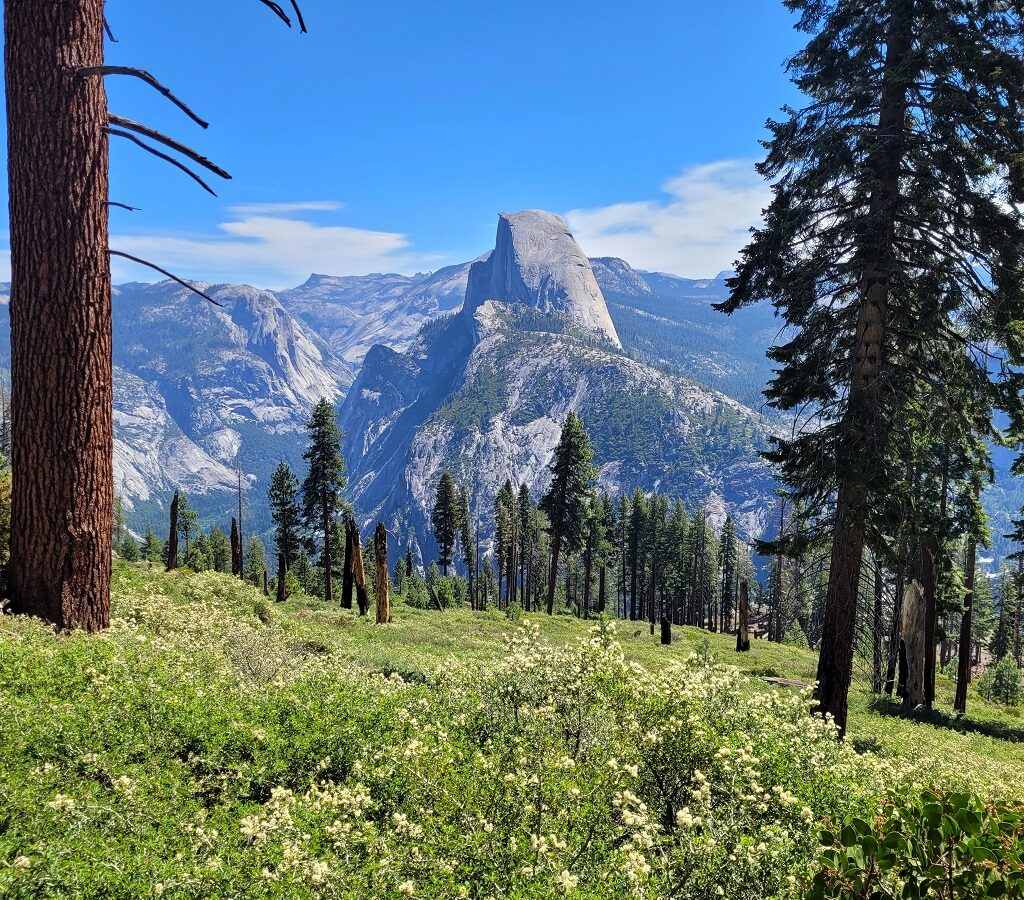
Glacier point with wildflowers in Yosemite National Park.

Glacier Point

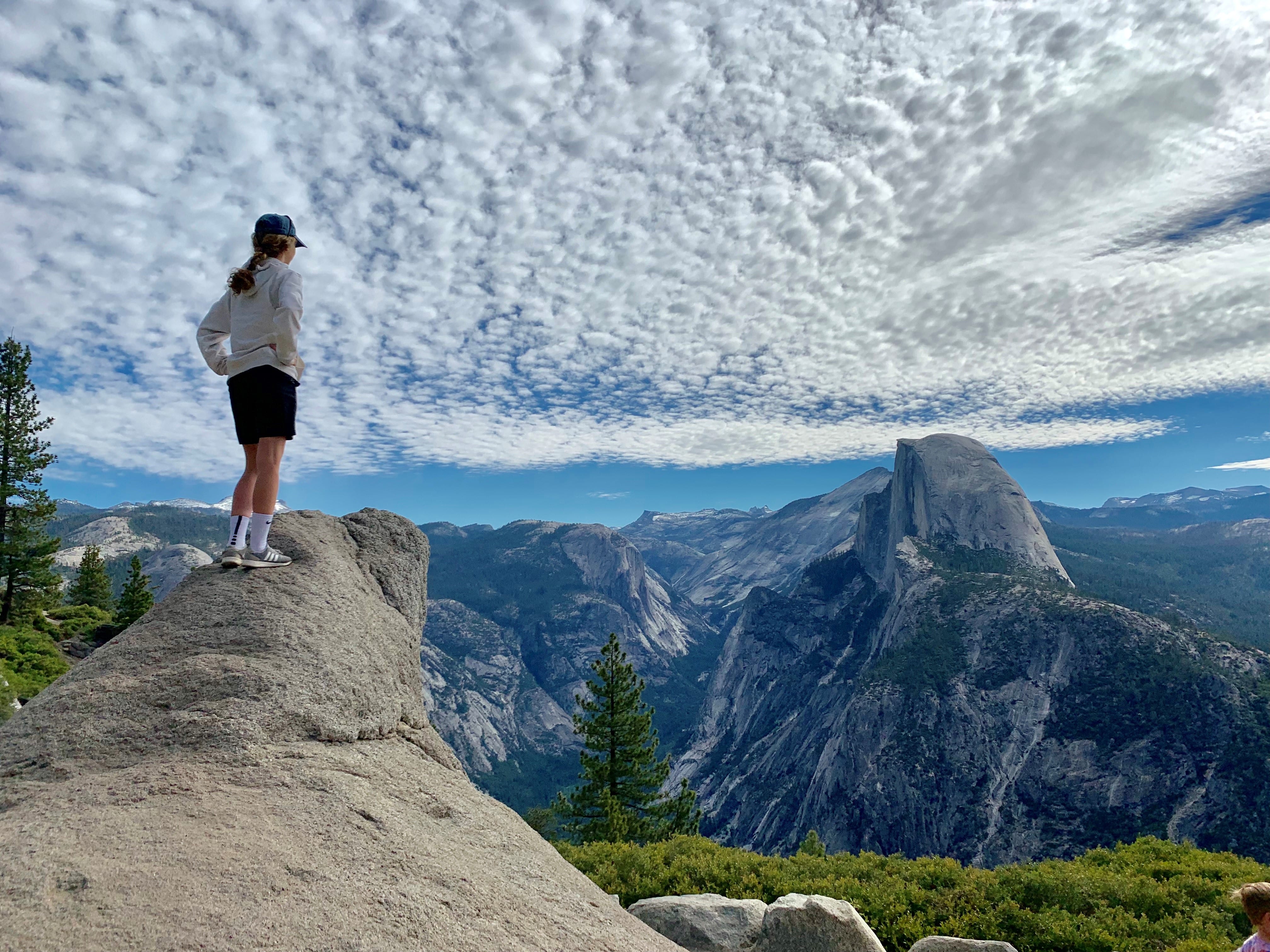
Glacier Point offers one of the best sunrise views in Yosemite, but many visitors don’t make the journey because the road can be long and dark before dawn. This means smaller crowds and a tranquil, almost-private viewing experience as you watch the sun summit over Yosemite.

  • Where: Glacier Point is about an hour drive from Yosemite Valley along Glacier Point Road. The overlook sits at 7,214 feet and offers a sweeping, unobstructed view of Half Dome, Yosemite Valley, and the High Sierra.
  • Best For: Iconic, panoramic sunrise views; dramatic photography; a quiet vantage point with plenty of space to spread out. Perfect for travelers who want a Yosemite sunrise snapshot without dealing with crowds.
  • Arrive By: Plan to arrive 30–45 minutes before sunrise to catch the full color progression and secure your preferred viewpoint.
  • Insider Tip: Bring a warm layer (even in summer) and keep an eye out for faint alpenglow on Half Dome before the sun crests the horizon. The soft pink-and-gold light here is some of the most striking in the park.

Panorama Trail

Panorama Trail is one of the most rewarding ways to experience a Yosemite sunrise. Stretching between Glacier Point and the Mist Trail, it offers multiple elevated viewpoints where you can watch early light sweep across Half Dome, Nevada Fall, and the expansive Yosemite Valley. If you’re hoping to pair a stunning sunrise with an all-day adventure, this is the best trail to choose.

  • Where: The trailhead is located near the Glacier Point Amphitheater. From there, the Panorama Trail winds 8.5 miles down toward Nevada Fall and the Mist Trail, with several scenic overlooks along the route.
  • Best For: Hikers who want the sunrise before a full-day trek; sweeping sunrise vistas over Half Dome; varied scenery, including waterfalls, granite domes, and forested switchbacks.
  • Arrive By: Aim to arrive 30–45 minutes before the Glacier Point sunrise if you want to catch dawn light before starting your hike. This gives you time to enjoy the view, take photos, and begin the trail as the morning brightens.
  • Insider Tip: Start your hike at Glacier Point and descend to the valley. This direction offers front-facing views of Half Dome as the sun rises. Bring trekking poles if you’re continuing past Illilouette Fall, as the downhill sections can be steep and long.
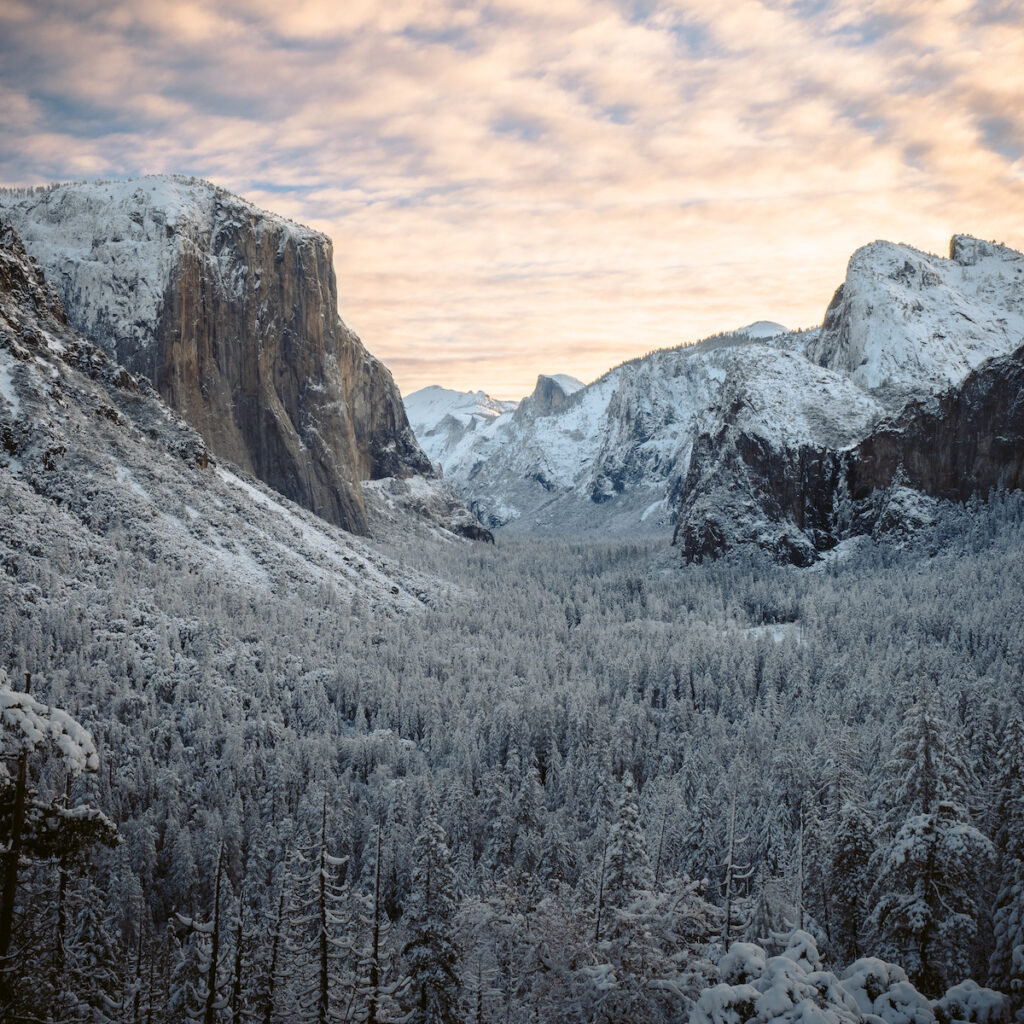
Tunnel View at Winter in Yosemite National Park.

Tunnel View

Tunnel View has been an iconic vantage point since 1933 and offers one of the best sunrise views in Yosemite. As you exit the Wawona Tunnel, the entire valley unfolds before you: El Capitan rising on the left, Bridalveil Fall drifting on the right, and Half Dome anchored in the distance. It’s a sunrise spot that delivers a dramatic, postcard-perfect panoramic view.

  • Where: Located at the east end of the Wawona Tunnel on Wawona Road (Highway 41). There is a designated viewpoint with parking directly at the overlook.
  • Best For: Photographers seeking a wide, valley-spanning composition; travelers looking for a breathtaking payoff without a hike. Visitors who want Yosemite’s most iconic view should choose the Tunnel View sunrise.
  • Arrive By: Plan to arrive 20–30 minutes before sunrise, especially during peak season, as this popular viewpoint fills up quickly.
  • Insider Tip: For a quieter experience, walk a short distance up the Pohono Trail from the parking area. Even a few minutes up the trail gives you an elevated angle to view the incredible morning light on El Capitan and Half Dome.

Sentinel Bridge

Sentinel Bridge is one of the most accessible places to watch the sunrise in Yosemite Valley. Known for its stunning view of Half Dome reflected in the calm waters of the Merced River, this spot offers a peaceful place to begin the morning, no hike required.

  • Where: Sentinel Bridge spans the Merced River in the heart of Yosemite Valley, near Sentinel Meadow and the Yosemite Valley Lodge area.
  • Best For: Iconic sunrise photos featuring Half Dome and its mirrored reflection; visitors who want an easy-to-reach viewpoint; peaceful early-morning scenery without committing to a trail.
  • Arrive By: Arrive 15–20 minutes before sunrise to catch the sky’s early color and secure a good position along the riverbank.
  • Insider Tip: The reflection is best on days when the river is calm. Walk slightly upstream or downstream along the riverbank to find the clearest angle and the strongest mirror effect of Half Dome.
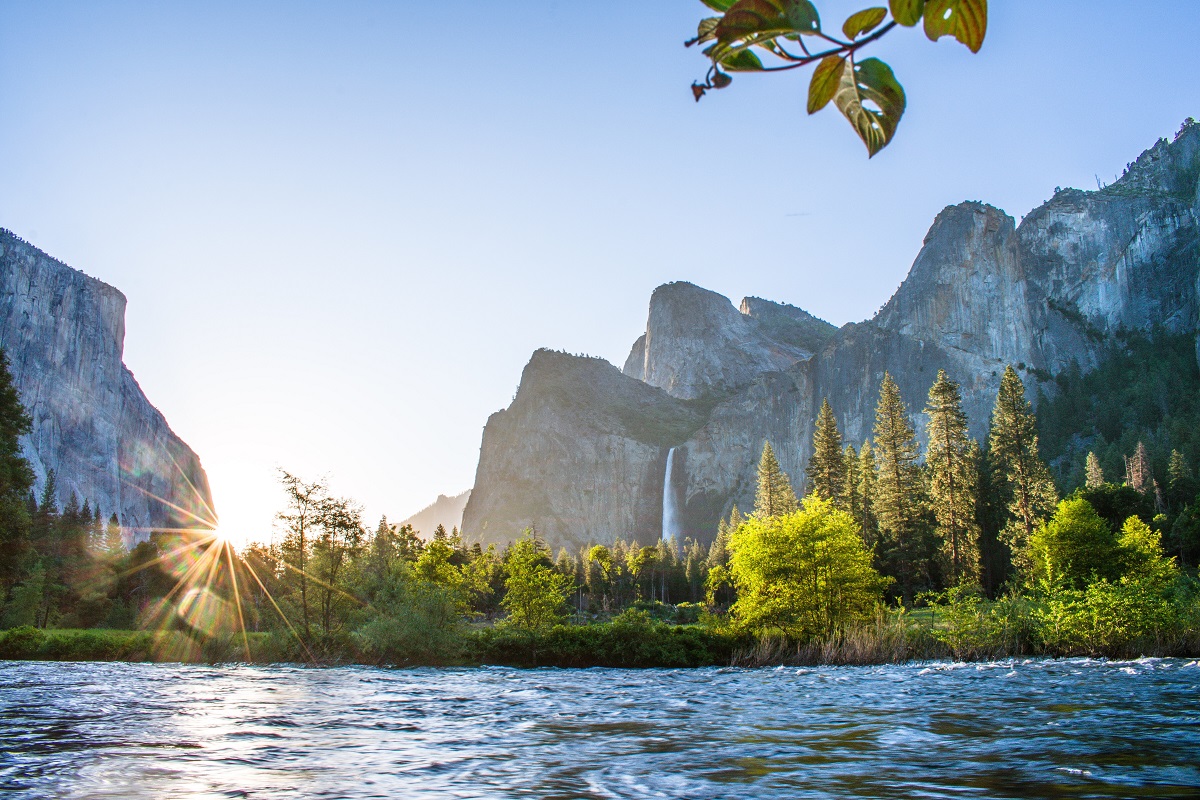
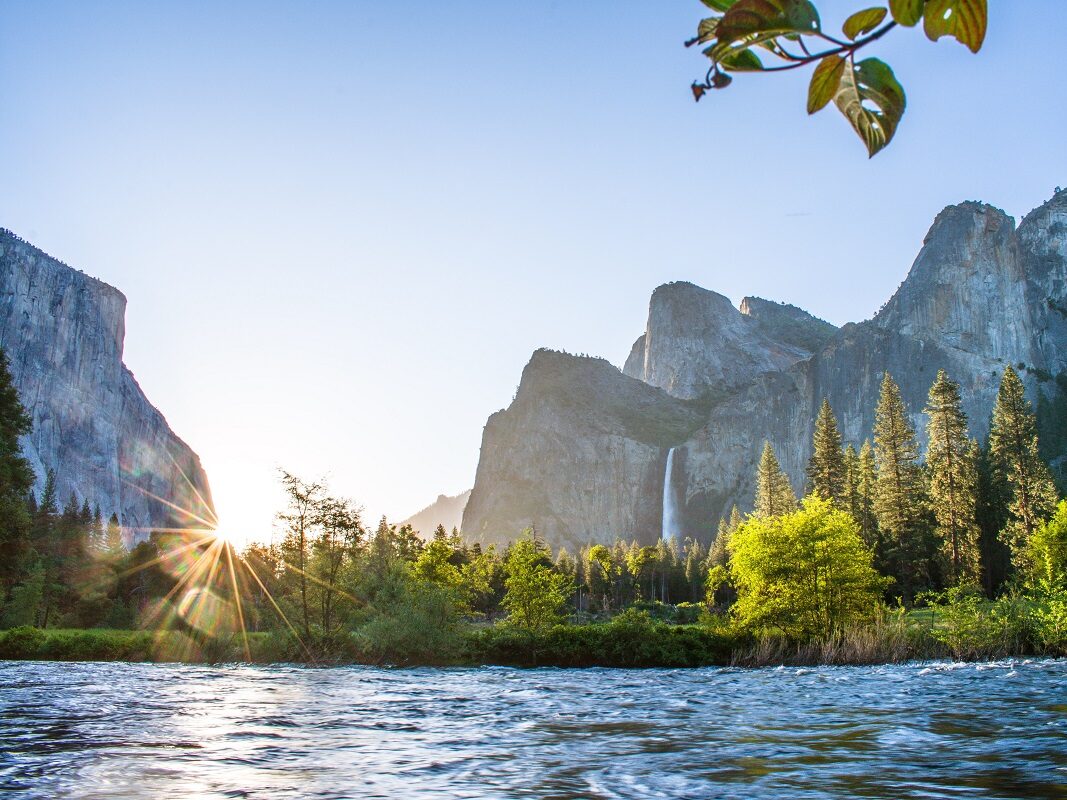
Sunrise at Yosemite Valley View (Marcus C.)

Valley View

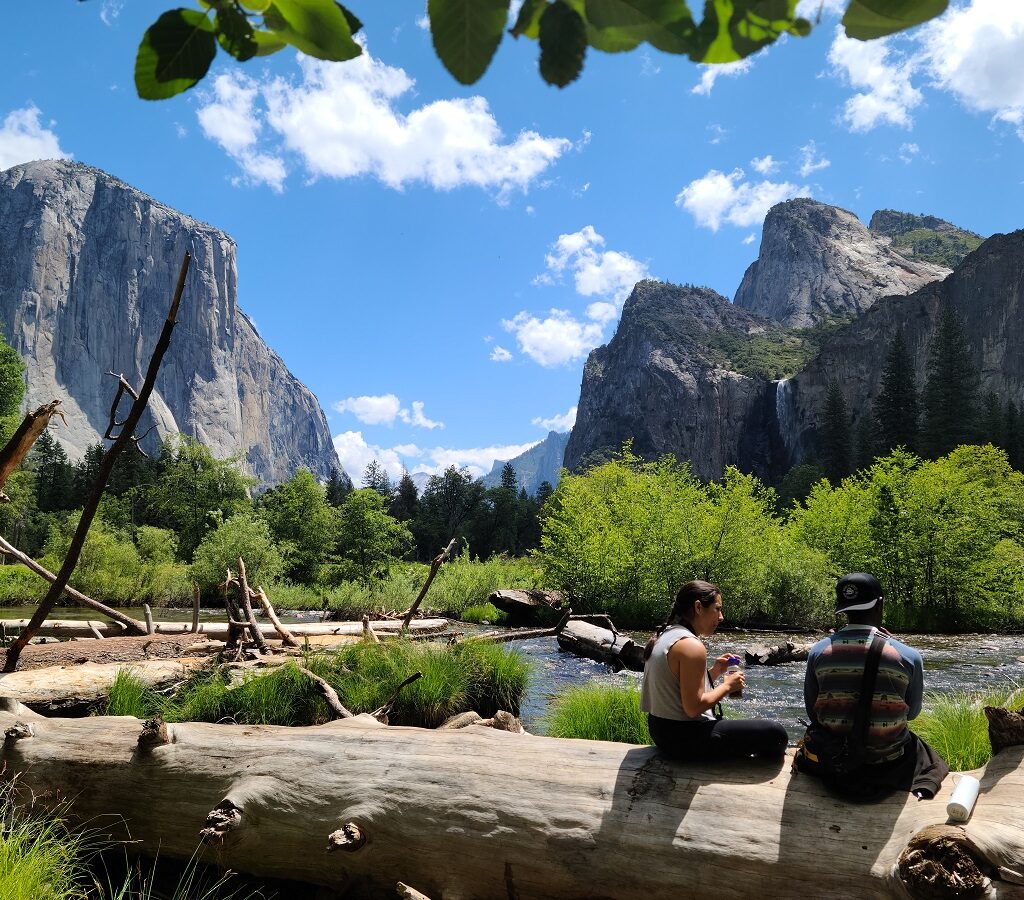
Valley View offers tranquil riverfront scenery framed by towering granite. From this riverside vantage point, you’ll see El Capitan glowing with first light, Bridalveil Fall catching the morning shimmer, and the Merced River reflecting soft dawn colors. It’s a peaceful, intimate viewpoint that feels close to the valley floor’s natural beauty.

  • Where: Located along Northside Drive in Yosemite Valley, just past the Bridalveil Fall viewpoint and before Pohono Bridge. A small parking area sits directly beside the river.
  • Best For: Classic sunrise views of El Capitan and Bridalveil Fall; serene waterside photography; travelers who want a quiet, easily accessible spot with big valley scenery.
  • Arrive By: Arrive 20–30 minutes before sunrise to set up along the riverbank and catch the shifting colors on the cliffs and water.
  • Insider Tip: For the best reflections, walk a few steps down to the river’s edge. Some of the strongest compositions come from positioning your camera low to the water. After sunrise, this spot is perfectly placed for quick access to Yosemite Valley highlights, including Bridalveil Fall and Tunnel View.

Vista Point Big Oak Flat

Vista Point along Big Oak Flat Road is an easily accessible pullout where you can catch the Yosemite sunrise. From this roadside overlook, you’ll have wide-open views across rugged Yosemite Valley to El Capitan and Half Dome. It’s an excellent option for travelers who want a beautiful sunrise without navigating deep into the valley.

  • Where: Located on Big Oak Flat Road (Highway 120) as you descend toward Yosemite Valley. The overlook is a designated roadside turnout with clear east-facing views.
  • Best For: Panoramic sunrise views over Yosemite’s granite landscape; travelers seeking a convenient stop with minimal walking; quick sunrise photography before continuing deeper into the park.
  • Arrive By: Plan to arrive 15–20 minutes before sunrise to catch the shifting colors on El Capitan and Half Dome as the first light reaches the valley.
  • Insider Tip: This overlook is especially beautiful on mornings with atmospheric haze or low mist, which make the granite cliffs look dramatic in the sunrise glow. It’s also a great spot to stop again later in the day for contrasting midday or afternoon views.
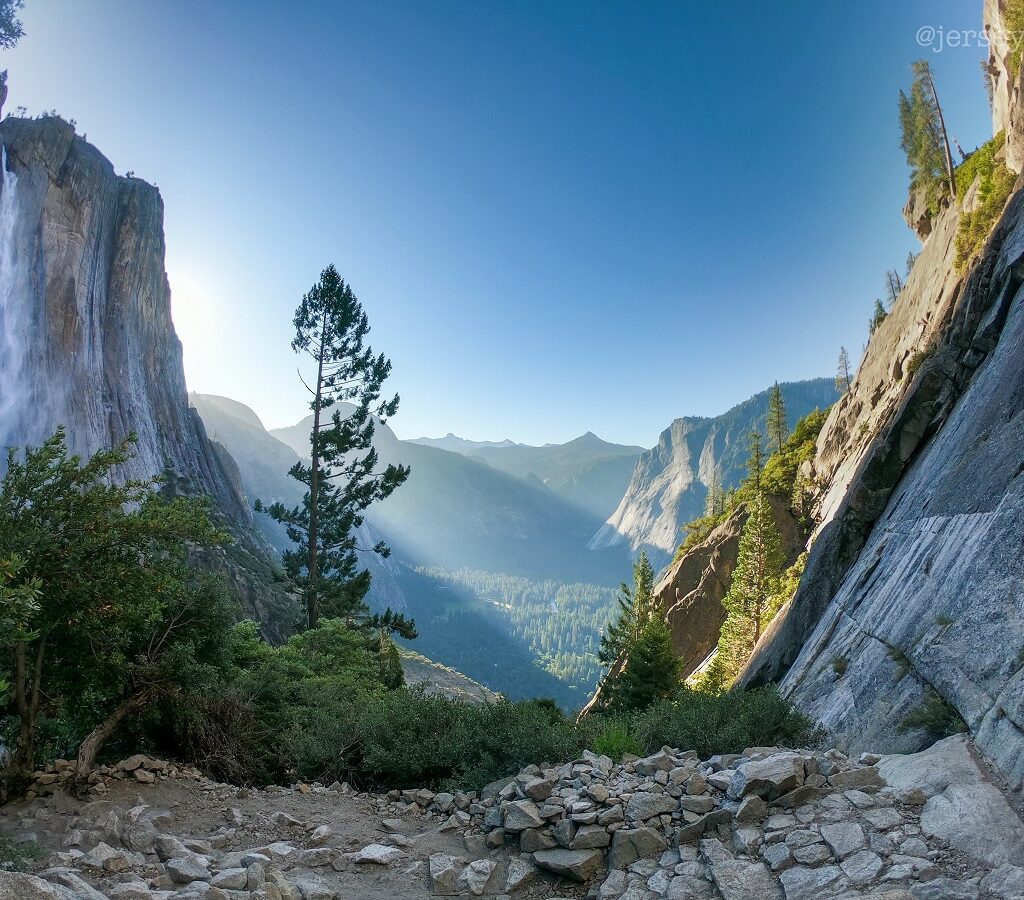
Yosemite Falls Trail Summer Sunrise (Jacob P)

Tips for Planning Your Yosemite National Park Sunrise Visit

Catching sunrise in Yosemite is an unforgettable experience, but it takes a little planning to be in the right place at the right time. Here’s what you need to know to make the early wake-up smooth and stress-free.

Best Months To Watch the Sunrise in Yosemite

While sunrise is beautiful year-round, the best months to visit are typically May through October. These months offer clearer skies, fewer road closures, and milder early-morning temperatures.

  • Spring (April–May): Waterfalls are at their peak and morning mist adds atmosphere.
  • Summer (June–August): Long daylight hours make for clear, golden sunrises, but you need to arrive early to avoid crowds.
  • Fall (September-October): Autumn brings crisp air, fewer visitors, and beautiful warm tones on the granite.
  • Winter: Sunrises in winter are stunning but unpredictable; snow can close roads and delay early-morning access.

When To Arrive For Yosemite Sunrise Views

To fully experience the color progression of dawn, plan to arrive at your chosen viewpoint 20–45 minutes before sunrise. Arriving early also helps secure parking, which can be limited at popular viewpoints.

  • Panoramic overlooks (Glacier Point, Panorama Trail): Arrive closer to 45 minutes early.
  • Valley and roadside spots (Sentinel Bridge, Valley View): 15–30 minutes early is usually enough.

What To Bring To See the Sunrise in Yosemite

Early mornings in Yosemite are often cooler than expected, even in summer. A small sunrise kit will make your experience more comfortable:

  • Warm layers: Temperatures can be 10–20 degrees cooler at dawn.
  • Headlamp or flashlight: Extra light is essential for navigating parking areas or trails in the dark.
  • Water and snacks: Bring your own; park services are limited early in the morning.
  • Camera or binoculars: You don’t want to miss anything.
  • Sturdy shoes: Even flat viewpoints can be dewy or slick in the morning.
  • Small blanket or cushion: Keep yourself comfortable while you wait for the sun to rise.

Additional Tips for a Smooth Sunrise Visit

  • Check road conditions the evening before. Roads like Glacier Point Road or Tioga Road may close seasonally.
  • Know your route in advance. Cell service is limited in many parts of the park.
  • Watch for wildlife on early-morning drives, especially deer along valley roads.
  • Give yourself buffer time. Yosemite’s layout can take longer to navigate than you expect in low light.

Frequently Asked Questions About Watching the Sunrise in Yosemite

Planning a sunrise visit to Yosemite often brings up a few common questions about timing, entry, and the best spots to watch the day begin. Here, we’ve answered the most frequently asked questions to help you prepare for an unforgettable morning in the park.

What time is sunrise in Yosemite National Park?

The time of sunrise in Yosemite varies by season, so you should always check for precise times ahead of your visit. Here’s when the sunrise typically occurs each season:

  • Summer: 5:30–6 a.m. 
  • Spring and fall: 6:30–7 a.m. 
  • Winter: 7–7:30 a.m.

Be aware that the sun rises in different locations throughout the year, meaning some areas of the park may stay dimmer longer depending on the sun’s position and the surrounding cliffs.

Where is the best place to watch the sunrise in Yosemite?

Some of the best places to see a Yosemite sunrise include Glacier Point, Tunnel View, Panorama Trail, Sentinel Bridge, Valley View, and Vista Point Big Oak Flat. Each offers different scenery — panoramic overlooks, riverside reflections, or iconic valley views — so your ideal spot depends on the experience you want.

What is the best trail to see the sunrise in Yosemite?

The Panorama Trail is one of the best sunrise trails in Yosemite. Starting at Glacier Point, it offers several elevated viewpoints with stunning dawn light on Half Dome, Nevada Fall, and the valley. It’s ideal for hikers who want a sunrise moment at the start of a rewarding full-day trek.

Can I enter Yosemite Park before 5 a.m.?

Yes. You can enter Yosemite at any time, including before 5 a.m. Early entry is encouraged for sunrise viewing, photography, or avoiding congestion during peak season. Check whether an entrance reservation system is in effect during your visit. If so, you’ll need a valid reservation regardless of entry time.

Is sunrise at Yosemite worth it?

Absolutely! Sunrise is one of the most magical times to experience Yosemite, even if you aren’t an early riser. The soft light on the granite cliffs, calm morning air, and smaller crowds make dawn a uniquely peaceful and photogenic moment in the park. Many travelers consider it one of the highlights of their entire Yosemite trip.

If you’re looking for where to watch the sunrise in Yosemite, there are plenty of spots to choose from. Yosemite is known for its beautiful landscapes and unbeatable natural views, meaning a picture-perfect sunrise is never too far away. Rise and shine when you pick from our Yosemite hotels, conveniently located less than 10 miles from Yosemite’s Big Oak Flat entrance and Yosemite’s west entrance.
Visiting Yosemite National Park in Winter or Summer

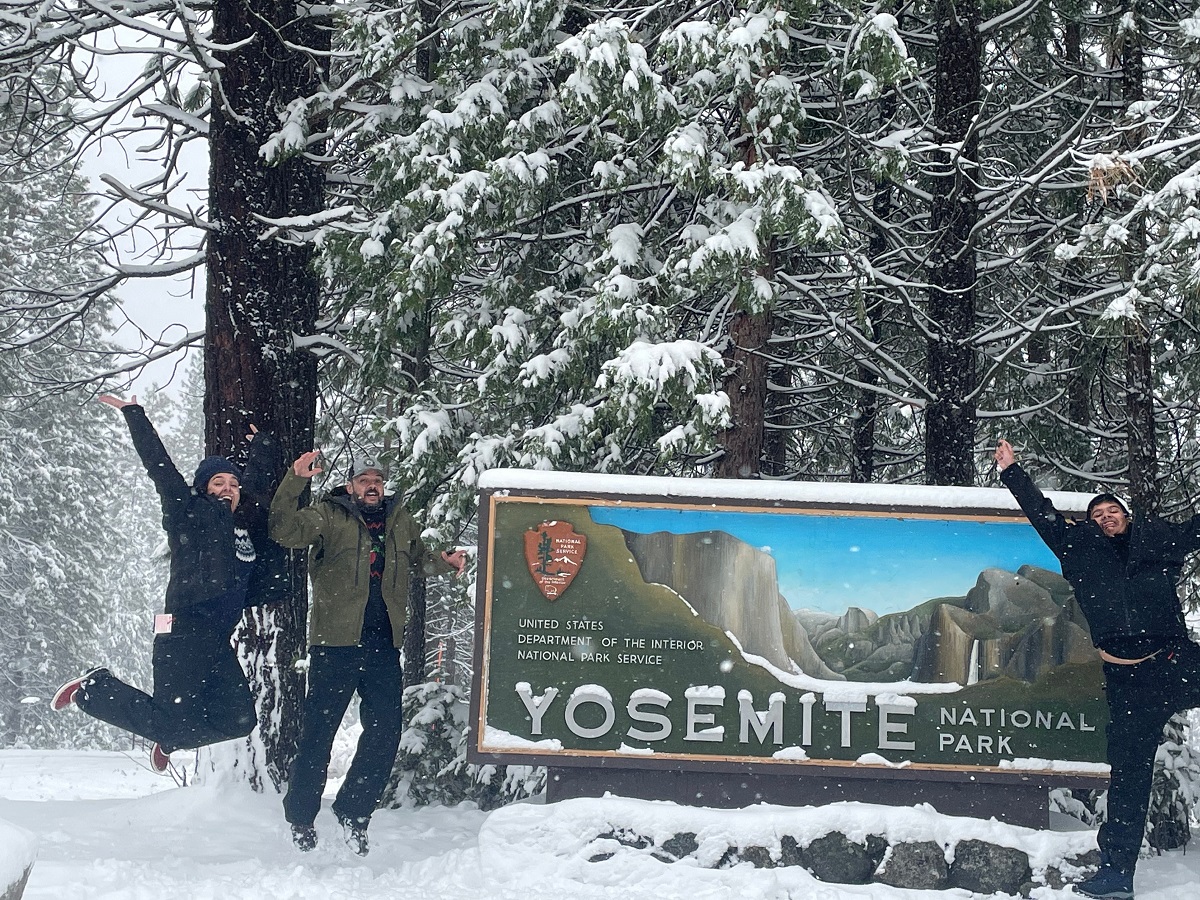
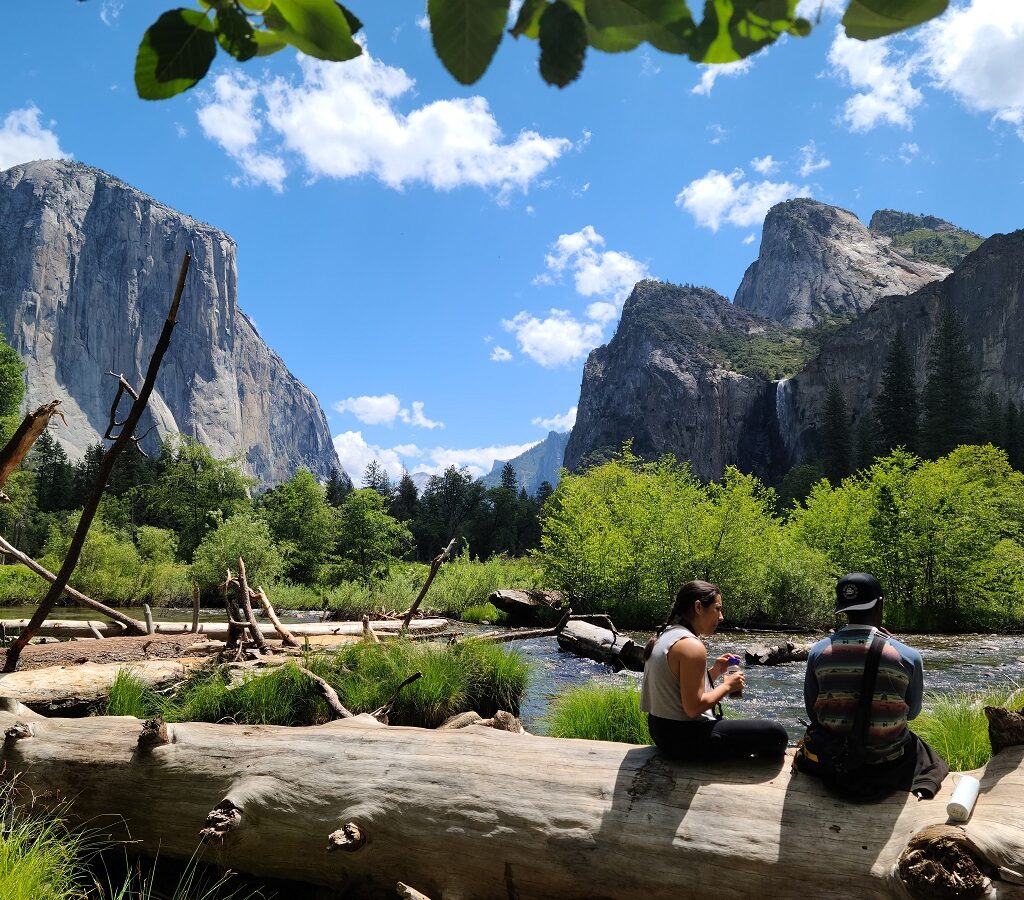
Because the national park is open 24/7, 365 days a year, you can plan your visit to Yosemite in summer or winter. When the weather’s warm, Yosemite’s sun-drenched landscape is lush with rushing rivers, open access roads, and wildflowers in full bloom. Come winter, the park transforms into a frosted wilderness retreat, featuring winter sports activities and peaceful scenery. Both summer and winter have plenty to offer on a visit to Yosemite, from camping and stargazing to frosty nature walks, skiing, and snowshoeing. 

In this guide, we cover what to expect when visiting Yosemite in summer or winter, along with the best things to do in each season so you can plan your trip for any time of year.

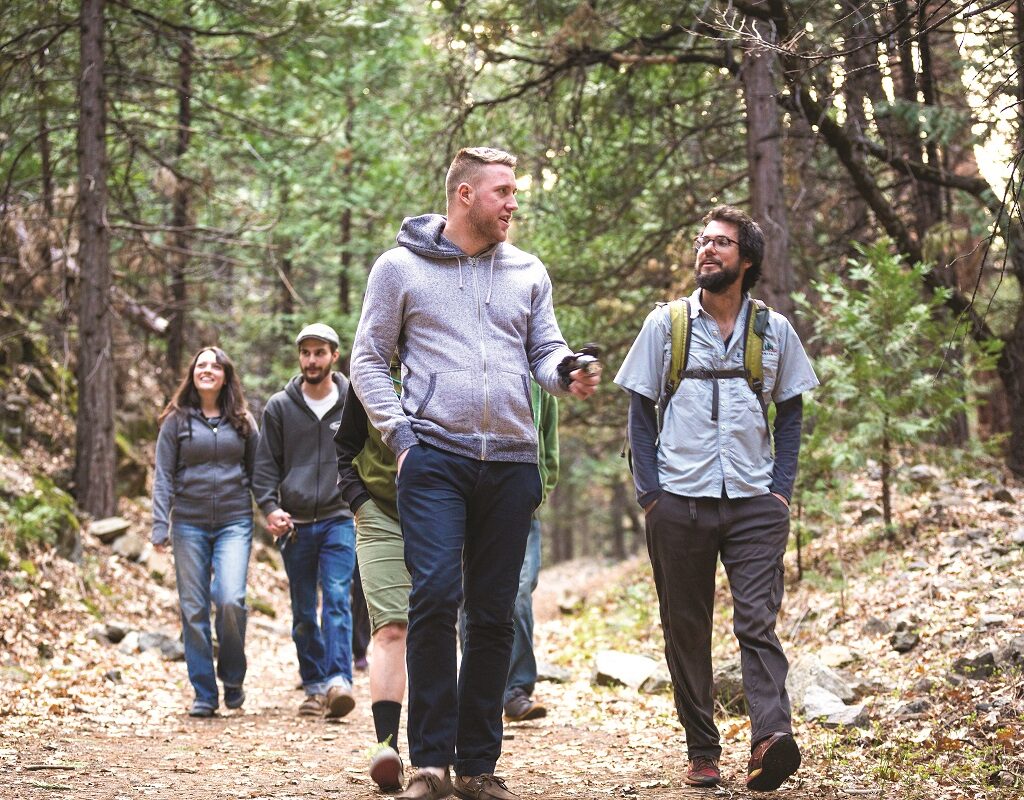
Hikers taking at break in Yosemite Valley.

Visiting Yosemite National Park in Summer

Yosemite is absolutely worth visiting in summer, when the park is at its most vibrant. Waterfalls surge, trails are open from valley floor to alpine peak, and long daylight hours invite extended exploration. Summer is the most popular time of year for camping in Yosemite, and it is typically the season with the biggest crowds. Here’s what to expect:

  • Rain is rare in Yosemite in the summer, so expect warm, sunny days with average temps anywhere between the 70s to 90s, depending on elevation.
  • Nighttime temps typically average in the 40s—cool and comfortable for camping under open skies.
  • Anticipate peak crowds from June through August. We suggest making lodging reservations in advance and getting an early start on your adventures to avoid crowded landmarks.
  • Most of the park’s trails and roads are fully open during summer, letting you explore the far corners of what Yosemite has to offer.
  • Although the park is always open in summer and winter, some entrance stations have restricted hours. For example, the Hetch Hetchy gate is only open during daylight hours.
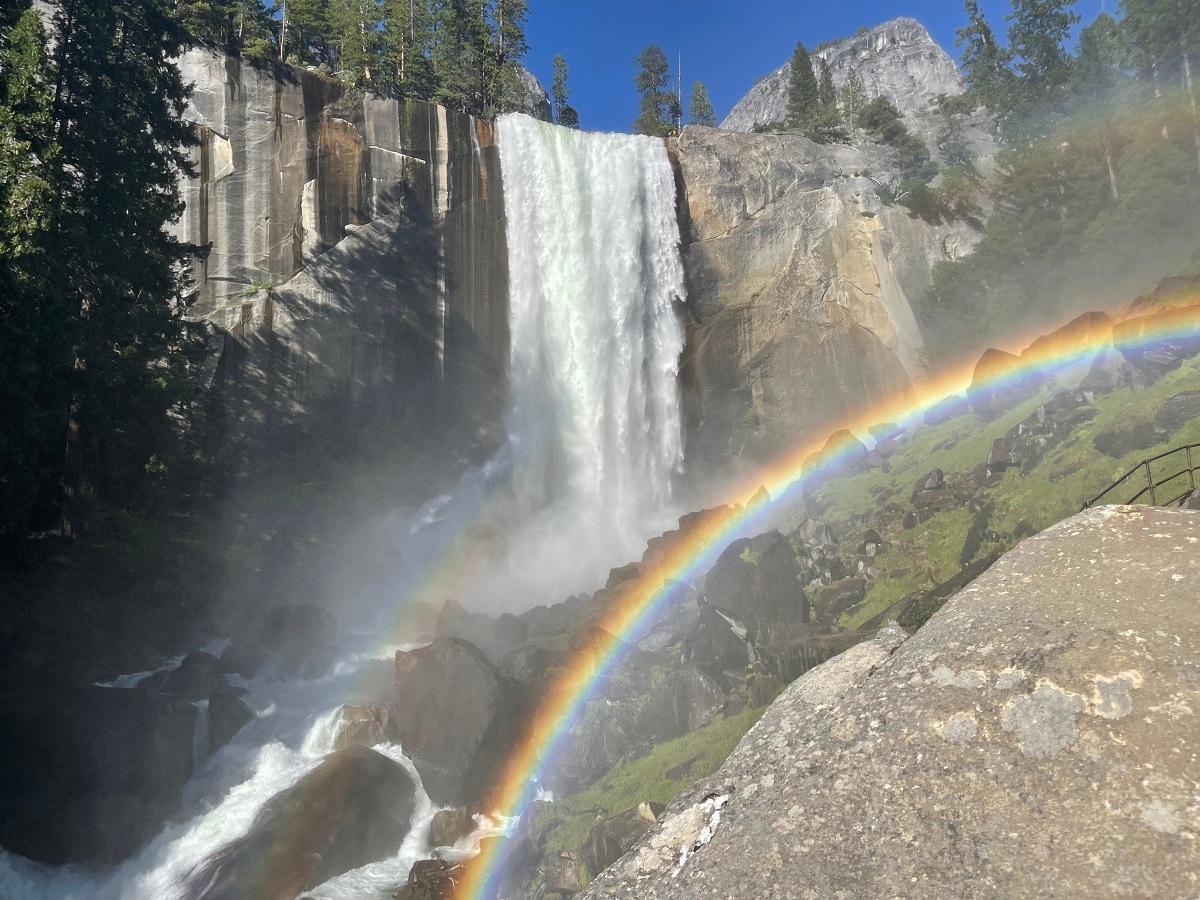
Vernal Fall double rainbow at Yosemite National Park.

Top Things To Do in Yosemite in Summer

Summer is when Yosemite National Park is most accessible and alive. Here are some of our favorite things to do:

  • Drive to Glacier Point and Tioga Road: Get swept away by the stunning beauty of the alpine lakes and wildflower meadows. Glacier Point is only accessible in late spring and summer.
  • Chase Waterfalls: See Yosemite Falls, Bridalveil Fall, and Vernal Fall at their fullest in early summer.
  • Explore Yosemite Valley by Bike or Shuttle: Enjoy iconic views of Half Dome and El Capitan without the parking stress.
  • Trek Yosemite’s Iconic Trails: The Mist Trail, Yosemite Falls Trail, or Panorama Trail offer some of the best hikes in Yosemite in summer.
  • Go Rock Climbing or Bouldering: Experience Yosemite’s world-famous granite, or watch climbers scale El Capitan. Summer climbers typically start early or wait until evening to avoid midday heat.
  • Cool Off in the Merced River: Swim, wade, or raft along gentle river sections that flow through Yosemite Valley.
  • Camp or Picnic Under the Stars: Warm nights and clear skies make for perfect evenings outdoors.
  • Go Wildlife Watching: Get in touch with your wild side and bring the camera to catch shots of bobcats, mule deer, black bears, and other long-term residents of the park.
  • Capture a Panorama: Photograph the golden glow from Tunnel View or Sentinel Dome. In summer, the park is picture-pretty anywhere you look.
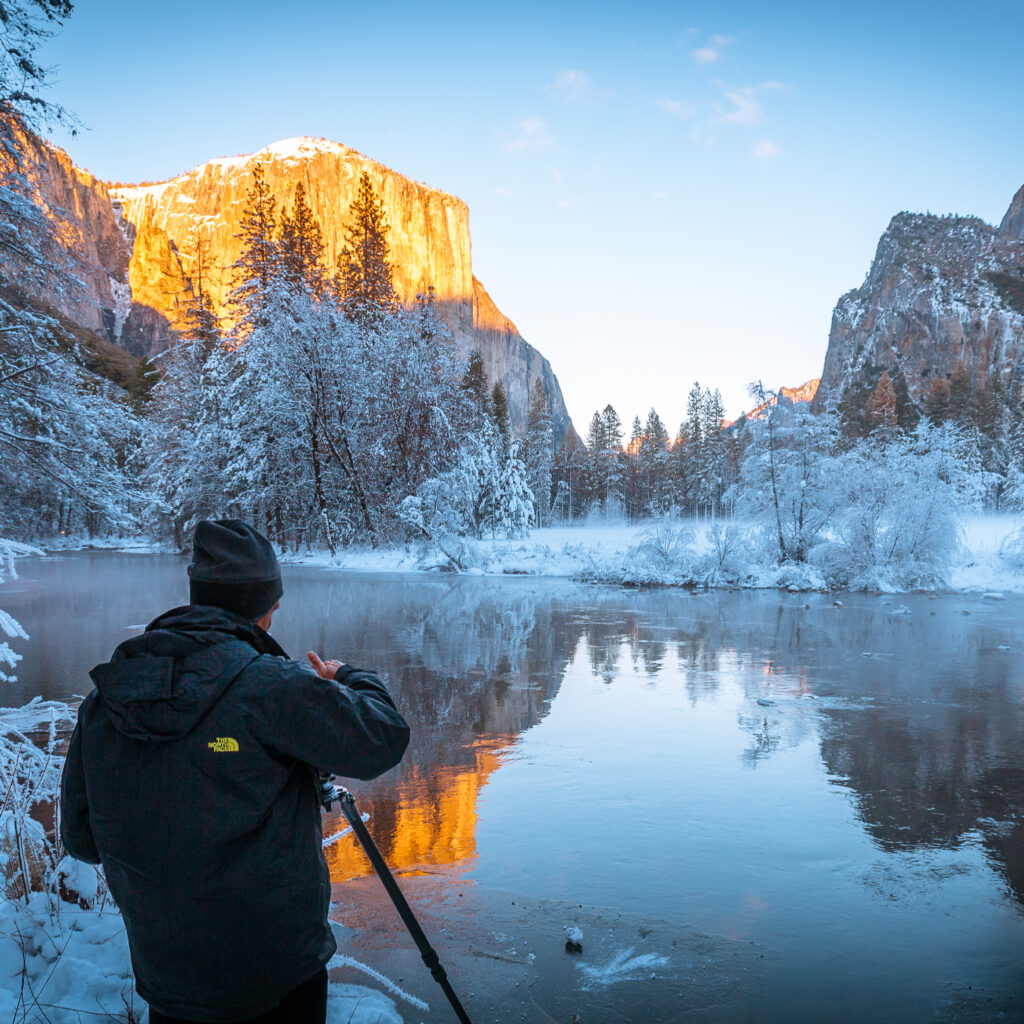
Yosemite Valley View at winter at Yosemite National Park.

Visiting Yosemite National Park in Winter

In winter, Yosemite becomes a snowy wonderland of cozy lodges, frozen waterfalls, and smaller crowds, and the season invites a slower pace for exploration and reflection. Trails in Yosemite Valley stay open for crisp, peaceful walks, while higher elevations transform into playgrounds for snowshoeing, skiing, and photography. Wondering how to visit Yosemite in winter? The first step is knowing what to expect:

  • Through winter, daytime temperatures often range from the 30s to 50s, dipping below freezing at night.
  • Prepare for snow. Winter is when 75% of Yosemite’s precipitation falls, and mostly in the form of snow.
  • Many valley trails stay open for hiking, but visitors should note that Tioga Road closes for the season and Glacier Point Road is closed to vehicles past the Badger Pass Ski Area. 
  • Yosemite Valley remains open year-round, with plowed roads, clear signage, and easy access to many of the park’s most iconic lookouts.
  • Although it is less crowded than in summer, it’s still a good idea to book Yosemite winter lodging in advance, particularly ahead of weekends and holidays.
Merced Grove snowshoe excursion offered by Evergreen Lodge, Firefall Ranch, and Rush Creek Lodge.

Top Things To Do in Yosemite in Winter

There’s no shortage of ways to experience the park’s magic when it’s cold. Here are some of the best things to do in Yosemite in winter:

  • Go Snowshoeing or Cross-Country Skiing: Explore peaceful trails around Merced Grove, Tuolumne Grove, and cross-country skiing at Crane Flat for a one-of-a-kind winter experience.
  • Try Downhill Skiing or Snowboarding: Hit the slopes at Badger Pass, California’s first ski area, with runs suited for all skill levels.
  • Take a Winter Hike: Enjoy lower-elevation trails in Yosemite Valley. Mirror Lake, Lower Yosemite Fall, or Cook’s Meadow Loop are a few of the best hikes in winter — ideal for crisp, scenic walks.
  • Make Camp: Grab your warmest sleeping bag because you can camp in Yosemite even in winter. Select campgrounds are open through the winter season, though many are first-come, first-served, or require reservations.
  • Capture Yosemite Waterfalls in Winter: Photograph the dramatic icy spray of Bridalveil Fall or the misty power of Yosemite Falls framed by snow. February is also the only time of year you can see the spectacular Firefall.
  • Visit Tunnel View or Valley View: These iconic overlooks are especially striking with snow-dusted granite cliffs and low winter light.
  • Watch for Wildlife: Spot deer, coyotes, and birds adapting to the colder season. They’re often easier to see with fewer crowds around.
  • Ice Skate at Curry Village: Glide beneath the granite walls of Half Dome at this classic seasonal rink.
  • Join a Guided Program: Learn about Yosemite’s winter ecology, wildlife, and geology through guided snowshoe walks and talks.

Planning Your Visit in Summer or Winter

There’s no best time of year to visit Yosemite because each season has something special to offer. Summer brings energy, accessibility, and long days filled with sunshine and adventure — perfect for hikers, families, and first-time visitors. Winter offers quiet beauty, snowy landscapes, and a sense of solitude that’s rare in such an iconic place. Both seasons reveal Yosemite’s character in distinct ways, inviting you to decide whether you want to feel the park’s pulse or its peaceful stillness.

No matter when you visit, Yosemite’s beauty never takes a season off. Contact us to start planning your trip today, and let Yosemite Hotels show you just how unforgettable every season can be.

Driving Through Yosemite: Top Tips and Scenic Routes

Yosemite is one of the few U.S. national parks where visitors can enjoy most of the highlights from the comfort of a private vehicle. Whether you’re planning a full road trip or a short loop, driving through Yosemite National Park is one of the best ways to see its granite cliffs, waterfalls, and giant sequoias. Roads are clearly marked, and most major viewpoints and trailheads have parking areas so you can pause to take in the sights.

When driving through Yosemite National Park, you’ll want to prioritize the most scenic routes, including Tioga Pass and Glacier Point, and plan ahead for the best experience. In this guide, we’ll share our favorite drives and offer practical advice to help you make the most of your Yosemite adventure.

Best Scenic Drives in Yosemite National Park

Everything You Need To Know Before Driving Through Yosemite

Best Scenic Drives in Yosemite National Park

The park’s stunning roadways wind through ancient forests, towering granite peaks, and lush meadows, offering lookouts and photo stops along the way. Whether you’re crossing the Sierra Nevada on Highway 120 through Yosemite, cruising up to Glacier Point, or exploring the Yosemite Valley Loop, each drive reveals a new side of the park’s natural beauty. Learn more about the best scenic drives in Yosemite National Park, including practical details and insider tips for making the most of your time on the road.

1. Tioga Pass (Highway 120 Through Yosemite)

The Big Oak Flat Entrance is just over 54 miles from the Tioga Pass Entrance along Highway 120, and the route is one of the best scenic drives in Yosemite National Park. Open roughly late May to early November, it climbs above 9,900 feet with sweeping views of granite domes, alpine lakes, and meadows. Driving straight through takes around 1 1/2 hours, but we recommend adding a few photo stops along the way.

  • Top stops: Merced and Tuolumne Groves, Olmsted Point, Tenaya Lake, and Tuolumne Meadows
  • Fuel: Chevron 8 miles before Big Oak Flat Entrance (west side)
  • Access: Closed in winter; check NPS for road status before travel
  • Tip: Start early, bring layers for high-altitude weather, and download offline maps.
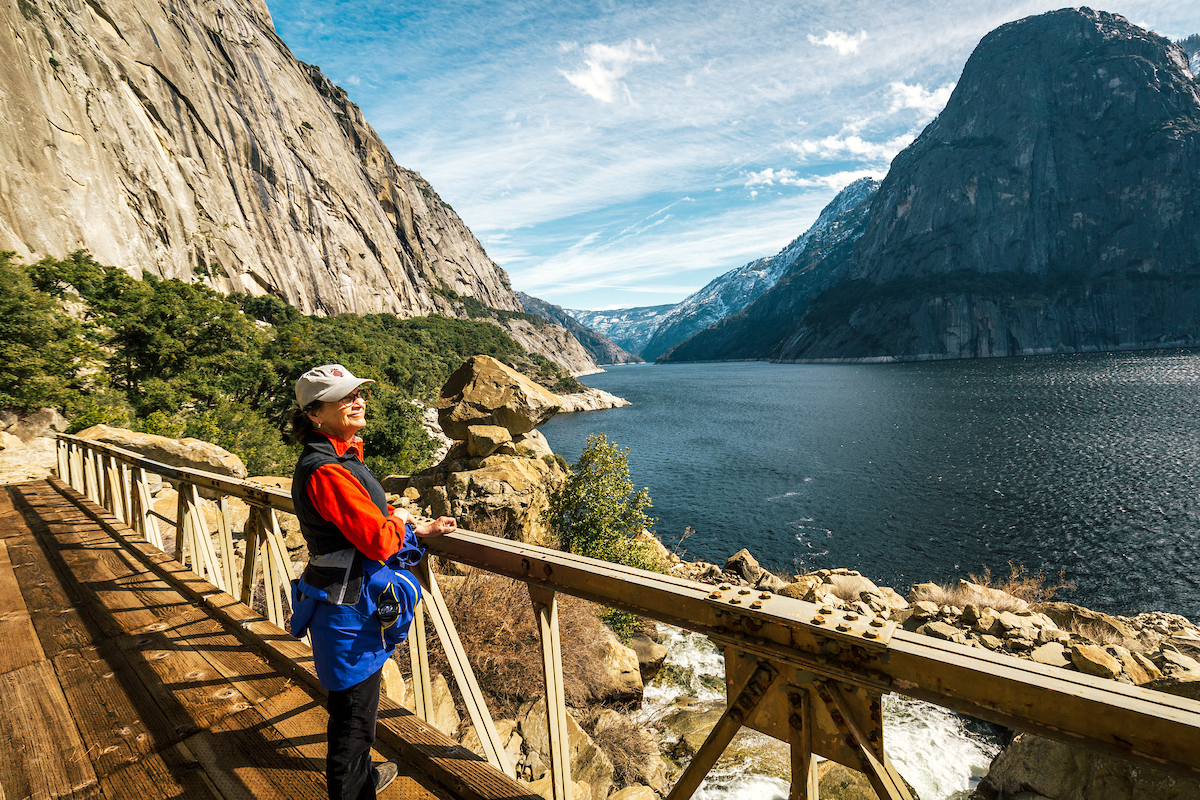
Hetch Hetchy Moment (Kim Carroll)

2. Hetch Hetchy Reservoir Drive

The Hetch Hetchy Drive is a short but rewarding route located near Yosemite’s northwest corner, just two miles from Evergreen Lodge. The road winds about 10 miles from the entrance gate to the Hetch Hetchy Reservoir, offering a quieter experience than Yosemite Valley and stunning views of granite cliffs and waterfalls. It’s a great option if you want to see Yosemite by car without heavy crowds.

  • Top stops: O’Shaughnessy Dam, Wapama Falls Trail, and the Hetch Hetchy Reservoir overlook
  • Drive time (without stops): Approximately 20 minutes each way
  • Access: Open year-round; check for occasional winter closures
  • Tip: Evergreen Lodge offers a variety of guided tours of the area.
Half Dome view from Glacier Point in Yosemite.

3. Glacier Point Road

Glacier Point Road begins about 17 miles from Yosemite’s South Entrance and roughly 16 miles from the Arch Rock Entrance, which is the closest access point for guests staying at our lodges and entering from Highway 120 West. The drive begins in thick forest before opening to dramatic valley views and continuing past Yosemite Ski & Snowboard Area (formerly Badger Pass) and the McGurk Meadow, Taft Point, and Sentinel Dome trailheads. Near the top, Washburn Point and Glacier Point Curve Vista offer breathtaking panoramas of Half Dome, Vernal Fall, and Nevada Fall — among the best views in Yosemite by car.

  • Top stops: Washburn Point, Glacier Point Curve Vista
  • Drive time (without stops): Approximately 30 minutes each way once you reach Glacier Point Road
  • Access: Open late May–October; closed in winter due to snow
  • Tip: Visit early or late in the day for fewer crowds and golden light.
Yosemite El Capitan Meadow (Kim Carroll Photography)

4. Yosemite Valley

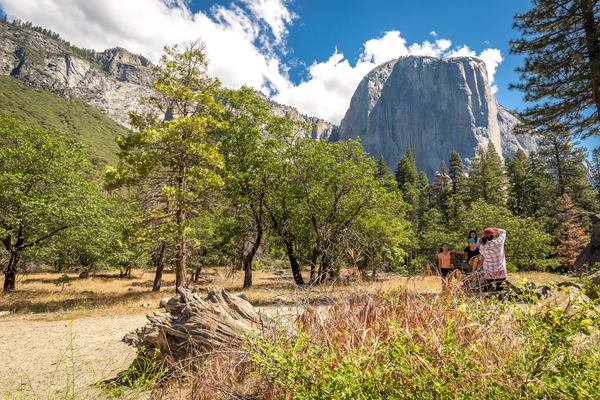
The Yosemite Valley drive is the park’s most popular and accessible route, offering some of the most scenic views Yosemite has to offer. You can enter the Valley via Wawona Road (24.6 miles from South Entrance), El Portal Road (5 miles from the Arch Rock Entrance), or Big Oak Flat Road (17.5 miles from Big Oak Flat Entrance). The main 14-mile loop takes about 30 minutes without stops, but most visitors spend several hours exploring. Highlights include the iconic Tunnel View, Bridalveil Fall, El Capitan Meadow, Cathedral Beach, and Yosemite Falls. The valley’s Southside Drive is one-way in, and Northside Drive is one-way out, making navigation easy in both directions.

  • Top stops: Tunnel View, Bridalveil Fall, El Capitan, Yosemite Falls
  • Drive time (without stops): Approximately 30 minutes
  • Access: Open year-round; some detours in winter
  • Tip: Enter via Wawona Road for the famous Tunnel View reveal.

5. Mariposa Grove

Located near Yosemite’s South Entrance, the Mariposa Grove drive is the farthest from our lodges, but still worth doing if you have the time. It leads to the park’s most famous giant sequoia grove, home to the Grizzly Giant, California Tunnel Tree, and Faithful Couple. The route is about 10 minutes from the entrance to the Mariposa Grove Welcome Plaza, where visitors park and take a free shuttle (in season) to the grove. Only vehicles with disability placards may drive directly to the upper arrival area. The grove is a beautiful 4-mile round-trip drive or walk, surrounded by pines and oak forest, and offers several short trails among towering sequoias.

  • Top stops: Grizzly Giant, California Tunnel Tree, Faithful Couple, Bachelor and Three Graces
  • Drive time (without stops): Approximately 10 minutes from the South Entrance
  • Access: Shuttle operates from spring through fall; road closed to most vehicles in winter
  • Tip: Combine with Yosemite Valley for a full-day itinerary, wear sturdy shoes for short walks, and check NPS updates for shuttle and trail conditions.

Insider Tip: If you want to witness giant sequoias without making the drive, you’re in luck! Less than 20 minutes from Rush Creek Lodge are two lesser-known gems. Just inside the Big Oak Flat Entrance, you can find the Tuolumne and Merced Groves. Both groves are an approximate half-mile hike from the road. Here, you’ll find the first man-made Tunnel Tree in Yosemite National Park, carved in 1878. Stop by our Recreation Desks or give us a call for more free local expert planning advice and insider information!

Everything You Need To Know About Driving Through Yosemite

Planning your Yosemite road trip starts with timing and preparation. The park spans more than 1,100 square miles and ranges from low valleys to high alpine passes, so road access, weather, and driving conditions vary widely throughout the year. Whether you’re cruising Highway 120 through Yosemite, winding along Glacier Point Road, or exploring Yosemite Valley by car, knowing when to visit and what to expect will make your journey smoother and more enjoyable.

The Best Season To Drive Through Yosemite

The best time of year to drive through Yosemite is from May or June through early autumn. The weather is warm, the days are long, and the most beautiful routes, including Tioga Pass (Highway 120) and Glacier Point Road, are open.

During the cooler months, from November through April, several roads close due to ice and snow, particularly at higher elevations. If you’re planning a winter road trip through the park, Yosemite Valley and Highway 140 usually remain open year-round, offering a quieter way to experience the park by car. Viewpoints accessible by car in winter include:

  • Tunnel View: Open year-round via Wawona Road (Highway 41). Tunnel View is one of the most famous spots in the park, featuring El Capitan, Half Dome, and Bridalveil Fall.
  • Valley View: Located along Northside Drive, this easy pullout offers reflections of El Capitan in the Merced River.
  • El Capitan Meadow: Accessible along Northside Drive; great for viewing climbers and sunset light on the granite wall.
  • Sentinel Bridge: Drive or park nearby for a gorgeous view of Half Dome framed above the Merced River.
  • Cook’s Meadow Loop: Open to vehicles nearby, Cook’s Meadow Loop offers great views of Yosemite Falls.

Always check current conditions and seasonal closures on the National Park Service website before your trip.

Entrance Fees, Park Passes, and Reservations

To drive through Yosemite, all vehicles must pay an entrance fee at the gate or have a valid national park pass.

  • Private vehicle: $35 (valid 7 days)
  • Motorcycle: $20 (valid 7 days)
  • Individuals (on foot, bike, or horseback): $15 per person
  • Yosemite Annual Pass: $70 for 12 months of unlimited entry to Yosemite
  • Annual “America the Beautiful” Pass: $80, providing unlimited access to all U.S. National Parks

If you’re only driving through Yosemite on Highway 120 from one side of the park to the other without stopping, you can request a time-stamped transit pass at the entrance. This allows through-travel without paying the full park fee as long as you do not stop inside the park.

Reservations: At time of writing, reservations are not required to drive through Yosemite, though temporary reservation systems may be reinstated during peak summer periods. Always check the NPS Yosemite Reservations page before your trip for current policies and pricing details.

Getting to the Park: Main Driving Routes

Yosemite is accessible by several highways that connect the park’s major entrances and landmarks:

  • Highway 120 (Tioga Pass Road): Crosses the park east to west and is the most scenic route, linking the Big Oak Flat Entrance to the Tioga Pass Entrance near Lee Vining. 
  • Highway 41 (Wawona Road): Leads from the South Entrance toward Yosemite Valley and Glacier Point Road
  • Highway 140 (El Portal Road): A lower-elevation route offering year-round access to the Valley, even in winter

Depending on the route and traffic, it takes about 1 1/2 to 2 hours to drive straight through Yosemite, though most visitors stop frequently at lookouts and trailheads along the way. It’s easy to make a full day out of a drive through the park by almost any route, so plan accordingly.

Fuel, Food, and Rest Stops

Gas stations inside Yosemite are limited, so it’s smart to fuel up before entering. There are two spots to stop if you need to top off the tank in the park:

  • On the west side: A Chevron station is located about 8 miles before the Big Oak Flat Entrance.
  • On the east side: Near Lee Vining, the Mobile station at the end of Highway 120 is famous for its picturesque views and surprisingly good food.

Inside the park, you can access services in Yosemite Valley, Wawona, and Tuolumne Meadows during the summer. Most visitor centers and lodges also offer restrooms, snacks, and picnic areas.

Driving Difficulty and Road Conditions

While nearly all the roads in Yosemite National Park are well-paved and safe for most vehicles, expect steep grades, sharp curves, and slow speed limits in mountain sections.

Quick Tips for a Smooth Drive

  • Use lower gears on downhill stretches to reduce brake wear.
  • Be prepared for changing weather, especially at higher elevations.
  • Know that tire chains may be required in winter, even for four-wheel-drive vehicles.
  • Start early to beat crowds and secure parking at popular viewpoints.
  • Download maps before entering the park — cell service is limited.
  • Bring water, snacks, and layers for changing temperatures.
  • Plan fuel stops in advance, especially if crossing the park via Tioga Pass.

Driving through Yosemite National Park is manageable for most visitors — and one of the most unforgettable ways to experience its beauty. Take your time, watch for wildlife, and enjoy the incredible sights! From towering granite cliffs to peaceful alpine meadows, every mile offers new sights to expand your perspective. 

After a day on the road, unwind in comfort at one of our Yosemite Hotels, the perfect base for rest, relaxation, and planning your next adventure.

Frequently Asked Questions About Driving Through Yosemite

Can you drive the 120 through Yosemite? 

Yes. According to the National Park Service website, drivers are permitted to drive through the park without paying a fee. A time-stamped pass is provided that allows for enough time to make it from one end of the park to the other along the fastest route. Stopping for photos along the way is not permitted. 

Do you need a reservation to drive through Yosemite?

Reservations are not currently required to drive through Yosemite National Park. However, we recommend checking the Yosemite National Park FAQs before your visit in case this changes.

Can you drive through Yosemite in a day?

Yes, you can drive through Yosemite National Park in a day and see all the great sights from your car, but merely driving through the park introduces you to only a small portion of its beauty. Check out our recommendation of how many days you should spend in Yosemite. 

What is the main entrance into Yosemite? 

The Big Oak Flat Entrance on Highway 120 is considered the main entrance into the park. This entrance is only 1 mile from Rush Creek Lodge & Spa.

How far is it from San Francisco to Yosemite National Park?

From downtown San Francisco to the Big Oak Flat Entrance of Yosemite National Park is 167 miles. It will take approximately 3 hours and 20 minutes to drive. 

What is the closest town to Yosemite?

The closest town to Yosemite depends on which entrance you take:

  • From the South Entrance: Fish Camp (2.4 miles via Highway 41 South)
  • From the Arch Rock Entrance: El Portal (8.6 miles via El Portal Road)
  • From the Tioga Pass Entrance: Lee Vining (12.7 miles via Highway 120 East)
  • From the Big Oak Flat Entrance: Groveland (24.1 miles via Highway 120 West)
  • From the Hetch Hetchy Entrance: Groveland (28.1 miles via Highway 120 West)

How much does it cost to get into Yosemite?

According to the National Park Service, the entrance fee for non-commercial vehicles, RVs, and large vans (with 15 or fewer passengers) is $35 per vehicle. The entrance fee for motorcycles is $20 per motorcycle, and the fee for bicyclists, horseback riders, and walkers is $15 per person.

How long does it take to drive through Yosemite?

Depending on traffic, driving through Yosemite National Park typically takes about 30 minutes. However, you can easily make a full day of your drive through Yosemite thanks to the many sights and hiking opportunities along the way.

Is the drive to Yosemite steep?

The drive to Yosemite via Highway 120 is steep. This road ascends to more than 2,500 feet in just the 8-mile section between Tioga Pass and US 395.

Top Choices for Yosemite Winter Lodging

Fortunately for lovers of the outdoors, Yosemite National Park is open throughout the winter. The season provides excellent recreational opportunities, and some of the most popular winter activities in Yosemite are skiing, snowshoeing, hiking, and ice skating. The year’s coldest months also bring light crowds and peaceful, snow-covered scenery. (Visitors can even get to the famed Glacier Point overlook in winter—if they’re up for a 21-mile round trip on cross-country skis.)

The best places to stay in Yosemite in winter provide proximity to the park, cozy comforts, and experience-enhancing amenities. Local lodges are the best bet for those looking to escape the season’s chill. With comfortable accommodations and easy park access, top Yosemite winter lodging choices include Evergreen Lodge, Rush Creek Lodge & Spa, and Firefall Ranch.

Not only are all three lodges known for their warm and friendly service, they also offer a wide range of daily activities, including nightly fireside s’mores, with No Hidden Resort Fees!  If sustainability influences your lodging selection, you’ll be happy to know that all three lodges are social enterprises using business as a force for good.  Their profits fully self-fund onsite Youth Development Programs and a variety of leading environmental initiatives.  Both Evergreen and Rush Creek are Certified B Corporations, with the brand new Firefall Ranch well on its way to certification as well.

Firefall Ranch Winter Cabin (Kim Carroll)

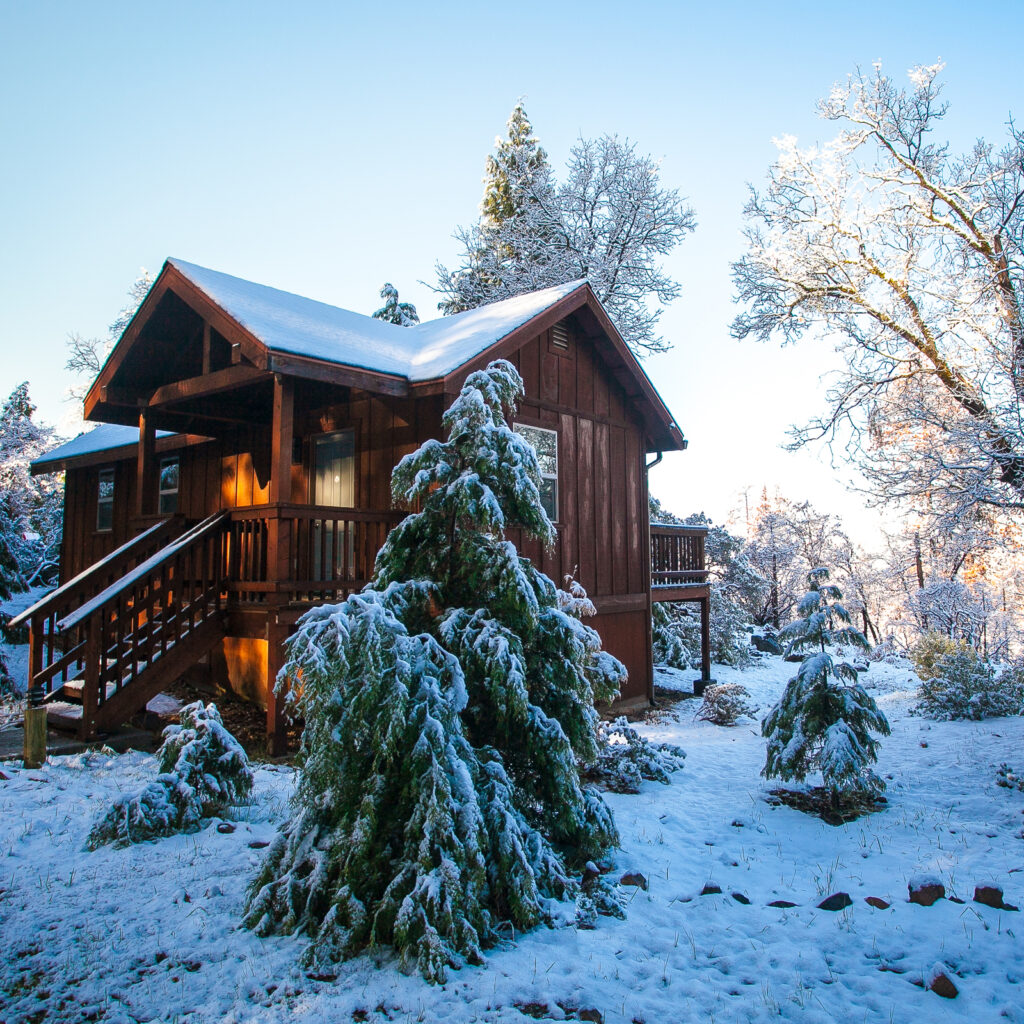
Evergreen Lodge Yosemite Winter Cabins

The park’s eastern (Tioga Pass) entrance is closed seasonally due to snow, so the best area to stay for winter access to Yosemite is near its western entrances, including the Hetch Hetchy and Big Oak Flat (Highway 120) entrances. Evergreen Lodge is located a short distance from both, putting you within easy reach of the area’s top wintertime attractions.

Important note: Evergreen Lodge “hibernates” for the first six weeks of the year. However, outside of this period, the lodge reopens to welcome guests looking for a cozy base for exploring Yosemite in the quieter winter months.

Evergreen Lodge offers a collection of cozy cabins on a serene, 20-acre property filled with tall pine trees:

  • Deluxe Cabins with a king bed, a sofa bed, a gas fireplace, a private deck, and space for one to four guests
  • One-Bedroom Cottages featuring a king bedroom, a living room with a sofa bed, a fireplace, a private deck, and space for two to four guests
  • Two-Bedroom Family Cabins with a king bedroom and a two-twin bedroom, a living room with a queen sofa bed, a private deck, and space for four to six people
  • Vintage Cabins featuring a cozy queen bedroom, a small reading area, a covered front porch or deck facing nature, and room for two guests
  • One-Room Family Cabins offering a queen bed and bunk beds, a sitting area, a covered front porch, and room for up to four guests
  • Rental homes, including the 3-bedroom John Muir House, with space for six to ten guests, and the two-story Kay’s Nest, featuring a king bed, a sofa bed, a game room, and space for two to four guests
Evergreen Lodge Tuolumne Hall recreation center at Yosemite National Park.

Evergreen Lodge Amenities

On-property amenities at Evergreen Lodge include:

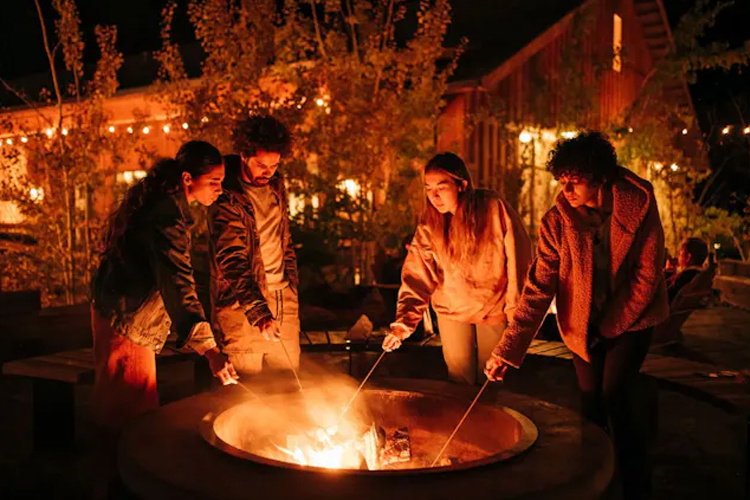
Rush Creek Lodge marshmallow roasting at Yosemite National Park.

Rush Creek Lodge & Spa Yosemite Winter Accommodations

Located on 20 hillside acres less than a mile from Yosemite’s Highway 120 West entrance, Rush Creek Lodge & Spa puts guests in a prime position to explore the Valley during winter. The resort offers more than 140 lodge rooms, suites, and hillside villas, with options including:

  • Lodge King Rooms with a king bed, a queen sofa bed, a private balcony, and space for two to four guests
  • Lodge Double Queen Rooms featuring two queen beds, a sitting area, a private balcony, and space for two to four guests
  • Lodge Suites with a king bedroom, a living room with a queen sofa bed, a gas fireplace, a private balcony, and room for two to four guests
  • One-Bedroom Villas with a king bedroom, a living room with a queen sofa bed, a gas fireplace, and room for two to four guests
  • Two-Bedroom Villas with a king bedroom, a double-twin bedroom, a sitting area with a sofa bed, a gas fireplace, a private balcony, and space for four to six guests
  • Two-Bedroom Villas with two king bedrooms, a sitting area with a sofa bed, a gas fireplace, a private balcony, and room for four to six guests
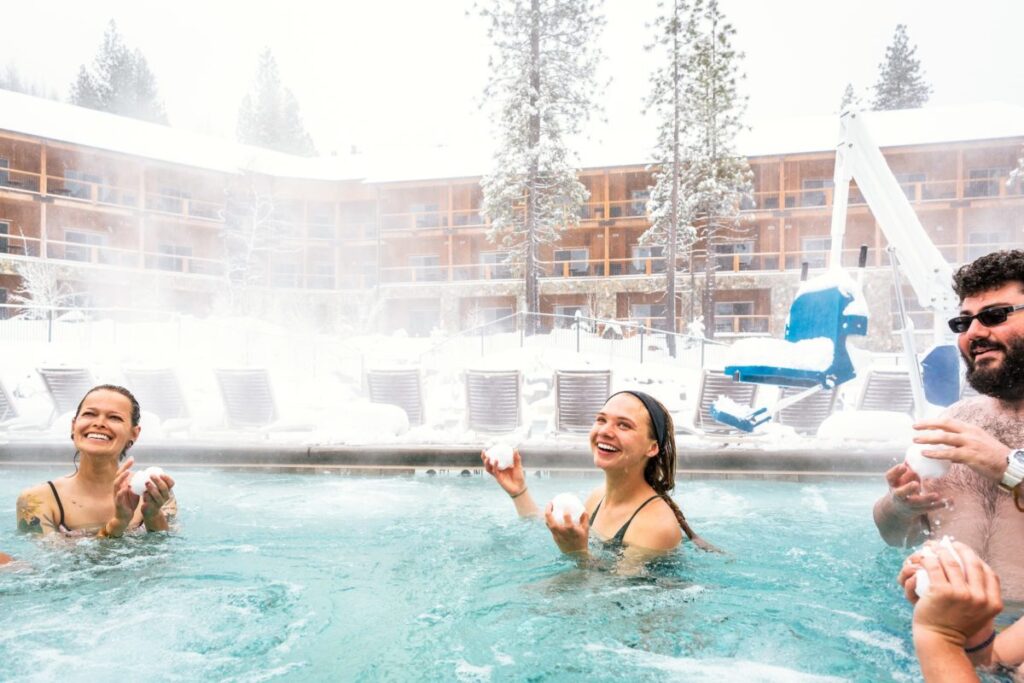
Rush Creek Lodge saltwater pool during winter at Yosemite National Park.

Rush Creek Lodge Amenities

On-site amenities at Rush Creek Lodge include:

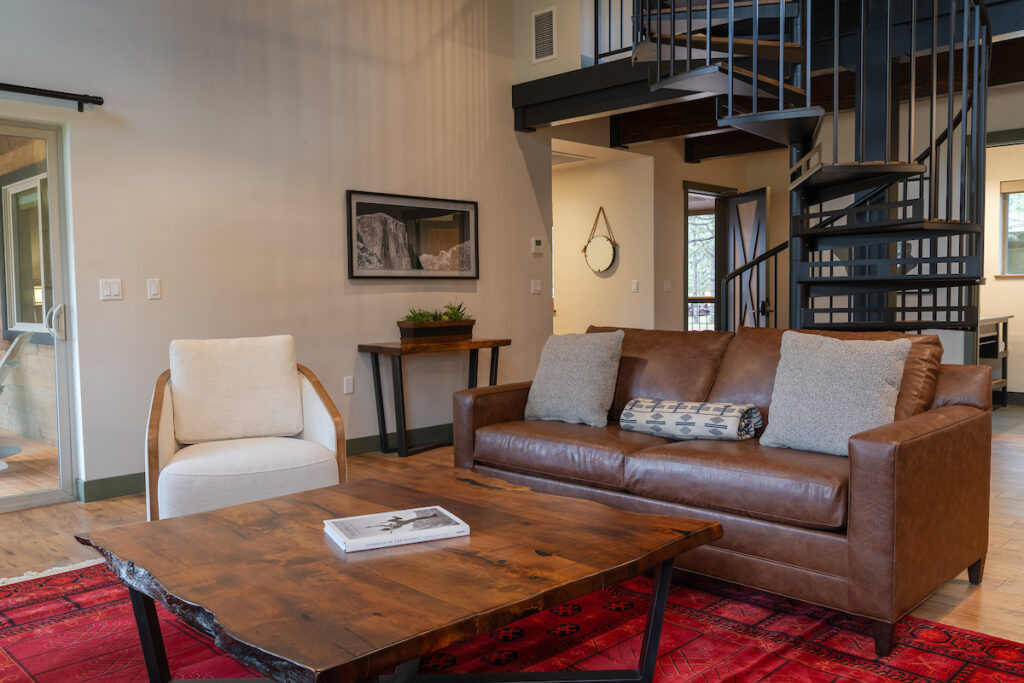
Firefall Ranch Villa living room at Yosemite National Park.

Yosemite Winter Lodging at Firefall Ranch

Firefall Ranch is a 300-acre mountain resort located about 15 miles from Yosemite’s Big Oak Flat entrance. Its peaceful property features comfortable cottages and villas perfect for your winter vacation:

  • One-Bedroom Cottages with a king bed, a sitting area with a queen sofa bed, an indoor/outdoor gas fireplace, a private covered deck, and room for two to four guests
  • Two-Bedroom Cottages with a king bedroom, a double-twin or queen bedroom, a sitting area with a queen sofa bed, an indoor/outdoor fireplace, a large covered deck, and space for four to six guests
  • Three-Bedroom Villas with a king bedroom, a queen bedroom, a loft with two twin beds, a living room with a queen sofa bed, a gas fireplace, a kitchenette, a large covered deck, and room for four to eight guests

Firefall Ranch Amenities

On-property amenities at Firefall Ranch include:

While winter is the best time to visit Yosemite to avoid crowds, popular lodging spots still fill up fast. Booking your Yosemite-area wintertime lodging as far in advance as possible is helpful if you have your eye on a specific property or cabin, as some accommodations are limited. 

For those seeking an offseason escape, Evergreen Lodge, Rush Creek Lodge & Spa, and Firefall Ranch provide ideal home bases for winter activities and exploration in Yosemite National Park. Choose your favorite resort and book your trip today!

The Best Hotels Near Yosemite Valley

Evergreen Lodge, Rush Creek, and Firefall Ranch are among the best hotels in Yosemite Valley, offering fantastic lodging and amenities surrounded by nature. Most people visiting Yosemite stay in resort-style lodges like these because the accommodations and extensive amenities make downtime between hikes and sightseeing adventures seamless. The popular cabins, hotel rooms, and villas blend rustic charm and modern living, making these properties ideal for groups, families, couples, and even pets.

While it’s hard to go wrong with any of the Yosemite Valley hotels, the right lodging depends on your vacation itinerary, travel companions, and preferences. Follow along to see the top hotel options near Yosemite Valley and find the right fit for your next visit.

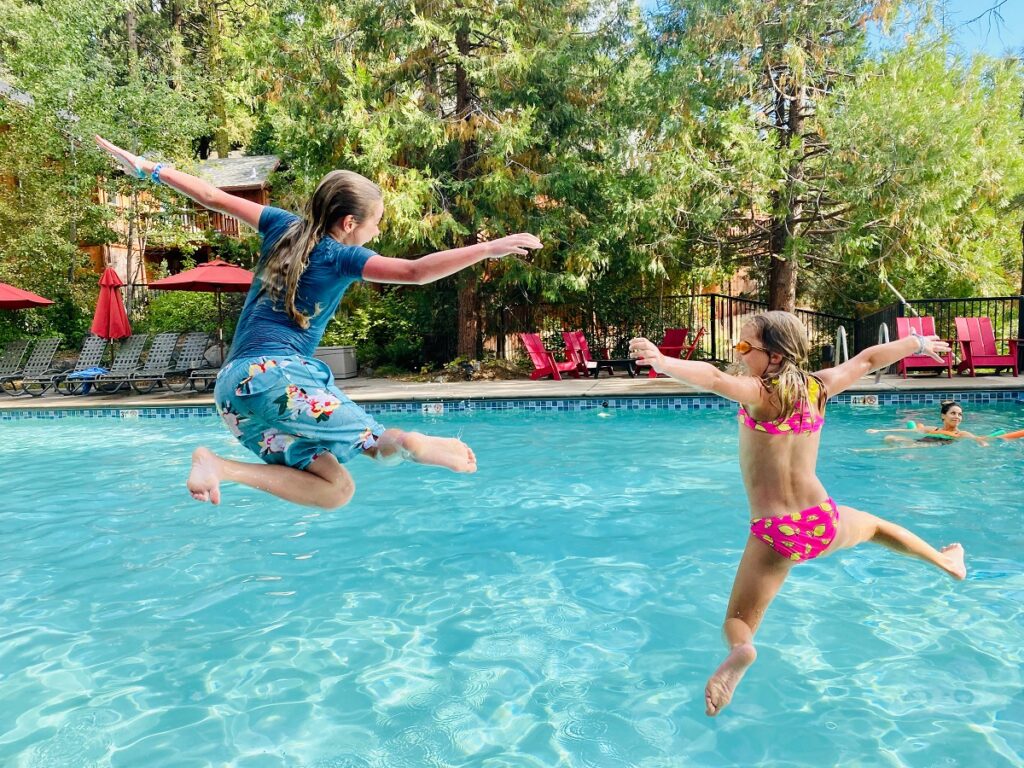
Pool fun in Yosemite.

Family-Friendly Hotels in Yosemite

You don’t have to worry about exploring Yosemite with kids—this family-friendly area offers hikes for all skill levels, resorts with extensive amenities, and excellent family lodging. Rush Creek Lodge, Evergreen Lodge, and Firefall Ranch each provide amenities and all-ages entertainment, so you won’t miss out on fun staying at any of these lodges.

Each property features a stunning pool deck, complete with a saltwater pool and hot tub, perfect for cooling off and relaxing. The outdoor recreation areas also abound at these resorts, providing a variety of spots for families to gather, play, and relax. The daily programming at Rush Creek, Evergreen, and Firefall Ranch includes activities like crafts and games, giving everyone opportunities for hands-on fun.

Here are a few unique highlights of the amenities each hotel near Yosemite Valley provides:

  • Rush Creek Lodge features an on-site spa that offers individual treatments, including a kids’ foot soak, and day-use passes for rejuvenating family time.
  • Evergreen Lodge is home to a beginner-friendly disc golf course and a nature trail winding around the property, providing the ideal launching point for Hetch Hetchy, Yosemite’s hidden gem.
  • Firefall Ranch offers sand volleyball courts and complimentary bicycles, and the on-site stables provide access to horseback riding adventures and pony rides.

While the kids play, parents and grandparents can relax poolside with a drink, soak in a saltwater hot tub, and explore the grounds on strolls or strenuous hikes. The Rush Creek Spa and Evergreen Lodge’s private massage cabanas are parent-approved and appreciated—especially after a long day exploring the park.

From double-bed hotel rooms to multi-room cabins, the lodging options at Rush Creek, Evergreen, and Firefall Ranch accommodate any family size or budget. If you’re booking hotels near Yosemite Valley for a larger group or multiple families, consider Firefall Ranch’s 3-bedroom villa (sleeps 8) or Evergreen Lodge’s John Muir House (sleeps 10).

If you require accessible accommodations, Firefall Ranch, Rush Creek Lodge, and Evergreen Lodge are committed to accessibility. You’ll find accommodating rooms, parking, public areas, pools, and other facilities throughout these resorts.

  • Rush Creek Lodge offers ADA options for its suite, villa, and traditional room layouts, with everything you need for a comfortable stay, including a roll-in shower or accessible tub.
  • Evergreen Lodge’s ADA accommodations include updated ground-level cabins or custom canvas tents for comfort and convenience.
  • Firefall Ranch features ADA-accessible lodging for solo travelers, couples, or families in one-, two-, or three-bedroom villas with a roll-in shower.

All three locations make ideal base camps for families to explore Yosemite’s many attractions.

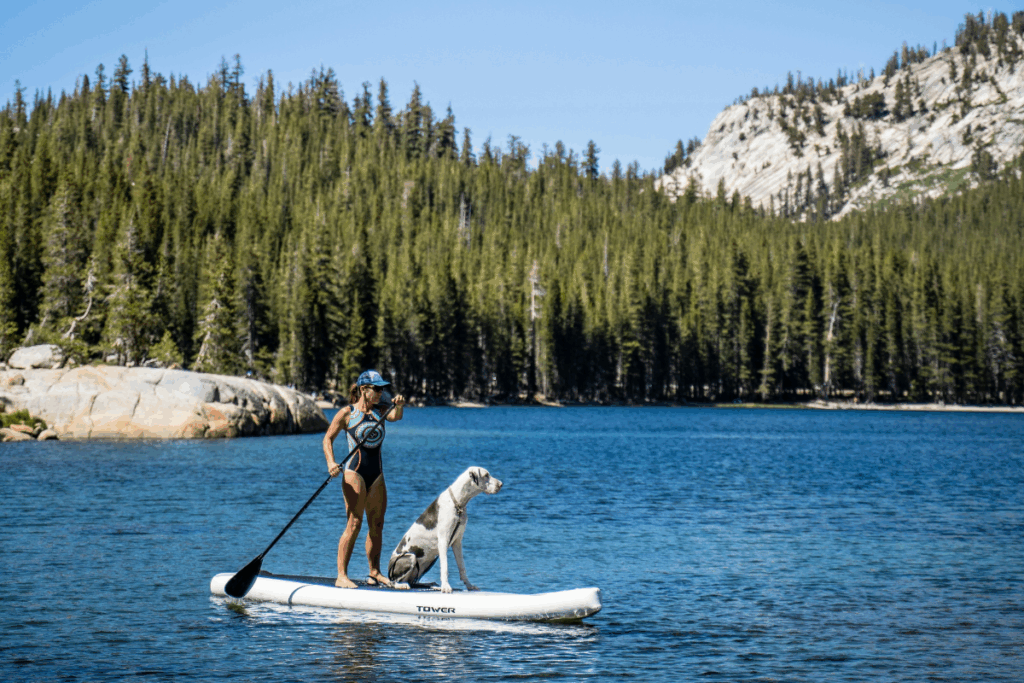
Woman paddle boarding with her dog in Yosemite.

Dog-Friendly Hotels Near Yosemite Valley

Traveling with pets? You’ll be pleased to know that one of the best Yosemite hotels is dog-friendly. Firefall Ranch welcomes your pet at an affordable “Doggie Daily Rate” (for two dogs), per its pet policies. Pet amenities include water bowls, dog beds, and spacious, comfy crates, and the on-site general store also stocks treats and toys for your canine companions.

Leash up and explore! Dogs are only allowed on a leash on designated paved trails on the Yosemite Valley floor. Consider exploring the many miles of trails and forest surrounding Firefall Ranch for alternative dog-friendly hikes during your stay. Read up on Yosemite’s pet policies to leave no trace and keep everyone, including your dog, safe.

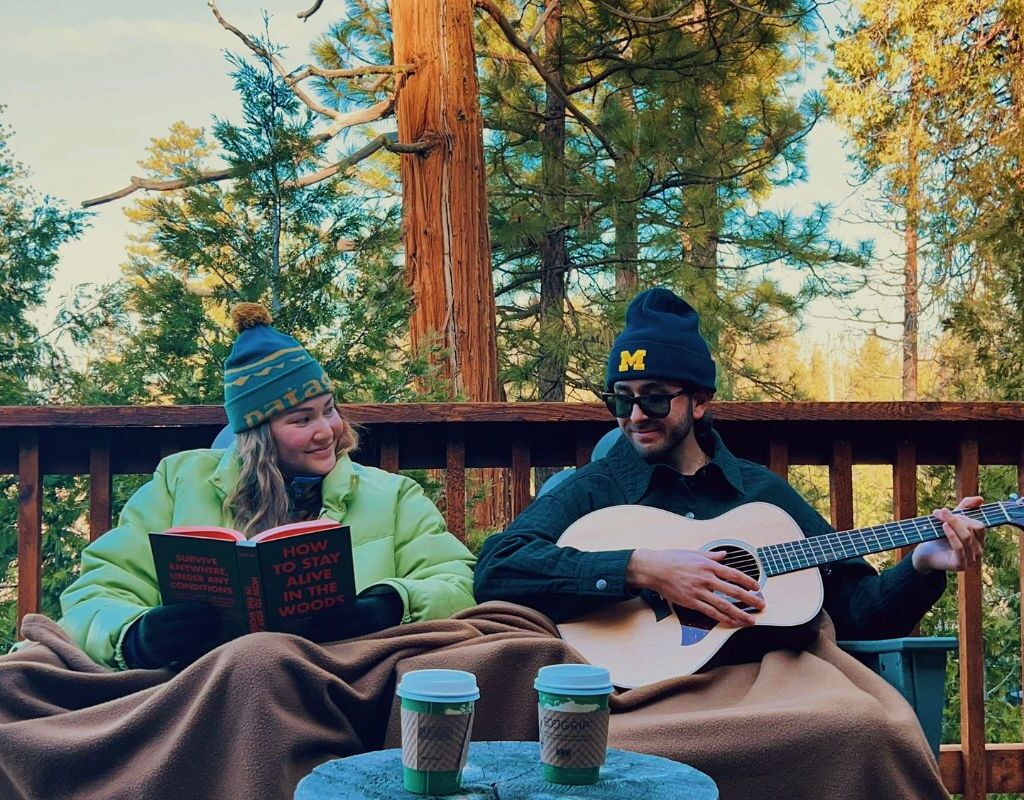
Couple on their cabin deck in winter in Yosemite.

Ideal Yosemite Escapes for Couples

Yosemite is a romantic destination for couples celebrating milestones or spending time together surrounded by natural beauty. 

If you’re looking for intimate vintage accommodations, the cabins at Evergreen Lodge inspire connections with nature and each other. Enjoy a date night at the on-site restaurant, share a meal alfresco, or book a massage amongst the pines in one of the lodge’s wellness cabanas.

The rooms at Rush Creek offer a more traditional hotel experience, with incredible views from your private balcony. The on-site spa enhances your romantic getaway, and the tavern provides a fun date-night atmosphere.

Firefall Ranch’s cozy luxury villas cater to couples seeking a serene time away. Use the complimentary bikes to take a playful ride through the area or plan a romantic picnic and swim at nearby Carlon Falls. If having your pet along puts you at ease, Firefall Ranch is one of the best dog-friendly hotels near Yosemite Valley. Enjoy meals with your dog by your side at our outdoor dining venues.

Make plans through your resort’s recreation department, your backstage pass to Yosemite. Our staff are experts on the area and can help you plan secluded hikes and adventurous excursions. If you need equipment or advice, our team will have you exploring trails like an insider in no time.

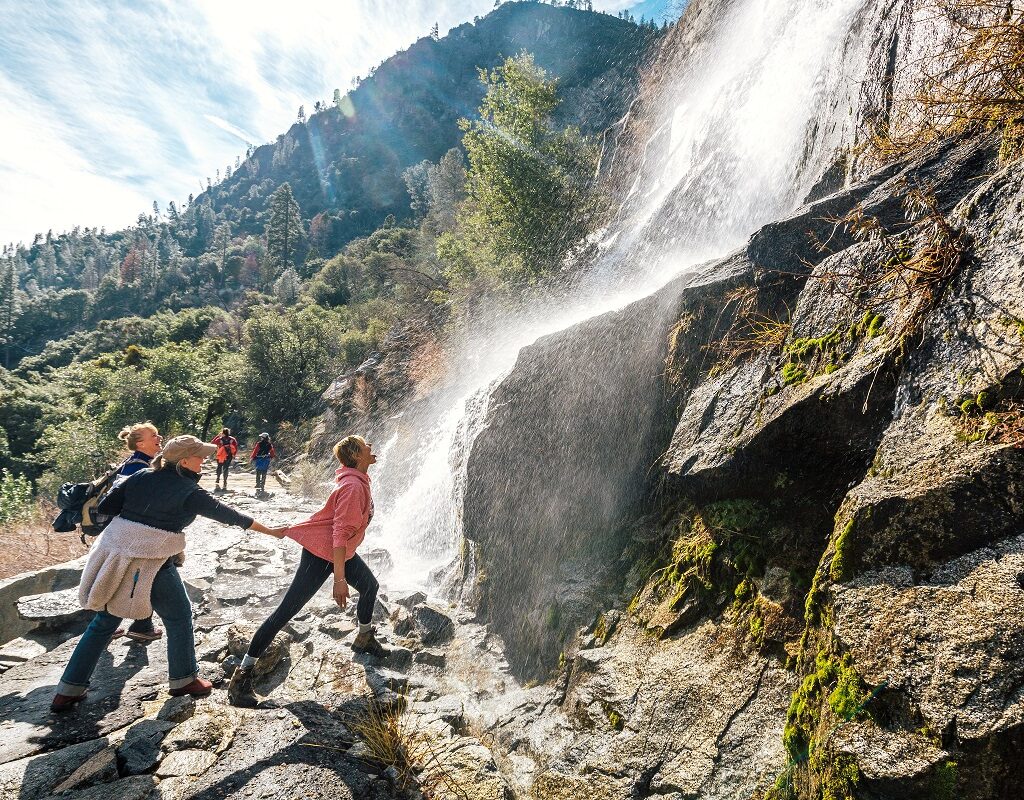
Hetch Hetchy Waterfall Hike.

Ideal Base Camp for Yosemite’s Best Waterfalls

Spring is the best time to visit to see Yosemite’s waterfalls as the melting snow from May to June causes peak flow. As the weather warms, things begin to open up in this region, so you’ll find more options for lodging, trails, and activities.

Rush Creek Lodge is only 5 minutes from Carlon Falls, a small waterfall with fewer crowds, and 40 minutes from the treasured waterfalls of Yosemite Valley. Rush Creek’s YARTS stop provides bus service to and from Yosemite Valley and bypasses any reservation system that might be in place.

Evergreen Lodge is the closest hotel to Hetch Hetchy (Yosemite’s hidden gem), home to popular waterfall-viewing destinations. Hetch Hetchy’s entrance, just one mile from the lodge, provides access to Wapama Falls, Tueeulala Falls, and Rancheria Falls.

Best Hotels Near Yosemite Valley by Season

Thankfully, there is no bad season to visit Yosemite—this park offers stunning views and adventurous hikes all year. Most lodging options are available year-round, and many amenities are too. If you’re torn on where to stay in a specific season, here are lodging highlights of warm and cool seasons:

Winter and Fall Yosemite Hotels

For cool-weather explorers, Rush Creek and Evergreen Lodge are the places to be for snowshoeing and winter hiking. Though Evergreen Lodge hibernates for the first six weeks of the year, its seasonal experiences are worth the wait. This area offers plenty of things to do in the winter to keep any nature lover busy, from renting snowshoes to making s’mores to joining in holiday activities. If you love snow sports, a day on the slopes at Dodge Ridge ski area nearby is a convenient alternative for laid-back fun.

Travelers more interested in an intimate, indoor winter getaway should consider Firefall Ranch. This upscale hotel’s winter atmosphere is tranquil, and you’ll especially love the villa’s double-sided fireplace and the spa-style bathroom’s heated floors. The property’s proximity to the Old West town of Groveland makes it easy to find entertainment near your Yosemite Valley hotel.

While many hotels near Yosemite Valley are open year-round, some roads and lookouts may be closed in the winter; double-check what’s open as you plan your itinerary. Check out our travel updates page for more information.

The pool areas at Rush Creek and Firefall Ranch are open in winter, weather permitting, so you can take an exhilarating lap or two or stargaze from a bubbling hot tub.

Spring and Summer Yosemite Lodges

Expect the hotels around Yosemite Valley to be bustling during the late spring and summer. The warmer months are best for wildflower viewing and seeing waterfalls, and these times are also when you’ll have access to the most excursions and trails.

Staying slightly farther from the park’s entrance in a standalone villa at Firefall Ranch may afford you added privacy, making it an ideal alternative to the hustle and bustle of Yosemite Valley.

If you like excitement, Rush Creek and Evergreen Lodge provide an energetic atmosphere that may be more your style. For those who love—or want to try—glamping, Evergreen Lodge offers canvas tents for summertime guests.

Each of these hotels is near swimming holes, lesser-known waterfalls, and other Yosemite hidden gems—many of which are inaccessible in other seasons.

The best hotels near Yosemite Valley are ready to host your epic Yosemite adventure! Book your stay early to secure your ideal lodging style. Whether you’re visiting the area with your family, a partner, or hiking companions, you’ll find hotels near Yosemite Valley with all the features you need for an unforgettable stay.

What Is The Best Time Of Year To Visit Yosemite?

We feel the best time of year to visit Yosemite is either late May or early September, when you’ll enjoy fewer crowds, moderate temperatures, and plenty to do. Most specifically, the week after Memorial Day and the week after Labor Day are the best arrival dates in Yosemite because tourists subside, but the activities are at their peak.

Though we love post–Memorial Day and after–Labor Day trips to Yosemite, we understand those weeks aren’t ideal for everyone. To help you plan, we’ve highlighted the best months to visit Yosemite, the perks of each season, and tips for visiting throughout the year. Once you’ve selected a date, check our special offers for seasonal deals at Evergreen Lodge,  Rush Creek Lodge, or Firefall Ranch, our cozy lodges near Yosemite National Park.

The Best Month for an Unforgettable Yosemite National Park Trip

If we had to choose the best month to visit, we’d say arrive in May to experience peak waterfall and wildflower season. May’s weather is usually mild enough for longer hikes and lingering hot tub sessions, and our resort activities are in full swing. If you can’t make it in May, early June offers a similar experience.

While hiking and hot tubbing is our ideal vacation itinerary, you might have your own ideas. Visiting Yosemite National Park in November, when you can enjoy crisp weather and wide-open spaces, might be more your style. When planning your vacation, the weather conditions and park access are also huge factors to consider. 

Those wanting a classic park experience probably don’t want to go to Yosemite National Park during months with extreme temperatures, like January, February, July, and August. Winter months with heavy snowfall can cause unexpected road closures, making getting to the park and sightseeing challenging. Peak summer months in Yosemite can be oppressively hot if you plan on long hikes in the Valley, and the park will be at capacity with summertime visitors. But if you’re into seasonal activities, these months provide exclusive activities and fleeting sights.

When To Arrive in Yosemite for Seasonal Highlights

Planning is key to an enjoyable Yosemite vacation. Visiting Yosemite in September offers an entirely different experience from April. If you want to see waterfalls, spring is a better time to visit Yosemite than fall, but if you seek colorful foliage and cooler temperatures, autumn is ideal. For snowshoeing and winter sports, aim for mid-December, and plan a summer arrival for off-the-beaten-path trails and swimming holes. 

Here’s a quick rundown of each season’s highlights:

  • Winter features icy waterfalls and experiences reserved for cooler temperatures, but lodging options and amenities may be limited.
  • Spring is the best time of year to see waterfalls and wildflowers in Yosemite, and if you arrive later in the season, you’ll be treated to peak-flowing falls and many open trails.
  • Summer is Yosemite’s busiest season, but it’s excellent weather for camping, swimming, and exploring high elevations.
  • Fall provides an uninterrupted all-access pass to the park to explore at your own pace with fewer fellow visitors, and the foliage is best while visiting Yosemite in late September or mid-October.
Giant Sequoia Snowshoe Selfie (Kim Carroll)

The Perks of Visiting Yosemite National Park, November–March 

Though winter may not be the best time to go to Yosemite National Park for everyone, the smaller crowds and Nordic-style adventures make these months some of our favorites. During the winter, average temperatures (°F) range from the mid-40s to the low 20s. For those who love winter sports, visiting Yosemite National Park after November makes for an unforgettable vacation.

The Highlights of Going to Yosemite in Winter

December and January are the best times for winter enthusiasts to go to Yosemite National Park. Visitors can enjoy tubing, snowshoeing, and skiing (downhill and cross-country) at Badger Pass Ski Area on Glacier Point Road. This ski hill usually opens mid-December, if conditions are right. Our Yosemite lodges are about an hour away, but getting to the slopes is easy on the nearby shuttle. 

Whether you want to warm up after a day on the ski hills or simply watch the snowfall from inside, our cozy Yosemite accommodations with fireplaces are ideal. We offer gas fireplaces in Deluxe Evergreen cabins and one-bed cottages, cast iron gas fireplaces in select Rush Creek suites or villas, and luxurious two-sided fireplaces in all Firefall Ranch villas. If the weather is mild, our resorts’ hot tubs will keep you warm amidst a snowy backdrop.

Firefall waterfall phenomenon in Yosemite.

The Best Sights for Winter Visits to Yosemite

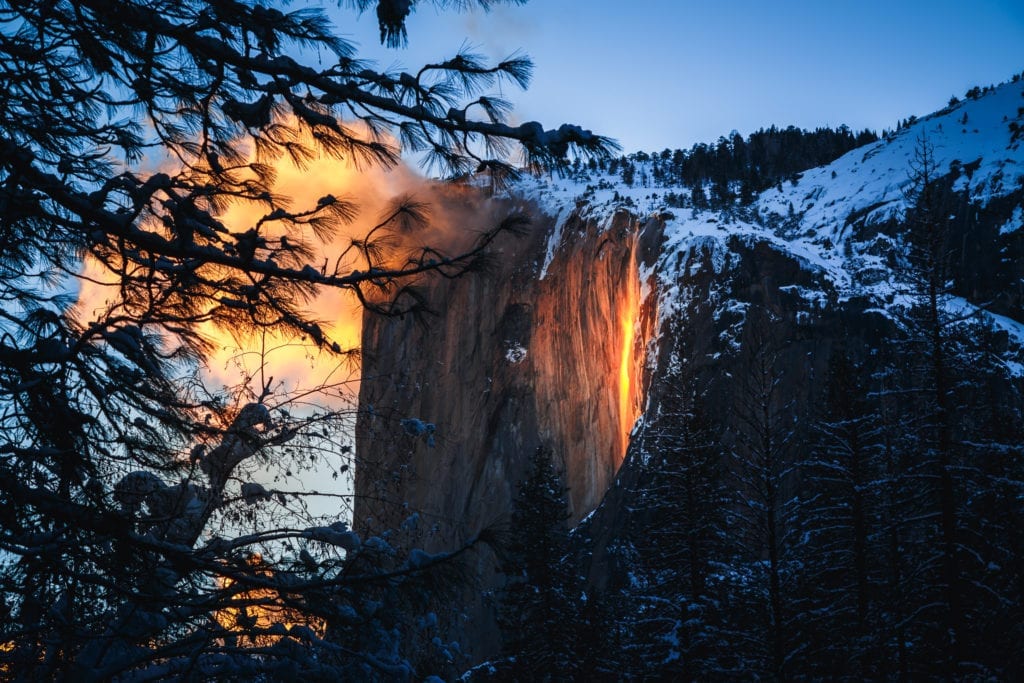
Winter in Yosemite offers more than snow sports and smaller crowds. It’s also the only time of year guests can see the Horsetail Fall Firefall, a unique phenomenon in Yosemite Valley. If you’re considering a winter retreat to Yosemite National Park, the best time to go to see this natural beauty is usually during the last two weeks of February. Horsetail Fall is located on the eastern edge of El Capitan. On clear evenings, as the sun sets, the light reflects on the waterfall, causing it to glow with vibrant oranges and yellows that look like fire. Check out NPS.com for more details.

Yosemite’s Winter-Only Events

Another winter-only event in Yosemite is the annual Bracebridge Dinner, where park visitors have the chance “to party like it’s 1899!”  This event has been a legendary part of Yosemite’s history since the 1920s, surprisingly inspired by renowned landscape photographer Ansel Adams. The Bracebridge Dinner transports patrons to 18th-century England for a Christmas pageant and multi-course dinner. The Ahwahnee Dining Room transforms into a majestic manor hall thanks to elaborate decorations, and exquisitely costumed singers—members of the San Francisco Opera—fill the room with beautiful music.

Free Admission for Winter Visits to Yosemite

Yosemite National Park has several Free Entrance Days throughout the year. This provides another way to enjoy Yosemite on a budget. Though these dates may change annually, the park’s free entry dates for winter visitors often include:

  • Veterans Day
  • Martin Luther King, Jr. Day

Preparing To Visit Yosemite National Park in November to March

The challenge of the winter months in Yosemite is temporary road closures due to snowfall. A majority of the park’s precipitation for the year (most of which falls in the form of snow) occurs between November and March. Here are some things to remember about planning a winter trip to Yosemite:

  • Roads often become inaccessible to plows and other vehicles. 
  • Tioga, Glacier Point (beyond the Ski Area), and Mariposa Grove roads close annually during the winter. 
  • The eastern entrance of the park is inaccessible due to road closures.
  • Snow chains are required in many areas of the park that remain open.
Wildflowers in Yosemite National Park.

The Benefits of Yosemite Vacations, April–May 

Spring in Yosemite National Park is one of the best times to go sightseeing for wildflowers, view waterfalls, or go whitewater rafting. In April, the average temperatures (°F) range from the mid-50s to the mid-30s, and in May, the averages range from the 60s to the mid-30s. We love to watch the world thaw, signaled by wildflowers and dogwood trees finding their way into bloom.

Merced River White Water Rafting

The Best Springtime Activities at Yosemite

Snow melt causes waterfalls throughout the park to begin flowing, reaching peak momentum in the spring and inspiring some of the best seasonal activities, including: 

  • Waterfall Viewing: Hearing the roaring, rushing water and feeling the spray of the falls is an unbeatable experience. 
  • Rafting: The increased water flow kicks off the season for river rafting in Yosemite, and the area offers intense whitewater adventures and leisurely floats for any skill level. 
  • Photography: Spring is a prime time to snap contest-worthy photos of the spectacular wildflowers and waterfalls as these brilliant features wake up from winter.
  • Trail Hiking: Lower elevation trails like Yosemite Valley and Hetch Hetchy become accessible during spring, offering additional places to explore.

Yosemite’s Springtime Events

Early May brings the annual Yosemite Half Marathon. This event sells out quickly, so participants are encouraged to reserve their spots early. If you’re running, book your stay and a spa appointment at Rush Creek Lodge Spa or reserve one of Evergreen Lodge’s private massage cabanas for a relaxing recovery after the race.

Free Activities and Park Entry

The National Park Service hosts Earth Day events nationwide, including at Yosemite National Park. This initiative focuses on educating visitors about nature, safety, and protecting the parks with lively music, tours, and activities. During the spring, enjoy free park entry on the first day of National Park Week.

Tips for the Best Springtime Visit to Yosemite

Even though the snow stops falling around March in Yosemite, the plowing process normally isn’t completed for a couple of months. We live by the local saying that “winter isn’t officially over until snowfall has dusted the dogwoods.” Keep these tips in mind when planning a spring trip to Yosemite:

  • Access to the Mariposa Grove typically reopens in April. 
  • Tioga and Glacier Point roads reopen between late May and early June most years. 
  • Springtime visitors still experience limited access within the park; the snowfall from the previous winter determines when seasonal roads and trails reopen. 
  • High-elevation hiking isn’t recommended without proper hiking equipment and experience.
  • Lower elevation trails may still have snow and ice patches, so watch your step.
Rainbow Over Tuolumne Meadows (Robb Hirsch)

Visiting Yosemite in Summer, June–August 

Summer in Yosemite brings with it complete access to the park. This time of year, all roads will be accessible. Temperatures (°F) average in the 80s during the day and 40s during the night. Depending on your elevation, you may see daytime temperatures reach the 70s in the mountains or the 90s in the valleys.

Summer Camping in Yosemite

Summer is the best time of year for camping in Yosemite. All of the campgrounds are open, and there is very little precipitation during these months. Comfortable evening temperatures are wonderful for stargazing and exploring the park to find moonbows, rainbows formed by the light of a full moon. We offer custom Yosemite resort glamping at Evergreen Lodge, and families staying at Rush Creek Lodge in summer can enjoy afternoons hiking our property trails.

The Best Activities for Yosemite Summer Visitors

Summer is also the best time to go to Yosemite National Park’s nearby meadows and high elevations. We specifically recommend visiting Tuolumne Meadows off of Tioga Road in the summer. This area is about 4,000 feet higher than the ever-popular Yosemite Valley, which makes for much cooler temperatures and a pleasant experience. 

For those looking to climb Half Dome or hike the High Sierras, summer is your season. This time of year is perfect for snow-free high-elevation explorations. Please note that permits are required for most high-alpine hiking and backpacking trips.

You can also catch the annual Apple Picking Day at Yosemite in the summer. This event happens sometime in July or August, depending on when the fruit ripens. Join the drop-in volunteer event to help harvest the historic apple orchards in Yosemite Valley. Culling the fruit removes this tasty temptation from the park, helping alleviate human-bear conflicts and improving safety for everyone.

Free Park Admission 

The National Park Service offers free entry into Yosemite on Juneteenth (June) and the anniversary of the Great American Outdoors Act (August). These may vary yearly, so check with the NPS before your arrival to be certain.

Tips for Visiting Yosemite in Summer

Summer is known to be Yosemite’s busiest time of year, so plan in advance for crowds. Summer is also wedding season here in Yosemite. Use these tips to plan a successful summer trip to Yosemite:

  • Overnight reservations within the park fill up quickly and must be made far in advance. 
  • All days during the summer are busy, but the peak dates are the weekends surrounding Memorial Day, July Fourth, and Labor Day. 
  • Yosemite waterfalls begin to dry up during summer, so plan your arrival accordingly if you want to catch these. Only waterfalls at higher elevations will still have running water by mid-summer. 
  • Look for accommodations with a lush pool bar, like at Evergreen Lodge, for serenity amid the busy season and plenty of cooling libations to drink.
Firefall Ranch Local Hike - Kim Carroll Photography

The Highlights of Visiting Yosemite, September–October

Autumn in Yosemite means fewer crowds, cooler temperatures, and splashes of fall foliage. September is an excellent time to visit Yosemite, especially after Labor Day, when you can enjoy all of the park’s hiking and sightseeing activities, plus all of the resort’s experiences, without heavy crowds. 

In September, temperatures (°F) range from the 60s to the mid-40s. October sees temperatures in the low 50s to low 30s. These cooler temperatures make for great long-distance hiking and Yosemite day hikes, and they are also comfortable for families exploring Yosemite with kids.

The Best Time for Hiking in Yosemite

Fall delivers glorious rock-climbing weather, and we locals refer to October as “Rocktober,” when you’re most likely to spot big wall climbers scaling the face of El Capitan. At night, you can spot their headlamps dotting this world-famous granite monolith. This time of year also opens the short window when stunning fall foliage is sprinkled among the steadfast evergreens, making hikes extra special. Walk the trails yourself or select an unforgettable Yosemite tour. 

After your hikes, you’ll be happy to return to cozy accommodations to relax and recount your adventures while looking at the brilliant scenery from your balcony. Dine at Rush Creek, grab a bite at Evergreen Lodge’s restaurants, or refuel with California-tinged South American cuisine at Firefall Ranch’s YOVA.

Free Fall Park Entry Days

In autumn, enjoy free park entry on National Public Lands Day.

Tips for Visiting Yosemite in September or October

Remember to pack your essentials for a day hike and check our Yosemite travel updates to stay current on conditions in the area. If you’re visiting Yosemite in September, take advantage of the last opportunities for driving through Yosemite before the roads close for winter. The further into October, the higher the risk for road closures. Here are some dates and times to plan around:

  • October 15 is noted as the last day for overnight parking on Tioga and Glacier Point roads due to the threat of snowstorms. 
  • You may see temporary closures for smaller snowfalls even before official seasonal closures. 
  • After the first heavy snowstorm, normally between mid-October and mid-November, seasonal roads such as Tioga Road begin closing until spring. 
  • Several of the waterfalls in Yosemite Valley will have dried up by fall.

Helpful Yosemite Travel Planning Guides

Get all the travel planning information you need with our helpful guides:

Now that you know what the best time of year is to visit Yosemite based on your dream itinerary, go ahead and start planning. You’ll find countless activities, hikes, and sights just minutes from our convenient, comfortable accommodations. Book your stay at Yosemite hotels to enjoy the perfect home base for visiting the park in every season.

Best Time to Visit Yosemite for Waterfalls

Chasing waterfalls in Yosemite? Let us guide you to the best viewing times for Yosemite waterfalls to make your getaway to this oasis unforgettable. Yosemite is home to countless waterfalls, from cascading Yosemite Falls to wonders like Vernal Fall, all flowing at various times throughout the year. Several factors, including weather conditions and snowpack, can influence the waterfalls’ flow and optimal viewing times. The sights around Yosemite are impressive anytime, but catching these majestic natural features while they last takes planning.

See what you can expect for waterfall flow and which of Yosemite’s falls will be putting on the best shows during your visit to Yosemite:

Firefall waterfall phenomenon in Yosemite.

When Is Peak Waterfall Season in Yosemite?

Peak waterfall season begins in April in Yosemite and lasts until June, giving travelers many opportunities to see these awe-inspiring natural features. This period is ideal for viewing waterfalls at their fullest because April’s snowmelt and seasonal rainwater replenish the water volume. If you want to experience waterfalls’ booming sounds, roaring cascades, and misty spray, peak season at Yosemite is your best chance.

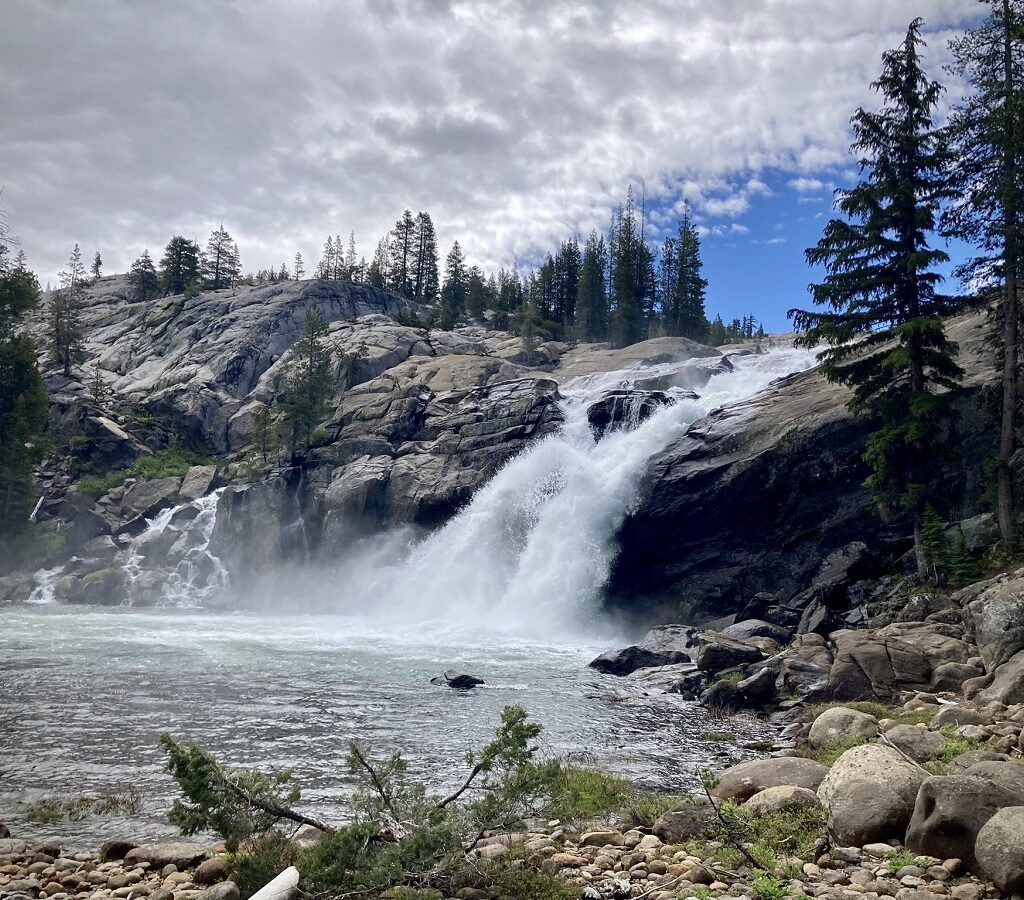
glen aulin waterfall in yosemite national park.

Best Month for Waterfalls in Yosemite (May vs. June)

May and June are both incredible months for waterfall viewing at Yosemite. The amount of snowpack in the mountains and the weather conditions during the spring months affect the peak flow of the area’s waterfalls. A large snowpack and extreme melt mean the falls will be at full roar in May but may be quieter in June. Likewise, a slower warmup may give the advantage to June for the best month to view the falls, as they will benefit from snowmelt and seasonal rain.

Drier conditions as summer approaches will reduce the water volume and effects, so you’ll want to plan your arrival before June’s end. Some waterfalls, including the famous Yosemite Falls, slow to a trickle or even stop flowing completely in the summer months.

Lower Yosemite Falls (Jim P) in Yosemite National Park.

Yosemite Waterfalls by Season

While it’s known that some of the best waterfall viewing happens in the spring, don’t count out other times of the year for sightseeing in Yosemite. This is a year-round destination for relaxation, exploring, and hunting natural wonders. Here’s the waterfall activity typical for Yosemite in each season:

Spring (Best Time To See Waterfalls)

Yosemite’s springtime is fantastic for sightseeing. Winter’s rainfall and snow has rejuvenated the waterfalls, so they are full and roaring. With roads and trails to viewing areas opening for the season, wildflowers and foliage blooming, and the waterfalls’ high flows, spring’s positioning as the ideal time to visit Yosemite is on target. If you arrive later in the season, you’ll see the iconic Yosemite Falls put on its best show, and you may even catch Sentinel Fall, one of the most graceful yet hard-to-catch displays in the Valley.

Summer (Which Falls Still Flow?)

While most of Yosemite’s waterfalls run dry by mid-to-late summer, a few perennial falls—Yosemite, Vernal, and Nevada—keep flowing, although even these diminish to a trickle as the season progresses. While spring runoff and rapids are excellent features, don’t discount the tranquility of a serene summertime waterfall.

Carlon Falls at Yosemite is one of Yosemite’s best hidden gems for summer visitors, and it’s only minutes from Rush Creek Lodge and Evergreen Lodge. This waterfall’s modest flow and size complement the idyllic surroundings of ferns and flowers, showing the serene side to waterfall landscapes less evident in peak seasons.

Fall (Limited Waterfalls, But Still Beautiful)

Most waterfalls reduce to a trickle or have run dry by fall, but that won’t leave visitors without incredible views and natural beauty. In the absence of deafening waterfalls and busy crowds, you can take in all the surrounding scenery and enjoy a more tranquil side to this beautiful area. If a waterfall is on your bucket list, autumn rains can coax a larger flow out of Nevada Fall and others.

Winter (Firefall and Snowy Landscapes)

Though Yosemite Falls doesn’t flow more than a trickle in the winter, the snow and cold temperature create fascinating ice formations at its base. These ice cones have been known to extend from the ground to as high as 322 feet (about the height of a 25-story building). Nearing spring, frazil ice can form in the waterfalls and creeks, creating brilliant crystals.

Another worthy wintertime phenomenon at Yosemite is the famous Firefall at Horsetail Fall. Each February hundreds of people flock to the Valley to catch the moments when sunlight streams through the thin sliver of Horsetail Falls and turns it a bright, molten orange. Though conditions must be exactly right to catch this, the event is a must-see worth waiting for.

Vernal Fall Double Rainbow (Michael C. 7-11-23)

Top Yosemite Waterfalls To Visit by Season

Most of the waterfalls in Yosemite are active seasonally. To make sure you catch a few of these during your hikes, scenic drives, and overlook outings, you’ll need to know which are active during your visit. Consult this list of the top waterfalls in Yosemite to guide your seasonal itinerary:

Best Spring Waterfalls in Yosemite

The top Yosemite waterfall to visit in spring is the iconic Yosemite Falls, which consists of three separate waterfalls: Upper Yosemite Fall, the middle cascades, and Lower Yosemite Fall. Peak flow is in May. 

Nevada and Bridalveil are two falls that flow year-round, and these thunderous waterfalls are spectacular in the spring. Bridalveil Fall is often the first you’ll see as you enter Yosemite Valley. Viewing this one from anywhere is special, but a hike (it’s quick, but steep) to its base offers unforgettable views. 

When the Glacial Point road opens in late May, you’ll see Nevada Fall at its peak. This waterfall looks phenomenal even from a distance, and if you want an up-close look, it’s accessible by a day hike.

Best Summer Waterfalls in Yosemite

Though their flow may be slowed, Vernal Fall and Nevada Fall are visible year-round (they may diminish exponentially late in the season). These two waterfalls are located on The Mist Trail, one of Yosemite’s best hikes. Bridalveil Fall is another waterfall in Yosemite available all year, and known for its characteristically light, swaying flow. This one offers many trails to its base to see this sight up close.

Best Fall Waterfalls in Yosemite

Fall is a slow time for waterfalls in Yosemite, but the area still affords many sights, including year-round waterfalls Bridalveil, Nevada, Vernal, and a few others. These won’t provide the rushing roar you’ll hear in the spring, but the surroundings and tranquility are beautiful nonetheless. Storms in the late fall might contribute to a temporary stronger stream, but water levels return to normal quickly.

Best Winter Waterfalls in Yosemite

The most famous Yosemite sight in the winter is the Firefall at Horsetail Fall, which provides a light show when the sunset hits the plunging water just right. Ranchiera Falls isn’t as dramatic, but its cascades flow for most of the winter, and its access trail is open year-round.

Bridalveil Fall and Yosemite Falls are also popular in the winter. When these waterfalls reduce to a slow trickle, ice and snow build up at their bases and in the mist to create beautiful icy formations and scenic wintry sights.

Hetch Hetchy Waterfall Hike (Kim Carroll)

Tips for Seeing Yosemite’s Waterfalls

If you’re heading to Yosemite to see any of the area’s countless waterfalls, remember to dress appropriately for the season and pack a raincoat or poncho so you’re ready for seasonal showers and misty environments. Hikers and trail explorers should invest in slip-resistant shoes, and anyone planning to take pictures should consider a waterproof case or dry bag for their camera or phone.

The lighting in the late afternoon or early morning is often best for photography, and those times can also be less crowded during busier seasons.

Where To Stay Near Yosemite’s Waterfalls

Your Yosemite hotel should be just as breathtaking and immersive as your waterfall experience. With the right lodging, you can enjoy convenient access to the best waterfalls in Yosemite, plus excellent accommodations for relaxing before and after hikes, exciting evenings in, and family-friendly entertainment.

These are our top picks for lodging during your Yosemite vacation:

  • Rush Creek: This hotel stands just outside the Big Oak Flat entrance to the park, providing convenience to trails and natural wonders, plus it offers an exceptional on-site spa and amenities. Rush Creek features many rooms, suites, and hillside villas.
  • Evergreen Lodge: Head one mile from the park’s Hetch Hetchy entrance to Evergreen Lodge, offering a classic Yosemite experience in a historic mountain resort with thoughtful modern amenities and additions. Check out the private cabins and cottages for an unforgettable family getaway. 
  • Firefall Ranch: Experience Yosemite’s newest lodging option, Firefall Ranch, near the park’s northwest entrance. This basecamp offers many cottages and villas, plus amenities for every vacationer.

Road Closures & Park Alerts

With the natural beauty of Yosemite National Park comes challenges for waterfall lovers, most notably, weather-related road closures. Watch the National Park Service Conditions page for real-time updates on road statuses and seasonal information, including which waterfalls are flowing and air quality alerts. Conditions can change quickly, so be mindful of detours and always obey posted signage. Thankfully, most waterfalls, including Bridalveil Fall, Ribbon Fall, Cascade Fall, and Horsetail Fall, are tall enough to be seen from a distance or a nearby road.

Yosemite Hidden Gems

Yosemite is world-famous for awe-inspiring sights, from the thunderous waters of Yosemite Falls to the towering granite cliffs of El Capitan, but there is a whole world of hidden wonders waiting for you beyond these well-known landmarks. For visitors seeking solitude and unique experiences, Yosemite hidden gems like those listed below offer a quieter, more intimate side of Yosemite. 

Hidden Waterfalls and Swimming Holes

Hetch Hetchy Wapama Falls (KimCarroll.com- RC MAR 2017-68)

Wapama Falls in Hetch Hetchy

In the Hetch Hetchy area, Wapama Falls roars at capacity in early spring and into summer. This powerful cascade is fed by snowmelt, sending torrents of ice-cold water over the granite cliffs as the sun melts snow at higher elevations. It is a 5 mile roundtrip from the O’Shaughnessy Dam to the series of bridges that cross directly in front of Wapama Falls for up-close views that you’d be hard pressed to find elsewhere. While long, the Wapama Falls Trail is moderately easy.

Yosemite Creek

For those who love a refreshing dip, Yosemite Creek is the perfect place for a swim. Tucked away among a lush woodland, Yosemite Creek is a lesser-traveled spot where visitors can wade in cool waters, picnic in the shade, and soak in the beauty of Yosemite. You can access Yosemite Creek via the Tioga Road, where a short trail leads right to the creek.

Chilnualna Falls

Chilnualna Falls is a series of cascading waterfall tiers located near the village of Wawona. This multi-level waterfall rewards hikers with tranquil spots to rest along the way and picturesque pools at the end. Accessible via the Chilnualna Falls Trail, this is a moderately challenging hike that covers about 8 miles round trip with 2,400 feet of elevation gain. Chilnualna Falls is the perfect choice for guests seeking a quieter but still exciting waterfall experience. 

Less-Traveled Trails and Viewpoints

Half Dome View from Glacier Point (Laura S.)

Four Mile Trail to Glacier Point

Four Mile Trail to Glacier Point is a historic Yosemite hiking route that climbs 3,200 feet from Yosemite Valley to one of the park’s most famous viewpoints. The trail’s terrain is varied and offers vista viewpoints of Yosemite Falls and Half Dome along the way, showcasing the grandeur of the park. While challenging, the panoramic views from Glacier Point make this 9.6-mile round-trip hike more than worth the effort.

Insider Tip: Most locals prefer this trail over Yosemite Falls! Four Mile offers stunning views to the west on the first half of the trail, and to the east (including Half Dome!) on the second half of the trail, in addition to the awe-inspiring sight at Glacier Point.

Taft Point in Yosemite.

Taft Point

For a dramatic but still accessible viewpoint, Taft Point offers sweeping views of Yosemite Valley, El Capitan, and the famous Merced River. Taft Point is a 2.2-mile round-trip hike that begins at Glacier Point Road trailhead and is relatively easy.

Sentinel Dome Trail

Sentinel Dome Tail is a 2.1-mile round-trip hike that provides 360 degree views from the summit. The trail has a gentle incline, making it easily accessible for many. The views of Yosemite Valley, Half Dome, and the surrounding peaks are nothing short of spectacular.

Hidden Valleys and Meadows

Hetch Hetchy Hike (Kim Carroll Photography)

Hetch Hetchy Valley

Hetch Hetchy Valley, with dramatic granite cliffs and a pristine reservoir, is a quieter alternative to the well-known Yosemite Valley. Home to waterfalls like Wapama and Teeulala Falls, the valley also offers excellent backpacking and hiking opportunities. Explore the valley’s rich history, including the controversial construction of the O’Shaughnessy Dam. 

Rainbow Over Tuolumne Meadows (Robb Hirsch)

Tuolumne Meadows

For high-elevation peace, Tuolumne Meadows is a can’t-miss spot in Yosemite National Park. This expansive alpine meadow hosts incredible swaths of wildflowers in the summer, framed by the park’s granite domes and peaks. Access is seasonal via Tioga Road and can be easily accessed from all three Yosemite Hotels.

Unique Experiences and Activities

Firefall Ranch Stargazing (Kim Carroll Photography)

Stargazing

Stargazing in Yosemite is unlike anywhere else in the world. With minimal light pollution, the park’s night skies light up with stars, constellations, the planets, and other celestial bodies. Hot chocolate, fancy telescopes, phone hookups for taking photos thru telescope. Guests at Rush Creek Lodge and Evergreen Lodge can join a stargazing tour for added adventure.

Historical Exploration

History enthusiasts are right at home in Yosemite. Explore the Yosemite Museum, the Pioneer Yosemite History Center, and historic trails like the Old Big Oak Flat Road. Learn more about the Native Americans originally present in the area, pioneers on the scene later, and visionaries who shaped Yosemite’s history. 

Wilma B. - Summer 2020 Photo Contest

Photography

For photographers visiting Yosemite, these hidden gems offer endless opportunities to capture once-in-a-lifetime photos. Try long-exposure shots of cascading waterfalls, get up early for a spot photographing the sunrise, or make use of golden hour at the end of the day. Many photographers make time for a visit to Ansel Adams Gallery during their trip to Yosemite to see this famous photographer’s works.

Planning and Preparation

Before visiting any of Yosemite’s hidden gems, make sure you’re prepared! Check the National Park Service website for up-to-date information on permits, trail conditions, and seasonal road closures. Permits and reservations may be required for certain hikes, and winter travelers should be mindful of tire chain restrictions and other weather considerations. 

Best Time to Visit Yosemite

The best time to visit Yosemite varies by destination. Spring is ideal for waterfalls and the first wildflower blooms in the park, while summer sees waves of wildflowers moving higher and higher up in the park and access to high-elevation trails like Tuolumne Meadows. No matter when you visit, practice Leave No Trace Principles to preserve Yosemite’s natural beauty for generations to come. 

Yosemite’s hidden gems offer a chance to experience the park in an untraditional way. From tranquil meadows and secluded waterfalls to trails that test your limits and reward your efforts with incredible views, these lesser-known places to visit in Yosemite showcase the park’s endless beauty. Plan your visit today and uncover the Yosemite that waits beyond the crowds!

Yosemite at New Year’s

Things to Do

Yosemite is a magical place to ring in the new year. From festive parties and fireside s’mores to snowshoeing and spa treatments, this stunning destination delivers. Find everything you need to plan your trip and enjoy the best of Yosemite at New Years with this guide from YosemiteHotels.com.

New Year’s Eve 2024 Events in Yosemite

There are a number of exciting ways to celebrate New Year’s 2024 in Yosemite. Local resorts host gatherings that range from elegant multi-course dinners to casual family-friendly celebrations. Make a reservation now to save your seat at one of these Yosemite New Year’s Eve celebrations: 

  • New Year’s Eve at Curry Village – featuring a live DJ, cash bar, appetizers all night, and a midnight champagne toast
  • New Year’s Eve at Yosemite Valley Lodge – featuring live reggae music, food all night, a cash bar, and midnight champagne toast
Snowshoeing in Yosemite.

Outdoor Winter Activities in Yosemite

Perfect for outdoor enthusiasts of all kinds, winter activities in Yosemite can mean anything from gliding down the trails at Badger Pass to snowshoeing through a tranquil forest – whatever your heart desires! 

  • Yosemite winter hiking – Yosemite resorts like Rush Creek Lodge and Evergreen Lodge offer winter hiking experiences led by seasoned experts, or head out on your own with proper preparation
  • Snowshoeing in Yosemite – Explore Yosemite this winter with a snowshoe tour provided by Rush Creek Lodge, or easily rent your equipment from the lodge and hit the trails at your own pace
  • Cross-country skiing at Badger Pass – A scenic drive to Badger Pass Ski Area rewards guests with well-maintained trails that make it easy to explore the great outdoors

Other Yosemite Activities

If you’re looking for a more relaxed experience, you can enjoy Yosemite in the winter without strapping on a pair of skis. Visit the Ansel Adams Gallery in Yosemite Valley to see Adams’ famous photos of Yosemite, or even take a photography workshop yourself. The spa at Rush Creek Lodge is another popular choice for winter fun in Yosemite, offering nature-inspired spa services like the Himalayan Salt Block Sauna and heated river stone massages. As the night winds down, ruminate on your New Year’s resolutions and enjoy winter stargazing from the saltwater hot tub at Evergreen Lodge. 

Whether you visit a gallery, indulge in a spa treatment, enjoy a delicious meal, or cozy up beside a fire, the magic of ringing in the new year in such a beautiful place is all around! 

Planning Your New Year’s Eve Trip to Yosemite

Yosemite Lodging for New Year’s Eve

Yosemite’s lodges are in high demand during the holiday season. It’s important to make reservations as far in advance as possible, including accommodations and excursions, to avoid missing out on the magic of the season in Yosemite. 

Rush Creek Lodge

Rush Creek Lodge is a family-friendly Yosemite lodge just outside of Yosemite’s Big Oak Flat Entrance. Enjoy stargazing from the heated saltwater pool, manifest a sweet new year with melty s’mores around the campfire, and more at this cozy Yosemite lodge.

Evergreen Lodge

For those seeking the perfect balance between rustic and modern, Evergreen Lodge offers the experience of a historic mountain resort with modern comforts.

Firefall Ranch

Yosemite’s newest accommodations, Firefall Ranch offers private cabins for a peaceful, intimate experience near Yosemite. These luxurious cabins feature in-room fireplaces, heated bathroom floors, and more convenient touches to elevate your Yosemite New Year’s Eve.

Transportation

Winter travel in Yosemite requires planning, especially in terms of transportation. Depending on how you’re getting to Yosemite, you can drive your own vehicle, take a shuttle, or use the Yosemite Area Regional Transportation System (YARTS) to get around. If you drive your own car, be aware that road conditions can be icy and snow chains might be required – check the NPS current conditions page for the latest updates. You can avoid driving in winter conditions entirely by leaving it to the experts who drive shuttles and operate the YARTS! 

What to Pack for Yosemite New Year’s Eve

Yosemite in the winter can be unpredictable, so it’s important to pack appropriately for cold and snowy conditions and be prepared. Here’s a basic list of what to bring on a trip to Yosemite in the winter:

  • Warm layers – thermal tops and bottoms, fleece layers, insulated jackets
  • Waterproof outerwear – jacket, pants, and boots
  • Sturdy, waterproof footwear – hiking boots that are already broken in are best
  • Hats, gloves, and scarves for added warmth and comfort
  • More socks than you think you need – you don’t want wet socks on the trail!
  • Navigation tools
  • First aid kit
  • A fancy outfit (and shoes to match) for attending a New Year’s Eve celebration in Yosemite

Tips for a Memorable New Year’s Eve in Yosemite

As such a popular winter destination, one of the most important tips to remember for a New Year’s trip to Yosemite is to book as far in advance as possible! This means booking your lodging, making dinner reservations, booking tours and excursions, scheduling spa services, and more to avoid missing out on pieces of your perfect Yosemite getaway. 

Another important element of a great trip to Yosemite is being prepared for the weather – and that means checking the conditions in addition to bringing the right gear. If you forget something, the General Store has you covered for sundries and other things that might not have made it into your suitcase. Even in the cold weather, you can get dehydrated. Make sure you have enough water and other provisions to last you on your trip, and pick up extras at the General Store if you need more. 

While exploring Yosemite National Park, always practice Leave No Trace Principles:

Plan Ahead and Prepare – Know your route, check the weather, and bring the right gear

Travel and Camp on Durable Surfaces – Minimize our impacts on the natural landscape by traveling and camping on more durable surfaces 

Dispose of Waste Properly – Disposing of waste properly often means packing it out when a receptacle isn’t available…yes, even your toilet paper!

Leave What You Find – The nature in the park is beautiful and interesting, including cultural and historical structures and artifacts, but they cannot go home with you and shouldn’t be touched

Minimize Campfire Impacts – Keep fires small and only use sticks from the ground that can be broken by hand, and always use WATER to fully extinguish your campfire, even if it looks like it has gone out

Respect Wildlife – Be especially mindful of wildlife during sensitive times like mating and raising young, and keep a constant lookout for animals as you visit their natural habitats

Be Considerate of Others – Keep your noise to a minimum, move to the side for other trail users, and ask riders which side of the trail they’d like you to move to when encountering pack stock

Yosemite at New Year’s is an exclusive opportunity to ring in the new year surrounded by the beauty of one of the most stunning places in the world. Whether you’re yearning for outdoor adventures, festive parties, or stargazing from the hot tub, Yosemite has it all. Start planning your unforgettable New Year’s Eve trip to Yosemite today with YosemiteHotels.com! 

Yosemite Photo Spots

Yosemite National Park is a photographer’s paradise, boasting iconic granite cliffs, cascading waterfalls, and serene valleys that have inspired generations of photographers and artists. Many of these classic Yosemite views are bucket list items for photographers, with additional hidden gems and lesser-known spots for unique photos of Yosemite. 

Classic Yosemite Views

Yosemite Tunnel View

Tunnel View

Arguably the most famous viewpoint in Yosemite, Tunnel View is a hotspot for photographers and sunrise enthusiasts. As you emerge from Wawona Tunnel, a breathtaking panorama unfolds to reveal El Capitan’s granite majesty, graceful cascade of Bridalveil Fall, and iconic Half Dome rising in the distance. The best time to visit this photo spot in Yosemite is at sunrise or sunset, when lighting conditions are at their best with golden hues and stunning sunrays. Arrive early to get the best view – this popular spot sees hundreds of visitors daily. 

Local Tip: For a unique shot, hike the short trail to Inspiration Point just above Tunnel View. This elevated vantage point is where Ansel Adams captured one of the most popular photos of Yosemite ever, Clearing Winter Storm, in around 1937!

Valley View in Yosemite.

Valley View

Valley View offers a unique setup that showcases El Capitan, the Merced River, and Bridalveil Fall in a single frame. This area is especially magical during spring and early summer, when the river is rushing at full capacity and waterfalls flow at their incredible peak due to snowmelt. Most photographers opt for a wide-angle lens at this Yosemite photo spot to capture as much of this iconic view as possible. 

Half Dome view from Glacier Point in Yosemite.

Glacier Point

3,214 feet above Yosemite Valley, Glacier Point offers stunning vista views that encompass Half Dome, Yosemite Falls, and an expanse of the valley floor. Accessible by car and a short walk, Glacier Point rewards adventurers with panoramic views of Yosemite Valley below and all of the High Sierra peaks as far as the eye can see. Sunrise and sunset are the most popular times to photograph Glacier Point, as the warm light illuminates Half Dome for a breathtaking focal point. While wide angle shots encompass the whole scene, don’t forget about the magic of details – zoom in on Vernal Fall, an iconic waterfall visible from Glacier Point. 

Yosemite Falls at Yosemite National Park.

Yosemite Falls

Say hello to North America’s tallest waterfall, Yosemite Falls. The falls consist of three distinct sections: Upper Yosemite Fall, the Middle Cascades, and Lower Yosemite Fall. These three waterfalls combine to create a powerful display of nature’s beauty. Increased water flow in the spring and early summer add to the drama, often accompanied by rainbows dancing in the mist of the falls. And be on the lookout for Moonbows. Under full moon skies, Moonbows are rainbows created by the light of the moon against the waterfall.

Hidden Gems and Lesser-Known Spots

Taft Point in Yosemite.

Taft Point

The dramatic cliffside viewpoint at Taft Point offers breathtaking views of El Capitan, Yosemite Falls, and the vast Yosemite Valley. The out-and-back hike to reach Taft Point is relatively easy and accessible for most photographers of all levels. For optimal lighting, photographers usually choose sunrise or sunset to photograph Taft Point. Golden hour casts a magical glow on El Capitan, creating a truly stunning Yosemite photo opportunity. 

Sentinel Dome

This granite dome offers a 360-degree panoramic view of Yosemite Valley, including Half Dome, El Capitan, and the surrounding peaks. The hike to the top can be a challenge, but the view from the summit is worth the effort! Sunrise and sunset are the most magical times to visit Sentinel Dome, with dramatic shadows cast by Half Dome and other landscape elements creating interesting photo opportunities. 

Yosemite May Lake

May Lake

For a serene escape from the crowds, visit lesser-known May Lake, a picturesque alpine lake at the base of Mount Hoffman. The tranquility of the lake and the stunning mountain views make it a worthwhile destination for photographers. The best time to photograph May Lake is during the golden hour, when the warm light reflects off the water and illuminates Mount Hoffmann.

Mirror Lake (Jonah C)

Mirror Lake

Mirror Lake, located at the base of Half Dome, is a popular destination for photographers and nature lovers alike. The lake offers stunning reflections of Half Dome and the surrounding cliffs, especially during the early morning hours. To access Mirror Lake, you can either walk or bike along a relatively flat trail. The best time to photograph Mirror Lake is during sunrise, when the water is calm and the reflections are most vivid. Visit Mirror Lake in spring for bright wildflowers, and in autumn for beautiful fall foliage. Mirror Lake turns into a verdant meadow every summer, then the lake naturally refills each winter, making for particularly stunning light and texture when Half Dome reflects on the icy waters.

Seasonal Highlights

Spring

The best photo opportunities in Yosemite in spring are the park’s waterfalls and wildflowers. Yosemite Falls, Bridalveil Fall, Vernal, and Nevada Falls all rush at their majestic peak capacity in early spring as snow melts and fills the streams and rivers. 

Summer

The best photo opportunities in Yosemite in summer are the bright and beautiful alpine wildflowers. These pretty pops of color are most often photographed in Tuolumne Meadows, alongside lush greenery and sparkling high country lakes. 

Fall

All of the viewpoints and trails in Yosemite treat visitors to shows of seasonal fall colors in the park, but an especially popular area for photographing fall foliage is the Glacier Point Road area. Photographers love the golden light that fall brings to Yosemite, with thousands flocking to the park annually to capture the changing fall foliage through their lens. 

Winter

While Yosemite’s main attraction in the winter is the snow-covered landscapes, there is a fleeting and sought-after phenomenon in late February called Firefall that hundreds of photographers gather to experience. This miraculous show of light occurs when evening sun hits Horsetail Fall just right, giving the fall a molten orange glow that resembles a splashing stream of fire falling through the air. Learn more about Firefall here.

Whether you’re chasing waterfalls in the spring, capturing the vibrant wildflowers in summer, marveling at the rare fiery hues of Firefall, or embracing the tranquil beauty of winter landscapes, Yosemite offers endless opportunities to create stunning photographs that will last a lifetime. Book your stay at a Yosemite hotel and pack your gear for the photography trip of a lifetime!